
Star-Telegram endorsement: This Democrat is positioned best to take on Abbott
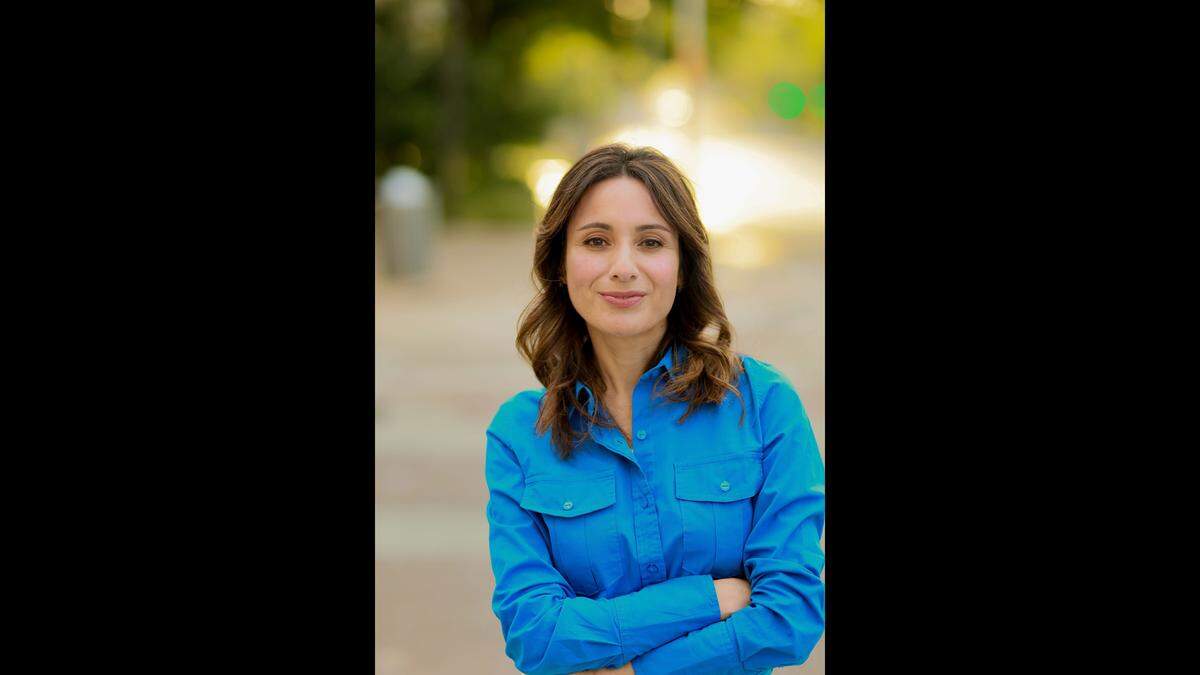
If Democrats yearn for a candidate who will go hard at Gov. Greg Abbott — and most do — their best option is Gina Hinojosa.
The state representative from Austin is running for governor as a fighter, stitching together a narrative of corruption and mismanagement under Republicans. We don’t agree with all of her ideas or conclusions, but Democrats should put her in the ring with Abbott, the three-term incumbent.
Her experience makes her well-qualified: five terms in the House and service as president of the Austin school district’s board of trustees. She’s positioned to make education the central issue of her campaign.
She offered some intriguing policy ideas in our interview with the leading candidates. Hinojosa, 52, proposed a scrubbing of the state budget, with priority on rooting out no-bid contracts and “grift” to find more money for public education. Promises to find waste, fraud and abuse are usually oversold, but it’s interesting that she’s emphasizing an approach on which she could find common ground with many fiscally conservative Republicans.
On health care, Hinojosa wants to create new pools for small businesses to provide more-affordable insurance. Unlike some Democrats, she does not lean too heavily on expanding Medicaid. That’s important, but it will not come close to solving the problems of rising premiums and worse coverage for most Texans.
We would have preferred a different answer from Hinojosa on school accountability. She’s right that testing — and instruction that prioritizes performance on standardized tests — are a significant concern. But Hinojosa essentially placed all blame for poor student achievement on the state and its mandates, absolving districts of responsibility. The reading and math crises in our schools are too complex to lay at the feel of just one actor.
She pledged to fire Education Commissioner Mike Morath and cancel his agency’s takeover of the Fort Worth school district. That’s music to the ears of many local Democrats, though perhaps not to others (including us) who see a school board that has come up short for decades.
On immigration, Hinojosa found some common cause with Abbott over H1-B visas for skilled workers, though from a different political perspective. She said that barring such immigration would bring companies to the table with a plan to invest in developing Texas’ workforce.
Hinojosa’s chief opponent, former congressman Chris Bell of Chapel Hill near Houston, is thoughtful on policy and has some bold ideas. He said public schools need an entirely new model, different from the current one developed for the industrial age. But he wasn’t specific on what that would look like or how he would sell the idea.
Bell, 66, a past candidate for governor and U.S. Senate, also takes Abbott to the woodshed, arguing that even many Republicans have tired of the governor. But Hinojosa has the fresher message to persuade voters to make a change.
Six other candidates are on the ballot, but few are mounting much of a campaign. The race will proceed to a May 26 runoff if no candidate wins more than half the vote in the first round.
Abbott faces 10 other Republicans in the primary, but none are a threat.
Early voting starts Feb. 17 and is available through Feb. 27. Election Day is March 3. The governor is elected to a four-year term.
About our campaign endorsements
BEHIND THE STORY
MOREHey, who is behind these endorsements?
Members of the Editorial Board, which serves as the Fort Worth Star-Telegram’s institutional voice, decide candidates and positions to recommend to voters. The members of the board are: Cynthia M. Allen, columnist; Steve Coffman, editor and president; Bud Kennedy, columnist; and Ryan J. Rusak, opinion editor.
Read more by clicking the arrow in the upper right.
How does the process work?
The Editorial Board interviews candidates, asking about positions on issues, experience and qualifications, and how they would approach holding the office for which they are running. Board members do additional research on candidates’ backgrounds and the issues at hand. After that, members discuss the candidates and generally aim to arrive at a consensus, though not necessarily unanimity. All members contribute observations and ideas, so the resulting editorials represent the board’s view, not a particular writer.
How do partisanship and ideology factor in?
We’re not tied to one party or the other, and our positions on issues range across the ideological spectrum. We tend to prefer candidates who align with our previously stated positions, but qualifications, temperament and experience are important, too.
This story was originally published February 14, 2026 at 4:35 AM.