
Star-Telegram endorsement: Who should be next Fort Worth mayor? | Opinion
For years, leaders across Fort Worth knew that the central city’s school district was struggling, unable to adequately teach reading and math and lacking a solid plan to fix it.
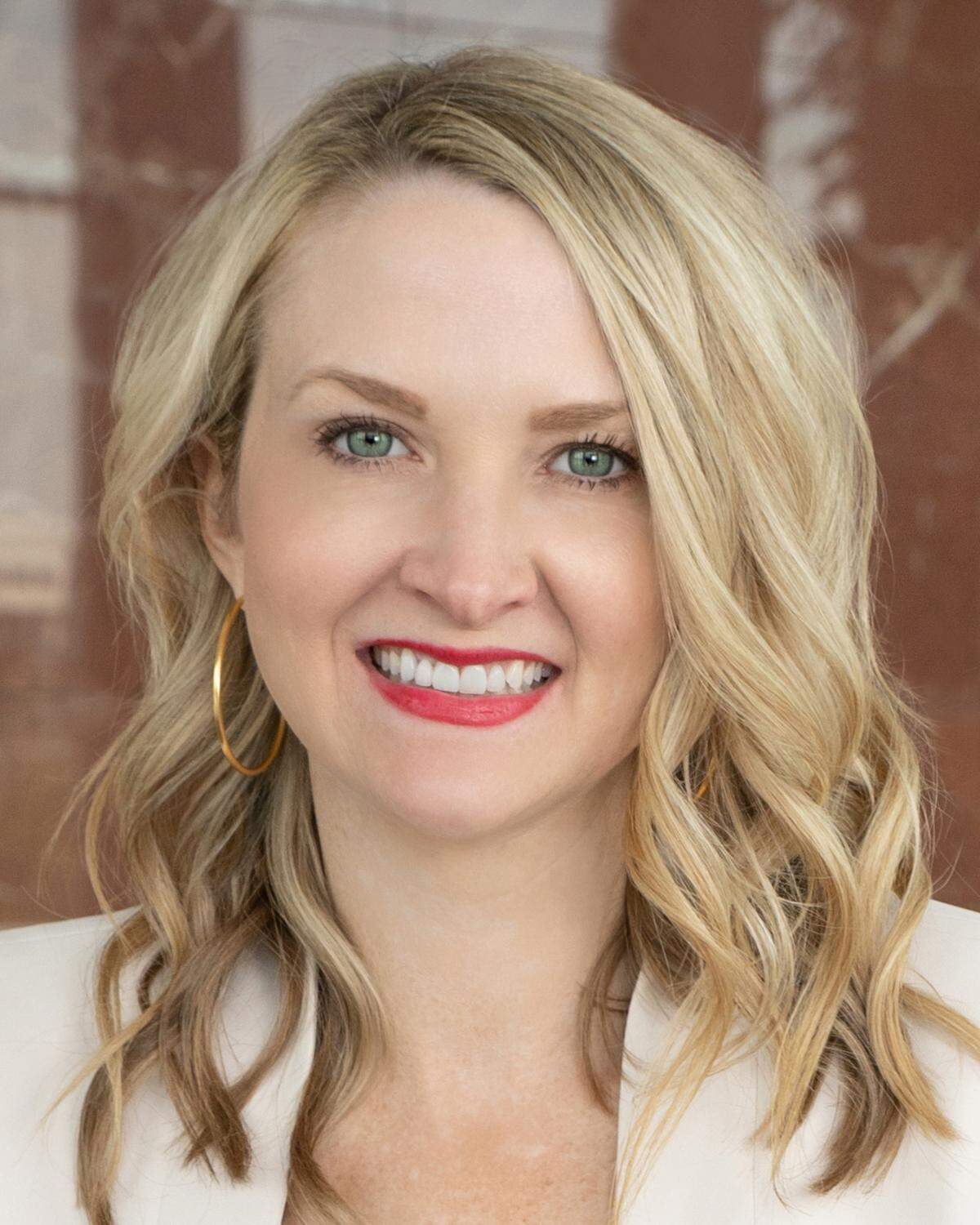
Enter Mattie Parker. The mayor rallied many of Fort Worth’s biggest names in politics, business and philanthropy to publicly confront the school board in 2024. She did it without any direct control over Fort Worth ISD or method of imposing consequences. She gave an honest assessment and a pitch to fix it without dividing the board or the community.
That kind of “soft power” influence is among a mayor’s most useful tools when a city manager runs government and enacting policy changes requires wrangling at least five other City Council votes. Parker has increasingly shown a deftness with it in her two terms, and voters should give her a third.
Parker’s second term could have brought turmoil. The city added two new council members on top of heavy recent turnover on the dais. Longtime City Manager David Cooke retired, triggering the most important direct decision the council can make. Fort Worth is looking for its fourth police chief in less than six years. Partisan or ideological politics have at times cast a shadow over the council.
Parker, a 41-year-old lawyer who lives in Ridglea North, has helped keep things steady. She avoids showy political fights and focuses on the challenges of a booming city. Just as importantly, she also seeks to maximize the opportunities of growth, such as spreading prosperity wider and addressing long-term problems, as with the schools.
There are times that we wish she brought a sharper edge. She’s been careful not to get directly involved in school board politics, and we wonder if meaningful change could have moved faster had someone with influence worked to elect better trustees or at least give voters more choices.
Parker is one of the few Republican mayors of a large U.S. city and the first millennial elected to the post. She’s right to keep it a nonpartisan post, but she could play a bigger role in confronting some of the far-right excesses that are growing in Tarrant County and Texas.
Parker realizes the limits of her position and where she can be most effective, which is a valuable trait. She’ll be a good salesperson for the city’s much-needed $800 million bond next year. And she’ll help keep a council that is younger and more diverse than ever on track.
Parker has drawn little meaningful opposition in her quest for a third term. Perhaps the most promising is Josh Lucas. The 33-year-old community ministries coordinator at Broadway Baptist Church is passionate about social justice issues. The problem is that he’s so obsessed with the actions of the Republican majority on the Tarrant County Commissioners Court that he sounds like a candidate for that post, not leadership of the city.
Lawrence Walker a 53-year-old owner of a landscaping business, and Chris Wood, 57, who owns a self-care business, were at least able to discuss municipal issues in our interviews with the candidates.
Then, there’s Donnell Ballard, 53, who made a name for himself as a young activist addressing the City Council. Jeremy F. Labelle, 40, and Millennium Anton C. Woods Jr., 25, are barely present as candidates. Alyson Kennedy, 74, is running as a Socialist Workers Party candidate.
Why are these candidates seeking to be mayor? Some couldn’t even tell us. Like Lucas, they seem focused on government issues at other levels, including federal.
But none of the challengers is a serious contender. Consider it more evidence of Parker’s success: No one with a legitimate political profile wants to take her on.
The mayor is elected citywide and serves a two-year term. Early voting is April 22-29; Election Day is May 3. If no candidate receives an outright majority, the top two finishers will advance to a runoff.
This story was originally published April 20, 2025 at 5:39 AM.