
FWISD kids can’t read and this is the best we can do for school board elections? | Opinion
The literacy crisis in Fort Worth schools has been center stage for nearly eight months. When Mayor Mattie Parker called out the school board and demanded that leaders and residents respond, we finally started to see action.
But the sad situation that leaves so many students without adequate reading skills was built over many years and will take a while to fix. While good first steps have been taken, the hardest part might be sustaining focus and voters’ attention.
That’s why this year’s Fort Worth school board elections are so frustrating. A majority of the nine seats is on the ballot, and that should have given the public a chance to opt for significant change. Instead, just three of the races are contested, and the challengers, while well-meaning and hard-working, don’t measure up to the incumbents.
Two trustees, Wallace Bridges in District 4 and Anael Luebanos in District 8, are returning to the board without facing opposition. Two-thirds of third-graders cannot read at the recommended level, and that wasn’t enough to spark anyone to run, let alone fuel an organized effort to remake the board.
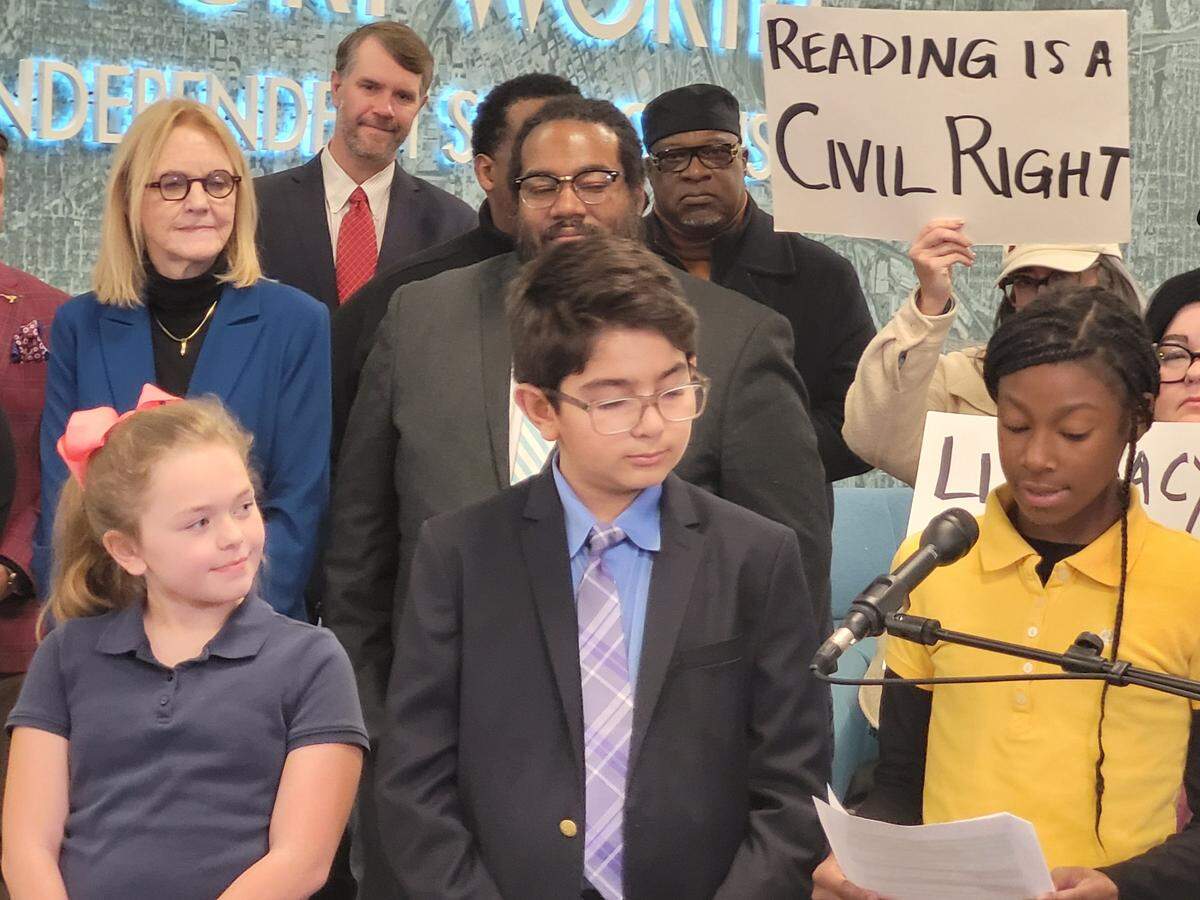
The voters’ options stink. We recommend that the three trustees be returned to the board, given their experience and the fact that they finally responded to the broken system in front of them.
But the lack of meaningful contests robs us all of the full debate we should be having about where FWISD goes from here.
It risks sending the message that the board can return to its lackadaisical oversight without facing political consequences.
And it implies that voters may lack the will to sustain the long effort that will be vital to securing Fort Worth’s economic future.
DISTRICT 1: AMANDA INAY VS. CAMILLE RODRIGUEZ ON NORTH SIDE
Rodriguez, who turns 57 soon, is seeking a second straight term on the board and a third overall, having been a trustee in 2004-2008. She’s been a long-time advocate for north side schools and was one of the earliest voices for a renewed focus on student achievement.
A podiatrist who lives in the North Side neighborhood, Rodriguez had a rocky tenure as board president. She was one of the last trustees to stand by Superintendent Angélica Ramsey, even as trustees sealed Ramsey’s fate by voting down the strategic plan she wrote for the district. Rodriguez says she was trying to avoid another large payment to a departing CEO — the district ending up paying Ramsey nearly $1 million on her way out.
Rodriguez says she’s fully behind Ramsey’s successor, Karen Molinar, whose strategic plan, focused heavily on literacy, has the board’s support. In our interview with the candidates, Rodriguez said the board needs to carefully monitor progress and consider what steps must come after the initial phase, in which Molinar shifted more staff to classroom work.
Challenger Amanda Inay is a teacher in a Fort Worth charter school who has also worked in the Fort Worth district, where she was named a teacher of the year in 2023. The 43-year-old Rosen Heights resident also applauds Molinar’s literacy push but questions the district’s handling of possible campus closures in District 1, saying options were presented to residents as a done deal.
Inay has solid ideas about how to support teachers who are trying to combat reading deficiencies, but the board needs solid oversight and governance, areas in which Rodriguez’s experience is superior. However, Rodriguez must be a more vocal leader who does more to challenge the status quo and holds the administration accountable for providing noticeable improvement in literacy.
District 1 includes the North Side High feeder pattern and Trimble Tech High.

DISTRICT 7: TERRY ROACH VS. MICHAEL RYAN IN SOUTHWEST FORT WORTH, BENBROOK
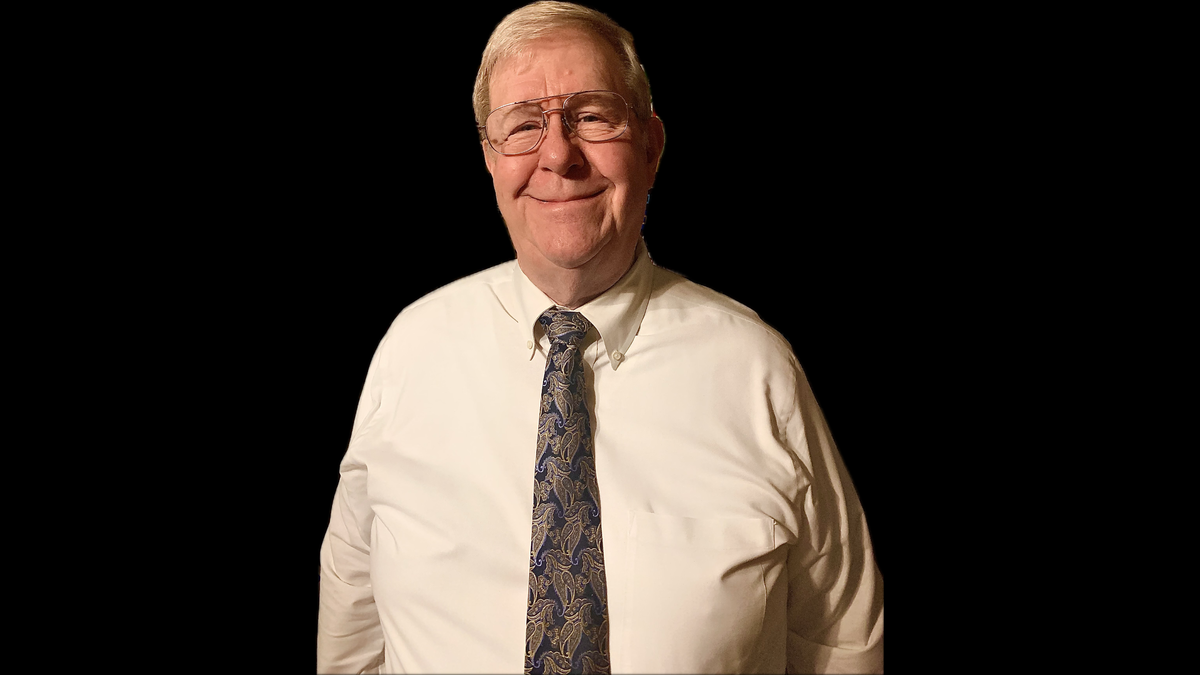
District 7 trustee Michael Ryan is an educator through and through. He has years of classroom and administrative experience in art and music programs and, though retired, continues to serve as a substitute teacher.
This district is unique because the Benbrook area is growing, an exception to the steady enrollment decline the Fort Worth district has seen for a decade. It also features the Western Hills High pyramid, which is home to some of the district’s most economically disadvantaged families. Serving such disparate needs requires a deft touch, but it also provides a microcosm of the district as a whole, giving Ryan perspective on the needs of students beyond his area. We hope he’ll step up as a more vibrant leader among the trustees in a second term.
Ryan, 74, who lives in southwest Fort Worth near Walnut Creek, told us that he agrees with the focus on literacy because it’s the key to achievement in other areas, too, including math. He supports Molinar’s plan but wants the district to protect arts and extracurricular activities that help some students stay in school.
His opponent is Terry Roach, 54, a Benbrook educator. He declined to attend our interview.
DISTRICT 9: ROBYNE KELLY VS. ROXANNE MARTINEZ
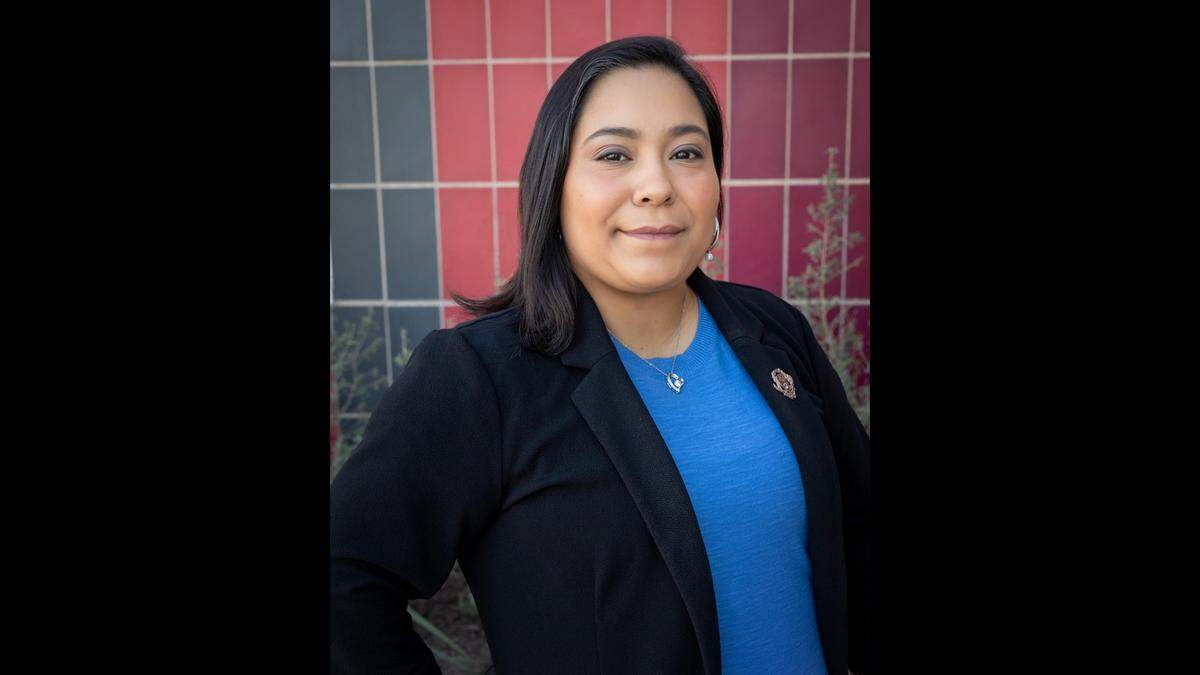
This sprawling district includes the Carter-Riverside and Diamond Hill-Jarvis pyramids. Trustee Roxanne Martinez, seeking her second term, is board president and has helped move her colleagues in the right direction. She understands that the district is in crisis, though at times the board could have taken smarter steps, such as when it essentially hired Molinar without searching for other candidates.
Martinez, a 44-year-old marketing consultant who lives in Diamond Hill-Jarvis, knows the board’s governance still has strides to make. Can she keep her colleagues focused and enforce accountability on the improvement plans, either through persuasion or toughness? And can she be bold enough to demand more from the administration without the prodding of the mayor? That’s what our children need.
Challenger Robyne Kelly is a vocal advocate for teachers and students and understands that literacy is the priority. But in our interview with the candidates, she lacked specific ideas of how to get the district where it needs to go. Kelly, 58, is a retired flight attendant who lives in Riverside.
Early voting begins April 22 and is available through April 29. Election Day is May 3. The winners earn three-year terms.
WITH SCHOOL CLOSURES, FWISD BOARD FACES TOUGH CHOICES
As the administration decides which schools to close or consolidate, it’s a crucial time for the board to be at its best. Trustees must balance their individual districts with the needs of the Fort Worth district as a whole.
Problems in the district date back years, and if these trustees are to manage the district out of this crisis, they must take a long-term focus and avoid political distractions or too much meddling with Molinar and her team.
Fort Worth needed better slates of candidates and more competitive races. Elections are a prime way to drive conversations about the future. And the responsibility lies beyond the board. The leaders who are determined to see the district pulled out of the doldrums seem reluctant to engage in the politics that might be necessary.
Here’s a prime example: A new political committee has formed to ensure literacy is a priority for school board candidates, to provide what Parker called a “stamp of approval.” But leaders of the group, Fort Worth Students First, said it wouldn’t be backing or opposing candidates.
How disappointing. What is the point of gathering an array of civic leaders — with plenty of money to spare — but not mustering the competition that should lead to a higher-performing school board?
We expect that turnout in this election will be uninspired, too, even with such high stakes. Thousands of young people’s individual futures are at stake. So is the economic vitality of Fort Worth, because an illiterate workforce doesn’t achieve prosperity or drive growth.
If more people don’t engage in the political process, distasteful or messy as it may be, someone will have to explain to those young people why the adults couldn’t be bothered to change what everybody acknowledged was a crisis.
BEHIND THE STORY
MOREHey, who is behind these endorsements?
Members of the Editorial Board, which serves as the Fort Worth Star-Telegram’s institutional voice, decide candidates and positions to recommend to voters. The members of the board are: Cynthia M. Allen, columnist; Steve Coffman, editor and president; Bradford William Davis, columnist and editorial writer; Bud Kennedy, columnist; and Ryan J. Rusak, opinion editor.
Read more by clicking the arrow in the upper right.
How does the process work?
The Editorial Board interviews candidates, asking about positions on issues, experience and qualifications, and how they would approach holding the office for which they are running. Board members do additional research on candidates’ backgrounds and the issues at hand. After that, members discuss the candidates and generally aim to arrive at a consensus, though not necessarily unanimity. All members contribute observations and ideas, so the resulting editorials represent the board’s view, not a particular writer.
How do partisanship and ideology factor in?
We’re not tied to one party or the other, and our positions on issues range across the ideological spectrum. We tend to prefer candidates who align with our previously stated positions, but qualifications, temperament and experience are important, too.
This story was originally published April 15, 2025 at 11:12 AM.