
Star-Telegram endorsement: City Council district where Stockyards driving change | Opinion
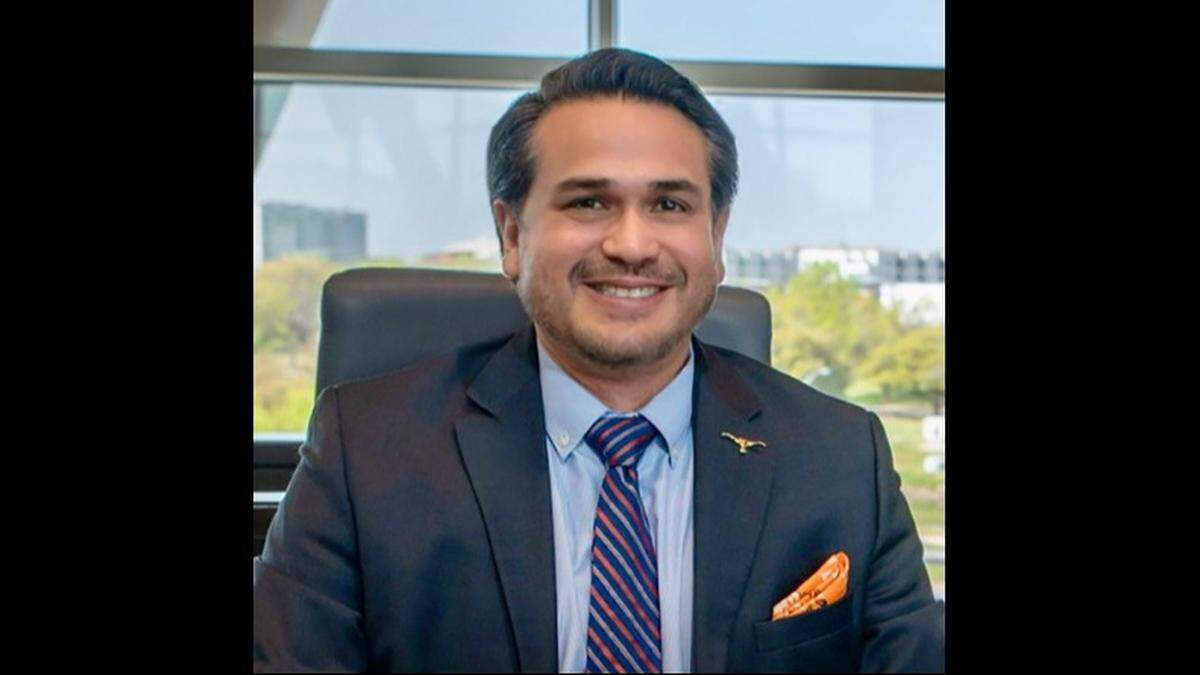
Carlos Flores is poised to become the most-tenured member of the City Council, with longtime member Gyna Bivens retiring. District 2 voters should give Flores the chance.
The North Side resident has become a city leader on several major issues. And he’s helping the North Side and other neighborhoods jarred by the development boom of the Stockyards with traffic and other issues.
Flores, in an interview with the Star-Telegram Editorial Board, offered thoughtful analysis of the city’s biggest challenges and opportunities ahead. The 56-year-old, whose career is in aerospace engineering, noted the city’s effort to reduce, or at least contain, property taxes through increased homestead exemptions. Despite that, he said, Fort Worth is well-positioned to weather a recession if one arrives. Flores compared it to when federal COVID money dried up and the city adjusted without cutting core services.
He praised new City Manager Jay Chapa for shuffling senior city staff to diversify the experience of assistant city managers. And he pushed for a transparent hiring process for the next police chief.
In District 2, a fairly compact area that includes Diamond Hill and stretches a few miles north of Loop 820, Flores said traffic, including improvements at key intersections, would be a key concern if he should win a fifth two-year term. He also noted the need for redevelopment inside the Loop.
Flores’ opponent, Joe Ponce, is a well-known North Side neighborhood advocate. He declined our invitation to interview, citing a slew of candidate forums, and said “y’all should go ahead and endorse” Flores.
We do.
Early voting is April 22-29, leading up to Election Day on May 3.
BEHIND THE STORY
MOREHey, who is behind these endorsements?
Members of the Editorial Board, which serves as the Fort Worth Star-Telegram’s institutional voice, decide candidates and positions to recommend to voters. The members of the board are: Cynthia M. Allen, columnist; Steve Coffman, editor and president; Bradford William Davis, columnist and editorial writer; Bud Kennedy, columnist; and Ryan J. Rusak, opinion editor.
Read more by clicking the arrow in the upper right.
How does the process work?
The Editorial Board interviews candidates, asking about positions on issues, experience and qualifications, and how they would approach holding the office for which they are running. Board members do additional research on candidates’ backgrounds and the issues at hand. After that, members discuss the candidates and generally aim to arrive at a consensus, though not necessarily unanimity. All members contribute observations and ideas, so the resulting editorials represent the board’s view, not a particular writer.
How do partisanship and ideology factor in?
We’re not tied to one party or the other, and our positions on issues range across the ideological spectrum. We tend to prefer candidates who align with our previously stated positions, but qualifications, temperament and experience are important, too.
This story was originally published April 19, 2025 at 5:20 AM.