
Who’s best fit for new Fort Worth ‘horseshoe’ council district? Here’s our recommendation | Opinion

Redistricting generally brought more-compact City Council districts to Fort Worth, with one notable, intentional exception: the new District 11.
The district is drawn to connect neighborhoods with common issues and bolster the possibility that Hispanic residents can elect a representative of their choice. It starts in Echo Heights in southeast Fort Worth, includes Meadowbrook and Riverside, then juts south to pick up Rosemont and Worth Heights.
It’s called a “horseshoe” design, but any horse with a shoe as thin as the wisp of territory used to connect these neighborhoods is going to stumble. The council member elected here will need to be able to juggle communities and constituencies that have felt neglected by the city for decades. Several of the five candidates are worthy, but we recommend Jeanette Martinez as the best option.
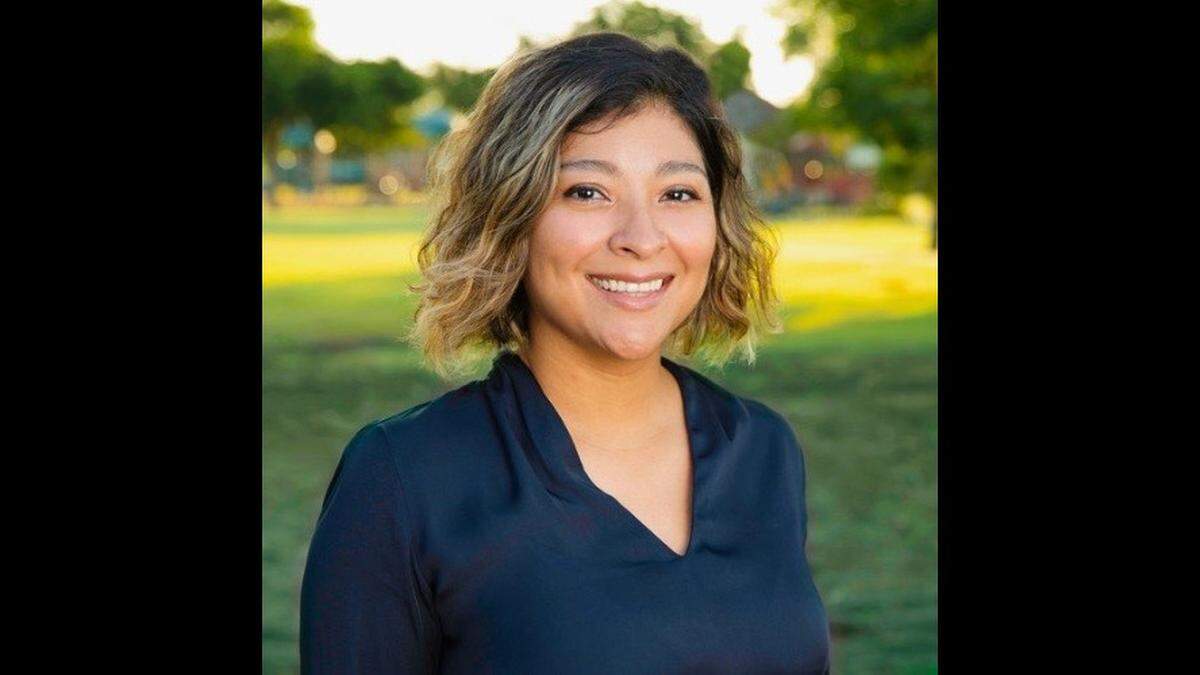
Martinez, who turns 40 next week, is an administrator for County Commissioner Roy Charles Brooks. That experience gives her extra insight into the area’s needs and a leg up in getting things done in government — and the very attention that residents crave from City Hall. Navigating the world of intergovernmental relations and grant applications might not be top of mind for voters, but they are vital skills for getting resources into the District.
Martinez, a Rosemont resident, is bilingual and a first-generation child of immigrants, important factors for someone carrying the mantle for so many Hispanic voters. She said in our interview with the candidates that she wants to focus on housing and mental health needs, along with improving police relations through better connections between residents and neighborhood officers.
Rick Herring, 58, who works as a financial planning consultant, has a long record of service to his Riverside neighborhood. His knowledge of city and police issues is strong, and he argues that it will help him serve all the district’s constituents, Hispanic or not. He would be a good advocate but cannot match Martinez’s experience across the broader district.
Tara Maldonado Wilson, a 38-year-old emergency room nurse, is a vocal advocate for civil rights and police oversight. The east Meadowbrook resident is a veteran of a previous council run and knows the district and issues facing the city well. We’re concerned her combative style would make it hard for her to work effectively on the council and with city government.
Two more previous council candidates are also on the ballot for the new District 11. Ricardo Avitia is known for his work to stop gentrification in his Hemphill neighborhood. Christopher Johnson ran unsuccessfully two years ago in District 8. Neither responded to our interview requests.
With five candidates, the race may come down to a runoff between the top two finishers. Early voting begins April 24 and ends May 2. Election Day is May 6. Council members serve two-year terms and are paid $25,000 a year.
BEHIND THE STORY
MOREHey, who is behind these endorsements?
Members of the Editorial Board, which serves as the Fort Worth Star-Telegram’s institutional voice, decide candidates and positions to recommend to voters. The members of the board are: Cynthia M. Allen, columnist; Steve Coffman, editor and president; Bud Kennedy, columnist; Ryan J. Rusak, opinion editor; and Nicole Russell, opinion writer.
Members of our Community Advisory Board may also participate in candidate interviews and offer their views, but they do not vote on which candidate to recommend.
Read more by clicking the arrow in the upper right.
How does the process work?
The Editorial Board interviews candidates, asking about positions on issues, experience and qualifications, and how they would approach holding the office for which they are running. Board members do additional research on candidates’ backgrounds and the issues at hand. After that, members discuss the candidates and generally aim to arrive at a consensus, though not necessarily unanimity. All members contribute observations and ideas, so the resulting editorials represent the board’s view, not a particular writer.
How do partisanship and ideology factor in?
We’re not tied to one party or the other, and our positions on issues range across the ideological spectrum. We tend to prefer candidates who align with our previously stated positions, but qualifications, temperament and experience are important, too.