
Ugly extremism drove GOP runoff races — and voters bear some blame | Opinion
Politicos sometimes like to say that the voters are never wrong. That can be read as a robust endorsement of democracy, despite its flaws, or a way to deflect blame when a campaign doesn’t go your way.
The May 26 Texas primary runoffs proved the limits of the maxim. Republican voters, the base of the party that controls the Texas political universe, made bad choice after bad choice. It’s more than merely nominating poor candidates. It was inevitable that GOP voters would overlook Ken Paxton’s corruption in favor of his reputation as a fighter for President Donald Trump’s MAGA agenda.
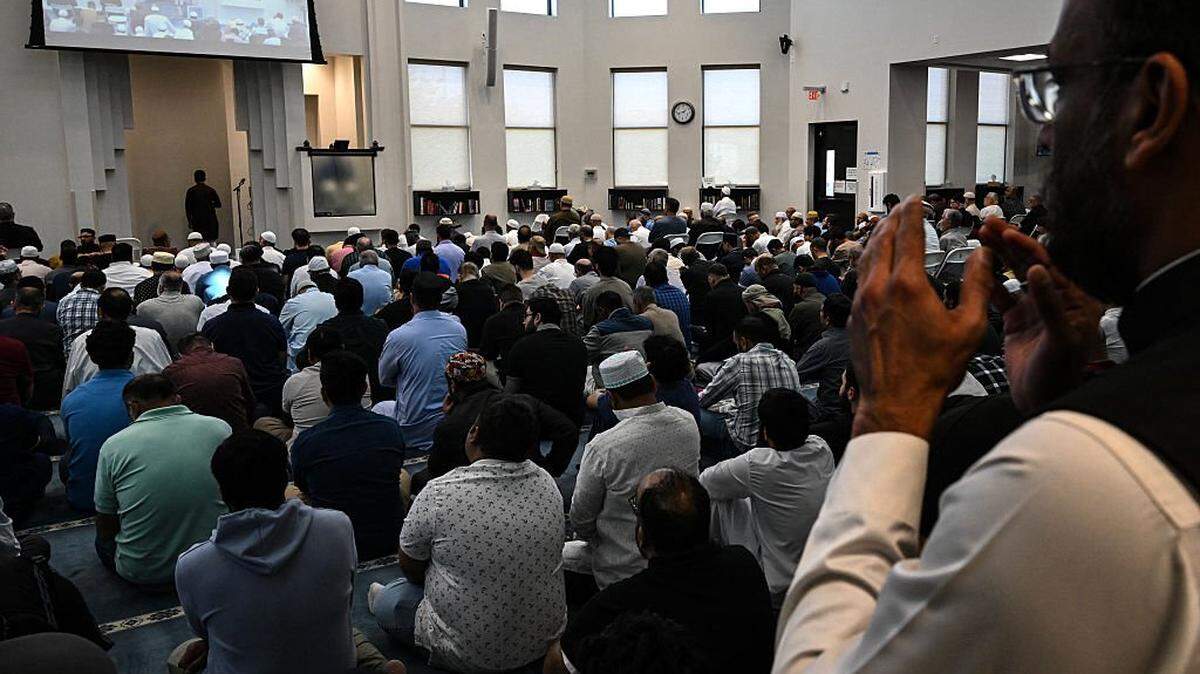
No, the bigger problem is that at every turn, Republicans chose — demanded, even — hatred and xenophobia. Candidates tripped over themselves to prove who could be meaner to Muslims. Voters seemed to think little about what’s actually required to be, say, attorney general or railroad commissioner, responding instead to predictable prods about Islam or transgenderism.
We watched late into the night Tuesday hoping that the worst of the bunch, Tarrant County’s own Bo French, would fall short in his bid for the state’s oil and gas agency. Nearly every statewide elected Republican — savvy politicians who understand the danger of French’s brand of nastiness on the statewide ticket — backed his opponent, incumbent Jim Wright. But French appealed to voters’ worst instincts, bragged about his ability to shift the conversation to nativism, and squeaked out a win.
No one should naively expect genteel or wonky campaigns, especially in the social-media age. But a new low has arrived, and candidates and voters share the blame. Republican officials have been blaring about “Islamification” for a couple of years, even with no evidence of an imminent takeover or even a serious attempt by a tiny minority of the population.
GOP voters — and again, we’re talking about the relatively tiny portion that shows up for primary runoffs — have become like a horror movie audience, needing every sequel to offer up more gore and blood.
“Everywhere I stop — it can be a rural community, it can be in downtown Dallas — people are very concerned about Islam,” attorney general hopeful Chip Roy told radio host Mark Davis a couple of weeks ago. “It is the Number One issue that comes up in every stop.”
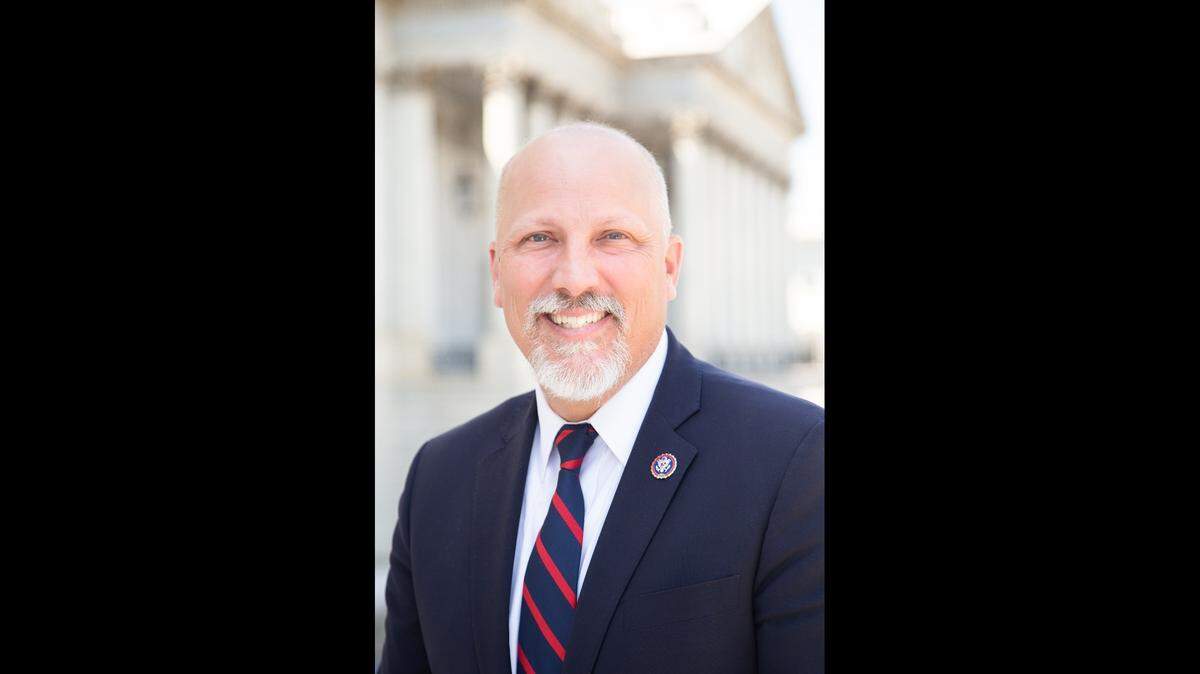
It’s a chicken-and-egg question: Did voters demand this approach, or did campaigns quickly learn that it was effective to bring it up?
We take Roy, a veteran congressman, at his word when he talks about what voters were telling him. He was more than eager to use the issue, though. He lost to state Sen. Mayes Middleton, who said less about Muslims but found a different group to pick on as he preposterously told voters that Roy helped lead a sweeping agenda to turn Texas children transgender.
Many postulate that GOP voters and candidates alike landed on Muslims — who make up about 2% of the population — when Trump’s border lockdown and increased deportations made illegal immigration less of an imminent threat. There’s just enough real concern about Islamic extremism in Western Europe for American politicians and voters to grab hold of the issue and set up a new scapegoat.
Meanwhile, how much did you hear in this campaign about job creation? Who talked about improving our dismal public schools? Reducing the cost of health care? Making college more affordable? Sensibly regulating AI without losing the digital arms race to China?
Ugliness in general is part of the admission price for Republican politics these days. It’s a quick way to communicate to primary voters that you are the “fighter” they seek. Many GOP hopefuls, having seen it work for Trump, are trying to emulate him. But it’s like watching the neighbor kid in his driveway trying to re-create something he saw an NBA star do — there’s a total lack of finesse and humor.
In the case of Islam, it even overrides long-held principles. When Gov. Greg Abbott, Attorney General Ken Paxton and other officeholders wanted to snuff out a proposed Islamic community in Collin County, they pulled every lever of state power they could reach. We’ve cited this example before, but it still boggles the mind: Abbott, who is no environmentalist, directed the Texas Council on Environmental Quality to make sure that every regulation was enforced, that every line on every permit application was in order.
The folks who lament red tape stymying economic growth bought Costco-sized cases of it to halt the development first known as EPIC City. Limited government? Pro-development? Not when those people are behind the project.
Much of this may fade as Republicans face the prospect of a larger electorate this fall with broader concerns, such as the price of gas and groceries, war in the Middle East and the specter of AI and data centers. But the rubber band snaps back only so far. Scapegoating follows the same form as the unending search for vast voter-fraud conspiracies that shift election results: Once a leader promises to root something out, when it’s not found, the only solution is to promise to dig even harder once re-elected.
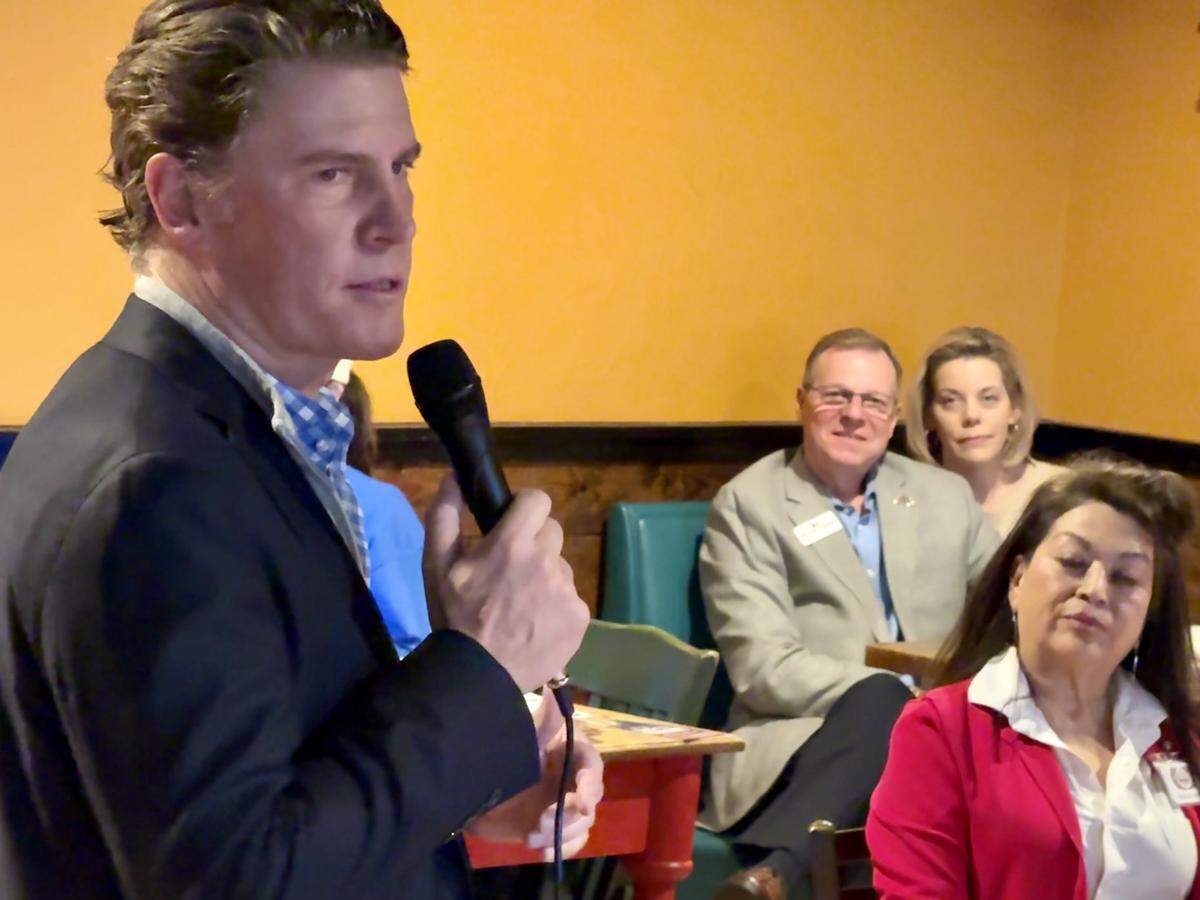
French was right about one thing — in the process, the window of what’s acceptable or plausible shifts. We don’t think the country is anywhere near deporting 100 million people, as French has advocated. But French would doubtlessly be happy if more nonwhite people kept their heads down in the face of more scrutiny and suspicion.
There are two possible solutions to this unfortunate cycle. First, Republicans who do not condone this extremism, even if they want tough immigration policy, must speak up. They must vote in primaries. They must support candidates who campaign on real issues that matter to families and the actual responsibilities they seek to take on.
Otherwise, it will take Democratic victories borne of Republicans’ failure to focus on bread and butter issues. The Democratic brand is probably too tainted by that party’s extremism for Texans to give them a shot at real power. But if Republicans stay on their current path, they’re bound to open the door for their opponents sooner than they think.
BEHIND THE STORY
MOREHey, who writes these editorials?
Editorials are the positions of the Editorial Board, which serves as the Fort Worth Star-Telegram’s institutional voice. The members of the board are: Cynthia M. Allen, columnist; Steve Coffman, editor and president; Bud Kennedy, columnist; and Ryan J. Rusak, opinion editor. Most editorials are written by Rusak. Editorials are unsigned because they represent the board’s consensus positions, not necessarily the views of individual writers.
Read more by clicking the arrow in the upper right.
How are topics and positions chosen?
The Editorial Board meets regularly to discuss issues in the news and what points should be made in editorials. We strive to build a consensus to produce the strongest editorials possible, but when we differ, we put matters to a vote.
The board aims to be consistent with stances it has taken in the past but usually engages in a fresh discussion based on new developments and different perspectives.
We focus on local and state news, though we will also weigh in on national issues with an eye toward their impact on Texas or the Dallas-Fort Worth area.
How are these different from news articles or signed columns?
News reporters strive to keep their opinions out of what they write. They have no input on the Editorial Board’s stances. The board consults their reporting and expertise but does its own research for editorials.
Signed columns by writers such as Allen, Kennedy and Rusak contain the writer’s personal opinions.
How can I respond to an editorial, suggest a topic or ask a question?
We invite readers to write letters to be considered for publication. The preferred method is an email to letters@star-telegram.com. To suggest a topic or ask a question, please email Rusak directly at rrusak@star-telegram.com.