
America must step back from brink on immigration. It starts with Trump | Opinion
AI-generated summary reviewed by our newsroom.
- Trump administration must shift enforcement to prioritize criminals and final orders.
- Federal policy and tone should de-escalate to restore credibility for ICE operations.
- State and local leaders must cooperate with enforcement while protecting protest rights.
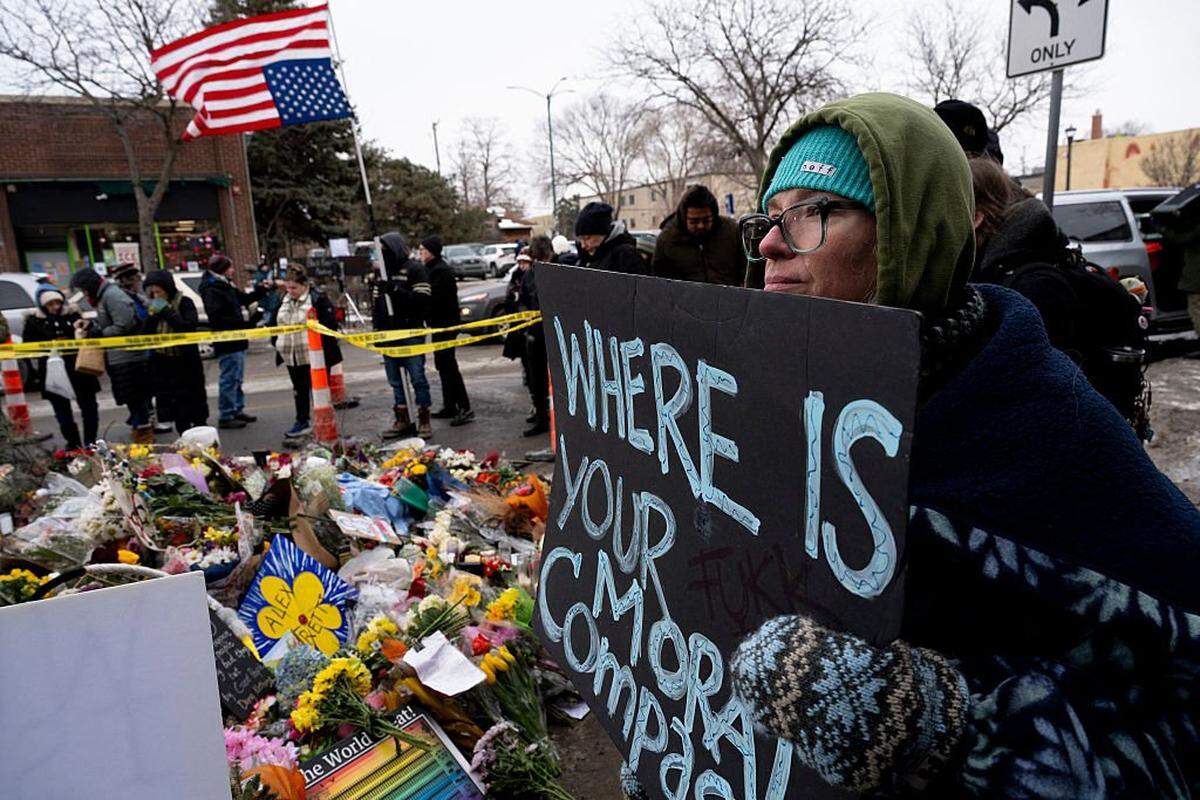
In the days since the senseless killing of a Minnesota man by a Border Patrol agent, it appears that many combatants in the battle over immigration have taken a half-step back.
Much more conciliation and cooperation is needed. And it must be organized around a simple principle: No one should die during the enforcement of immigration law or protests of it.
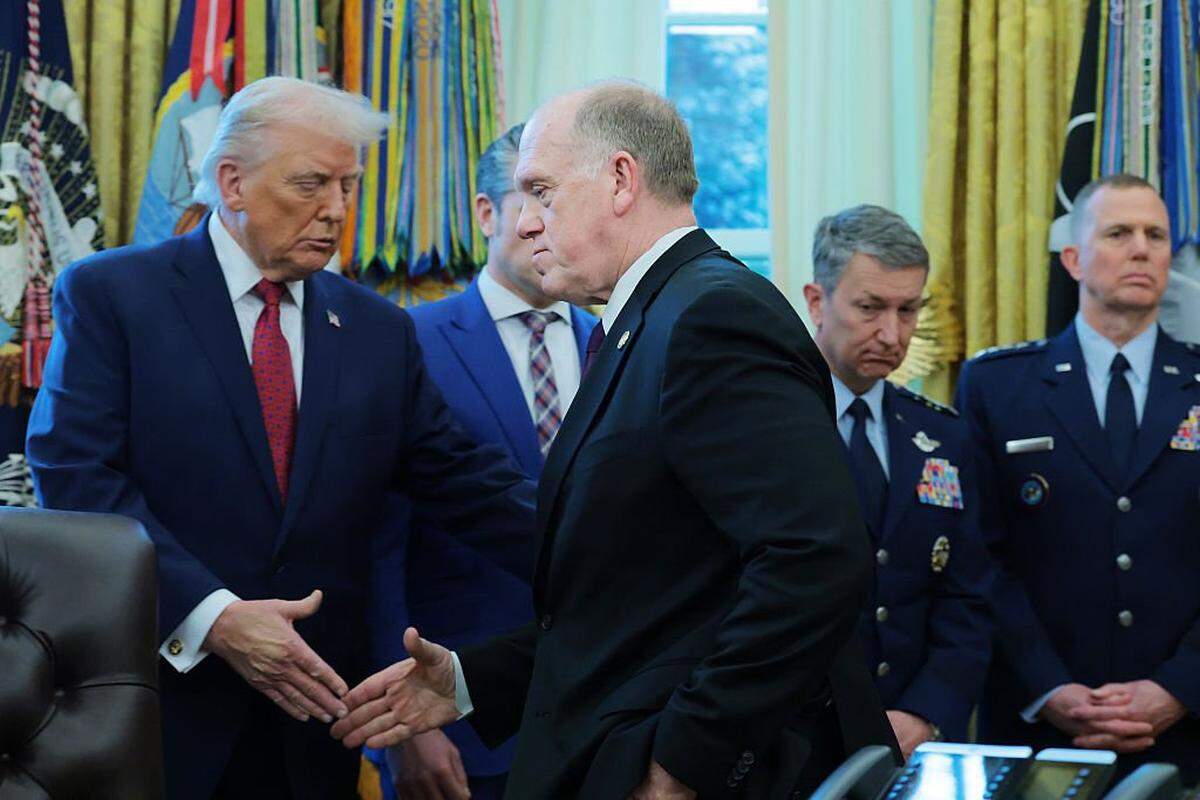
President Donald Trump reportedly recognized the black eye that ultra-aggressive tactics in Minnesota gave his administration. He removed the on-the-ground commander and sent White House border czar Tom Homan to the state. Homan is no dove, but he is not a wrecking ball in the vein of Homeland Security Secretary Kristi Noem, whose disgraceful reaction to the death of Alex Pretti should disqualify her from further public service.
Everyone involved can do something to de-escalate the situation. The biggest burden, though, lies with Trump and his administration. Better communication is important, but the mission, strategy and tactics must change, too.
The administration decided to focus on the quantity of deportations rather than to sensibly prioritize who must go. It created an atmosphere of aggression and randomness designed to discourage further migration and even drive some recent arrivals to leave the U.S.
The better plan would have been relentless attention to dangerous criminals and those whose legal options have been exhausted and face a final, unappealable deportation order. The cost has been steep: Americans are increasingly skeptical of the government’s approach, and some are turning on the law enforcement officials executing the plan.
To reduce confrontations and efforts to impede ICE, its operations must have more credibility. For officers to get the benefit of the doubt and respect for their mission, they must earn it.
For one thing, they cannot seem unchained by rules of engagement or gleeful of the terror they inspire. They cannot appear sadistic or vindictive, with a hair trigger to confrontation and violence. Far too many ICE agents fit those descriptions.
White House should listen to Texans such as Abbott, Cruz
Trump should listen to Texas Republicans who have learned to be tough on the border and protective of law enforcement without alienating voters who sympathize with immigrants even if they want illegal entry and residence curtailed.
Gov. Greg Abbott, a staunch immigration hawk and Trump defender, carefully but firmly sent this message after Pretti was shot. The White House, he said, should “recalibrate on what needs to be done to make sure that that respect is going to be reinstilled.”
He predicted a “different direction to ensure that they get back to what they wanted to do to begin with, and that is to remove people from the country who are here illegally who were allowed in by Joe Biden, especially those who pose the most danger.”
Abbott, in an interview Monday with KSKY-AM talk host Mark Davis (a Star-Telegram opinion contributor), added that agents should “go about their job in a more structured way to make sure that they are going to be able to remove these people without causing all the kinds of problems and fighting in communities that they are experiencing right now.”
Sen. Ted Cruz had similar advice, observing that “escalating the rhetoric doesn’t help, and it actually loses credibility. And so I would encourage the administration to be more measured, to recognize the tragedy and to say, ‘We don’t want anyone’s lives to be lost, and the politicians who are pouring gasoline onto this fire, they need to stop.’ ”
Translation: Less Kristi Noem and Stephen Miller, the architect of the worst features of Trump’s immigration policy, more Tom Homan.
Not every protester is a potential domestic terrorist or out to disrupt an operation. To maintain the credibility of governance, start by recognizing the fundamental American rights of speech and assembly.
Local officials, telling ICE to get out isn’t realistic
There are steps for the administration’s opponents to take, too. Politicians such as Minnesota Gov. Tim Walz must acknowledge that immigration enforcement is a legitimate, necessary federal function. The country is ill-served by policies that allow millions to enter and stay with little or no vetting and cases that drag on for years.
It is not reasonable or practical for these officials to demand that immigration enforcement stop in their jurisdictions. Federal law is supreme on the matter. They should look at places such as Texas, where there is much more action with much less confrontation, and ask why that is.
Individuals are responsible for whether they let protest become disruption. But rhetoric from leaders that encourages extraordinary response will contribute to dangerous behavior. Instead, they should reinforce the idea that our country solves such disputes peacefully, through trusted institutions.
The moments when those systems don’t seem up to the task are the ones that require the most faith. If we abandon them now, we contribute to the decline that so many want to prevent.
On a practical level, states and communities should cooperate more with immigration enforcement. That doesn’t mean police officers should check citizenship papers or make federal immigration arrests. Law-and-order is a local task, and police should at a minimum secure the scene near federal immigration operations for the safety of the local residents they serve.
Fixing this starts in Washington, with an administration that sets the right priorities and the right tone. Without that, everyone will remain in their respective corners.
All leaders have a role to play in preventing the next Alex Pretti tragedy. Too many seem to think their highest task is to own the other side. If the president and his homeland security officials indulge their inner partisan trolls, governors and mayors will clearly follow suit.
BEHIND THE STORY
MOREHey, who writes these editorials?
Editorials are the positions of the Editorial Board, which serves as the Fort Worth Star-Telegram’s institutional voice. The members of the board are: Cynthia M. Allen, columnist; Steve Coffman, editor and president; Bud Kennedy, columnist; and Ryan J. Rusak, opinion editor. Most editorials are written by Rusak. Editorials are unsigned because they represent the board’s consensus positions, not necessarily the views of individual writers.
Read more by clicking the arrow in the upper right.
How are topics and positions chosen?
The Editorial Board meets regularly to discuss issues in the news and what points should be made in editorials. We strive to build a consensus to produce the strongest editorials possible, but when we differ, we put matters to a vote.
The board aims to be consistent with stances it has taken in the past but usually engages in a fresh discussion based on new developments and different perspectives.
We focus on local and state news, though we will also weigh in on national issues with an eye toward their impact on Texas or the Dallas-Fort Worth area.
How are these different from news articles or signed columns?
News reporters strive to keep their opinions out of what they write. They have no input on the Editorial Board’s stances. The board consults their reporting and expertise but does its own research for editorials.
Signed columns by writers such as Allen, Kennedy and Rusak contain the writer’s personal opinions.
How can I respond to an editorial, suggest a topic or ask a question?
We invite readers to write letters to be considered for publication. The preferred method is an email to letters@star-telegram.com. To suggest a topic or ask a question, please email Rusak directly at rrusak@star-telegram.com.