
Trump sending National Guard to fight crime in Texas cities? Hard pass | Opinion
AI-generated summary reviewed by our newsroom.
- Trump floated deploying National Guard to cities, sparking legal concerns.
- Fort Worth invests locally in crime prevention, and Texas resists federal intervention.
- Federal overreach alarms Texans who value state and local government authority.
Texas cities, especially Fort Worth, seem unlikely to be targets for President Donald Trump’s insistence on using the National Guard as an added police force.
But no one can say for sure, because Trump has brought us to uncharted territory. He started with deployments in California, where Trump took over the state’s National Guard and deployed thousands of troops in response to immigration protests in Los Angeles.
Then it was Washington, D.C., as a show of force against street crime. And while it was troubling to many to see military forces patrolling an American city, the president and Congress have legal authority over the federal capital.
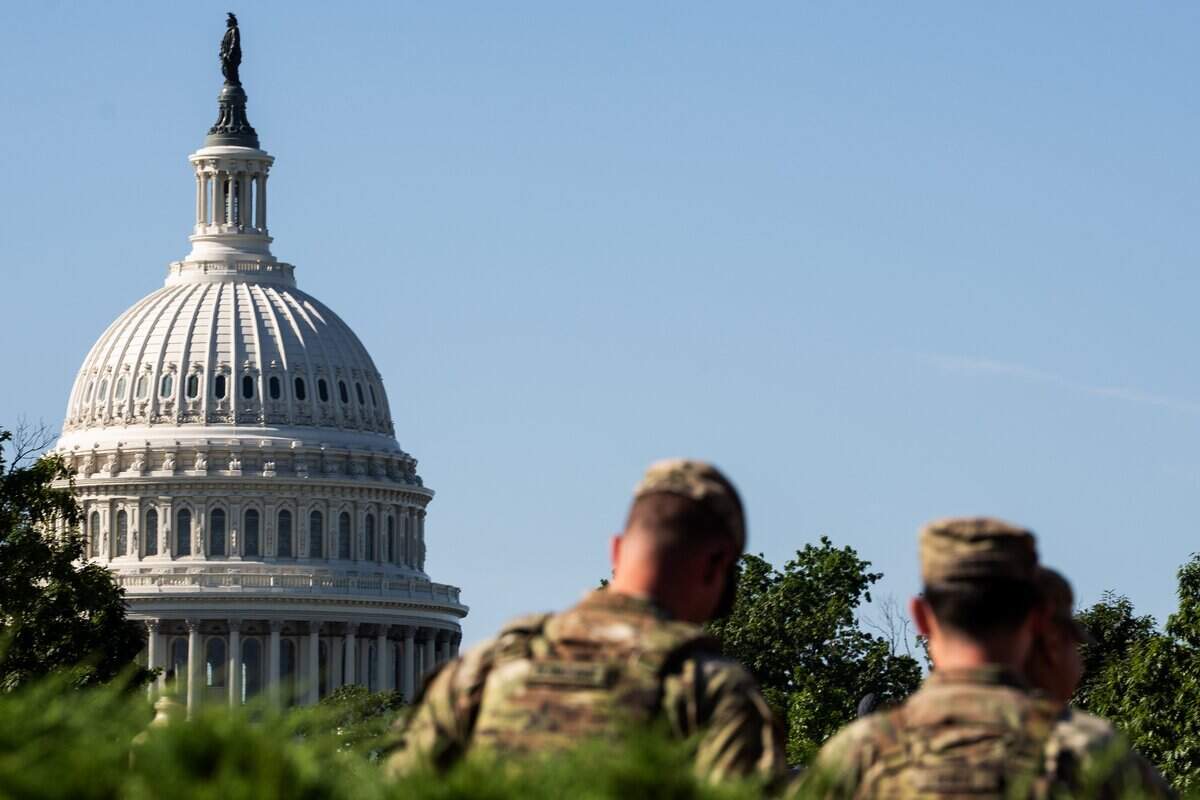
But Chicago? San Francisco? Baltimore? The legal justification for putting troops there, as Trump has mused about, is exceedingly thin. What would keep Austin, Houston or Dallas, blue cities all, from the same fate, other than a desire to avoid tainting the Republicans who run state government?
Add to the list other recent Trump policies or musings — investigating tens of millions of visaholders, seeking to cancel use of mail-in ballots and voting machines, taking shares of American companies when they strike deals — and concerns about an all-encompassing federal government under his direction seem less farfetched.
We do not trend toward Trump alarmism. We decry his lies and insults, along with many of his policies. But we have generally found that it’s best to pay more attention to what he does rather than what he says — and to remember that he’s not exactly known for his follow-through and attention to detail.
His attitude toward inserting the federal government into local officials’ business, corporate affairs and every cultural and economic issue that enters his view, however, appears that much more dangerous if he’s willing to try to enforce his will through the National Guard.
Federalism means states, cities should be ones to address crime
Whatever happened to federalism? The genius of allowing states, counties and cities to set priorities and address their problems aligns most closely with the consent of the governed.
In Fort Worth, voters have chosen to aggressively fund crime prevention. In addition to the standard police budget, the city collects a half-cent sales tax dedicated to safety and security. One could argue (and we have) that other priorities are choked off as a result, but the record is clear: The city has never come close to the bad old days of high crime levels seen in the late 1980s. Voters have ratified this choice time and again; imagine if a Democratic administration tried, for some reason, to tell them they were wrong and had to forcibly change.
Then, there are practical concerns about having Guardsmen deployed. We do not impugn the troops steadiness, bravery or capability. But what are the rules of engagement? Will they carry weapons, and in what circumstances would they use them? Are they empowered to make arrests and chase thieves, or is their presence more symbolic? How long would they stay, and how would we judge their effectiveness?
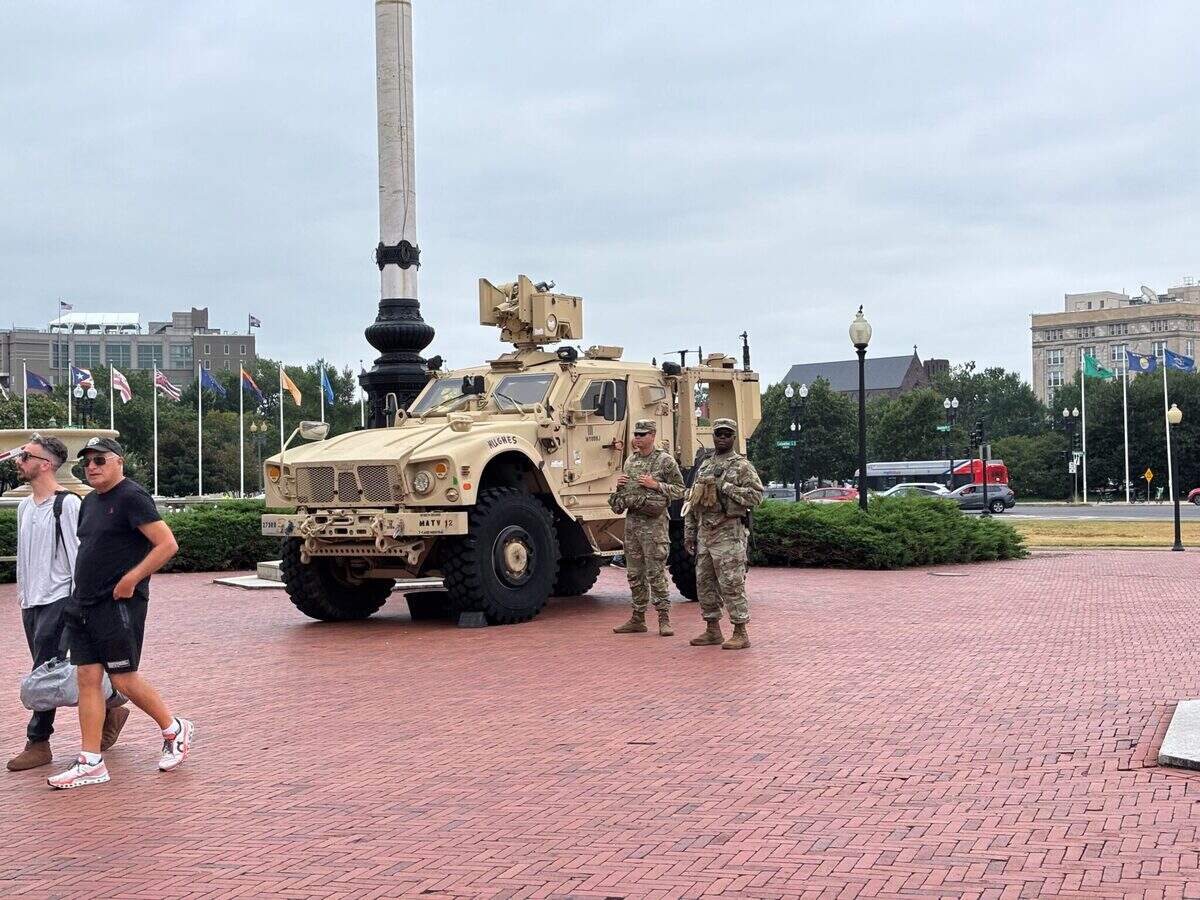
The debate over troops in Washington has centered on the need. Statistics have been deployed to show that the city’s safety is improving, while others argue that crime is still much too high and that the numbers may have been fudged.
You cannot talk people out of the idea that there’s too much crime, especially if your argument boils down to: Hey, it could be worse. New York is not nearly as dangerous as many Americans think, but spectacular instances of random attacks in the subway system create fear that statistics cannot assuage.
Some Democratic local leaders have also spent years deemphasizing policing and reducing prosecutions. It’s practically an invitation to career criminals to embolden their strategies.
If the danger of crime, or the perception of it, reaches a certain threshold, more Americans, even in staunchly blue cities and states, become open to more aggressive policing. They see the president responding to a need and don’t get hung up on the legal issues.
Texas always watches out when federal control increases
They should, however, consider the slippery slope. It’s doubtful that Trump is masterminding the creation of a paramilitary force that will enable him to cancel elections and create a dictatorship. Again, if only because that would require a level of focus and planning that he has yet to demonstrate.
But vigilance over government overreach is as Texan as pecan pie, and we would rightly recoil at these tactics in our cities. Many Republican leaders will stand with Trump under just about any circumstances, but they’ve also spent years cultivating Texans’ suspicion of an assertive federal government.
Consider that just a decade ago, when the U.S. military was conducting a multistate training exercise known as Jade Helm, many conspiracy theorists saw it as the first steps by the Obama administration to lay the groundwork for a federal takeover. Gov. Greg Abbott asked the State Guard to monitor the exercises, which he knew perfectly well were harmless.
It’s exasperating that principles are increasingly tied to which party controls the White House. If Abbott and other leaders were caught between Trump and Texas’ independence streak, the contortions would make circus acrobats jealous.
It’s better that Trump just leaves the Guard at home.
BEHIND THE STORY
MOREHey, who writes these editorials?
Editorials are the positions of the Editorial Board, which serves as the Fort Worth Star-Telegram’s institutional voice. The members of the board are: Cynthia M. Allen, columnist; Steve Coffman, editor and president; Bradford William Davis, columnist and editorial writer; Bud Kennedy, columnist; and Ryan J. Rusak, opinion editor. Most editorials are written by Rusak or Davis. Editorials are unsigned because they represent the board’s consensus positions, not necessarily the views of individual writers.
Read more by clicking the arrow in the upper right.
How are topics and positions chosen?
The Editorial Board meets regularly to discuss issues in the news and what points should be made in editorials. We strive to build a consensus to produce the strongest editorials possible, but when we differ, we put matters to a vote.
The board aims to be consistent with stances it has taken in the past but usually engages in a fresh discussion based on new developments and different perspectives.
We focus on local and state news, though we will also weigh in on national issues with an eye toward their impact on Texas or the Dallas-Fort Worth area.
How are these different from news articles or signed columns?
News reporters strive to keep their opinions out of what they write. They have no input on the Editorial Board’s stances. The board consults their reporting and expertise but does its own research for editorials.
Signed columns by writers such as Allen, Kennedy and Rusak contain the writer’s personal opinions.
How can I respond to an editorial, suggest a topic or ask a question?
We invite readers to write letters to be considered for publication. The preferred method is an email to letters@star-telegram.com. To suggest a topic or ask a question, please email Rusak directly at rrusak@star-telegram.com.