
Tarrant judge’s hardball on voting sites backfired. Now, can we fix the real problems? | Opinion
The battle over early voting locations in Tarrant County is a window into how government should work — and how it shouldn’t.
Deciding where to place polling sites is a matter best left to election professionals, based on data about voting and population patterns, community needs and factors such as available locations, transportation, parking and cost.
County commissioners oversee elections, but they need not micromanage them. If they have concerns about their precincts, they should raise them. Instead, what we’ve seen for weeks is the spectacle of commissioners debating individual sites all over the county, with politics a driving factor.
Worse, though, was the attempt to ram through a significant change while the two Democratic commissioners were out of town Thursday for a long-planned trip. County Judge Tim O’Hare insisted he was not aware they would be absent when he requested the special meeting, but he could have postponed it once he found out.
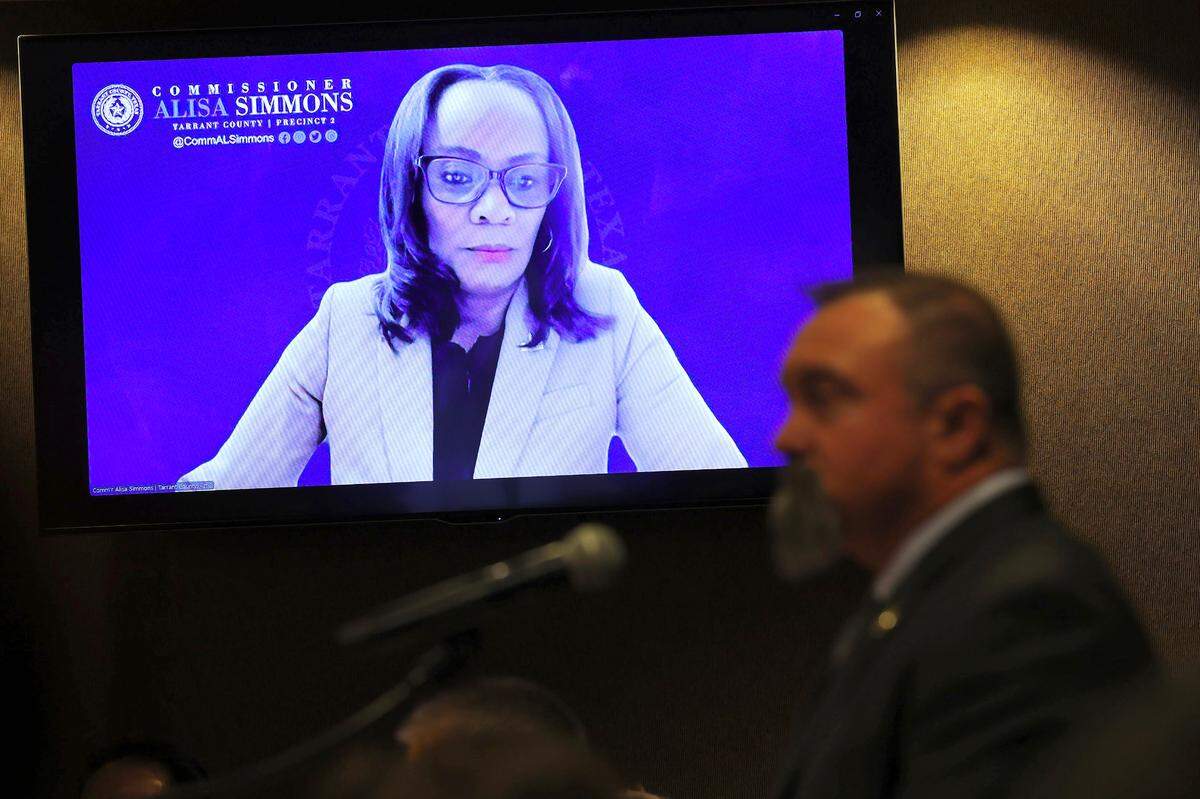
It’s the kind of hardball that we’ve come to expect from O’Hare, needless confrontation in an era of political one-upmanship. And yet, commissioners ultimately handed O’Hare a lopsided loss. The Southlake Republican was the only vote against the slate of early voting sites originally presented by Elections Administrator Clint Ludwig. Democrats Roy Brooks of Fort Worth and Alissa Simmons of Arlington participated by video.
Whether the treatment of the Democratic commissioners who represent half the county was a factor, we can’t say. But let it stand as a blow for fair play and cooperation on an increasingly divided Commissioners Court.
The main flashpoint of the debate over early voting sites, as so often happens with the most divisive partisan issues, was overblown. Democrats and Republicans alike went to the mats over whether to have a polling place at the University of Texas at Arlington and several Tarrant County College campuses.
We’re glad the college sites were maintained. There’s no harm in making voting easier for populations with transportation issues, including older, poorer residents who have used the TCC sites. But with two weeks of early voting at 50 sites, absentee ballots available for many and hundreds of polling places open on Election Day, it’s not voter suppression to move a few locations.
Some Republicans seem to think that when it comes to voting, though, convenience is the opposite of security. It’s as if they see virtue in standing in long lines and scorn any effort to help more-vulnerable people exercise their rights. The county’s decisions to no longer help fund rides to the polls through Trinity Metro or to allow voter registration drives in government buildings are petty and betray a lack of confidence from a few that they can win elections with robust turnout.
The real news out of the whole early voting debate, though, is Ludwig’s lament that his department sees the need for about 20% more sites. Even in a large county, it’s a challenge to find churches, schools and other facilities that are useful locations with ample parking. And given the tension around our elections these days, fewer managers of such facilities want to participate. Some are probably even fearful of violence as “poll watchers,” convinced there’s fraud in every ballot box, confront harried election workers.
Finding those workers is increasingly difficult, too. So, while the county comes up short of the ideal early voting capacity, county commissioners argue about the merits of a few locations.
Ideally, elected partisans would step back and let the elections staff use data on population, voting patterns and obstacles for groups such as for seniors and, yes, college students. The county is constantly growing, and needs will change. These are not decisions that should be made over partisanship, emotion or nostalgia.
Commissioners should exercise oversight, of course. But the best way to do it is to let professionals do their jobs, give them as much of what they ask for as possible, and then get out of the way.
BEHIND THE STORY
MOREHey, who writes these editorials?
Editorials are the positions of the Editorial Board, which serves as the Fort Worth Star-Telegram’s institutional voice. The members of the board are: Cynthia M. Allen, columnist; Steve Coffman, editor and president; Bud Kennedy, columnist; and Ryan J. Rusak, opinion editor. Most editorials are written by Rusak. Editorials are unsigned because they represent the board’s consensus positions, not the views of individual writers.
Read more by clicking the arrow in the upper right.
How are topics and positions chosen?
The Editorial Board meets regularly to discuss issues in the news and what points should be made in editorials. We strive to build a consensus to produce the strongest editorials possible, but when we differ, we put matters to a vote.
The board aims to be consistent with stances it has taken in the past but usually engages in a fresh discussion based on new developments and different perspectives.
We focus on local and state news, though we will also weigh in on national issues with an eye toward their impact on Texas or the Dallas-Fort Worth area.
How are these different from news articles or signed columns?
News reporters strive to keep their opinions out of what they write. They have no input on the Editorial Board’s stances. The board consults their reporting and expertise but does its own research for editorials.
Signed columns by writers such as Allen, Kennedy and Rusak contain the writer’s personal opinions.
How can I respond to an editorial, suggest a topic or ask a question?
We invite readers to write letters to be considered for publication. The preferred method is an email to letters@star-telegram.com. To suggest a topic or ask a question, please email Rusak directly at rrusak@star-telegram.com.