
Mayor, Fort Worth leaders call out education crisis. But is school board listening? | Opinion
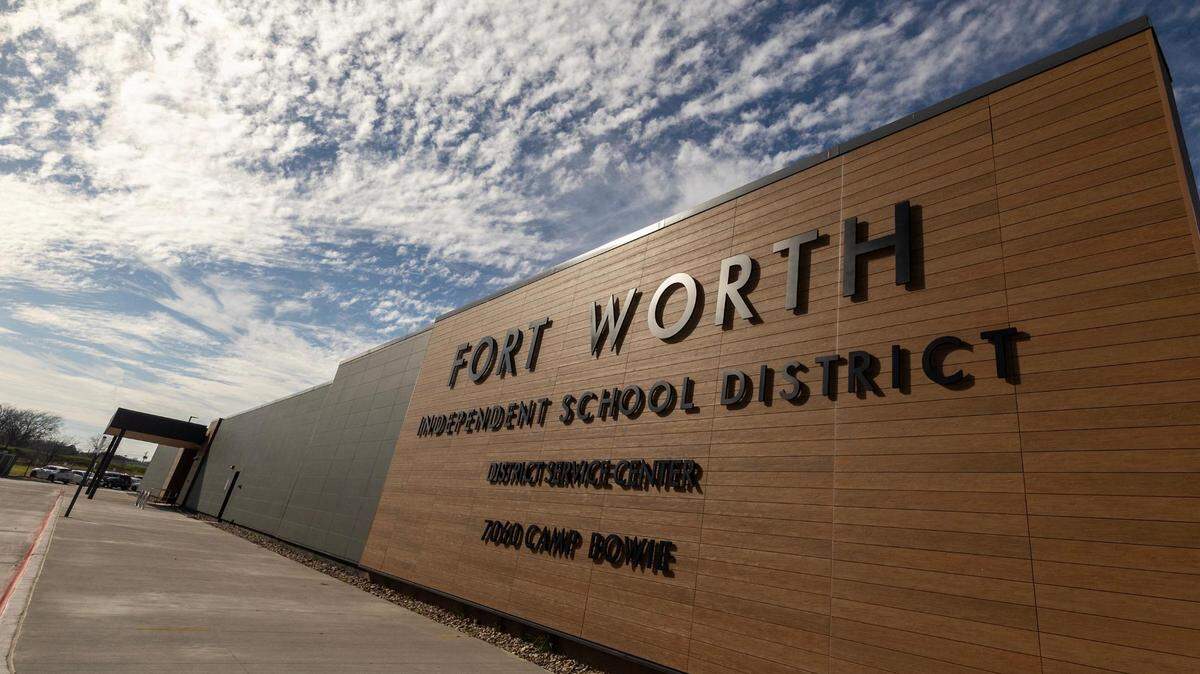
We can’t overstate the importance of what Mayor Mattie Parker and a group of political, philanthropic and business leaders did Tuesday when they challenged the Fort Worth school district to address the crisis of student academic failures.
Fixing any problem starts with speaking honestly about it. Parker and nearly four dozen others did just that. Their firm letter demands a bold strategy for better student outcomes in core subjects, improved classroom instruction, a rational plan for district facilities and efforts to hire and retain the best teachers and support staff.
But more to the point: They established clearly why the district coming up short is so harmful to tens of thousands of students and the city overall.
“For our city’s children, these results can significantly narrow their ability to access the life and the opportunities that they want and deserve,” Parker and the other leaders wrote. “And for our city, there are significant long-term consequences in the areas of workforce, economic development, poverty, public health, and much more.
And while the letter was not explicit about this, let it also be said that the vast majority of the children harmed by the district’s poor performance are Black and Hispanic. Many are weighed down by generations of poverty, the kind for which a good education is one of the few escape routes. When we send such children to bad schools, we raise the odds they and their children will be locked in such circumstances.
These problems have lingered or grown despite a recent change in administrative leadership, and they must be laid at the school board’s feet. There must be consequences for ongoing failure, for both elected officials and staff. That could lead to tension and political battles, and while the leaders who signed on Tuesday deserve praise for stepping forward to name the problem and offer help, they must also be prepared to show grit and determination in fixing it.
This Editorial Board has sounded the alarm several times recently about the troubles in Fort Worth ISD. The most glaring is in teaching children to read. Roughly a third of the district’s third-graders have achieved grade-level reading skills, according to the latest state assessment results.
Fort Worth is far from alone with these problems, even among the several other districts that serve the city. And some dismiss the findings overall because they distrust standardized tests. Hate on the STAAR if you want, but the basic trend has lingered across various measurements and throughout years, if not decades. This is not a testing issue.
And honestly, if schools can’t even impart basic literacy, what are we even doing here? What hope does a third-grader have of mastering advanced subjects in the coming grades if she or he can’t read well enough?
The mayor’s letter lays out a striking expanse of failure across subjects and grades, even in comparison to other districts with diverse and economically challenged populations. The percentage of FWISD students who have at least an adequate grasp of course material is shocking.
Nearly all large urban districts struggle, and the pandemic and its lingering effects did learning no favors. But as the letter notes, Dallas has surged ahead of Fort Worth in recent years, and there’s been dramatic improvement in Houston, where the state has been running the district for a year.
Parker and other leaders have tried in the past to offer support, and we’ve heard too many tales of a tepid response from the district to believe it’s isolated. Now that they’re offering again, and so publicly, the district needs to be more open to admitting its problems and bringing in the business, philanthropic and political communities to help.
We must also insist on leadership that finally gets it and makes hard calls. As we noted a few weeks ago, the board has struggled with adopting a strategic plan from Superintendent Angélica Ramsey that, if anything, sets goals too modest for a district in crisis. Board members decided not to vote on it because two were absent, and they ostensibly wanted a statement of unanimity or close to it on the plan. But they also bogged down on minor grievances such as whether the district sent enough text messages soliciting input or how involved campus principals should be in explaining the plan to parents and other stakeholders.
With that in mind, we wish the community leaders had said something like this: Stop arguing over the color of the hose when you’re fighting a four-alarm fire.
Going forward, if current board members don’t respond, the leaders who signed Tuesday’s letter must be prepared to seek redress at the ballot box. One problem in many urban districts, including Fort Worth, is a lack of voter interest that lets board members win election with a relative handful of votes. They often end up focused on the fiefdoms of their districts and the few interests that backed them rather than the needs of the entire school system.
But it can’t be a top-down approach. We’ve been heartened to see passionate parent groups stepping up to help their peers be fully involved in their children’s education. If fixing the district gets down to a political battle, those types of community-based reformers will be needed to drive change.
For now, though, Parker and others have clearly identified a crisis and the initial steps needed to address it. The school board needs to listen.
BEHIND THE STORY
MOREHey, who writes these editorials?
Editorials are the positions of the Editorial Board, which serves as the Fort Worth Star-Telegram’s institutional voice. The members of the board are: Cynthia M. Allen, columnist; Steve Coffman, editor and president; Bud Kennedy, columnist; and Ryan J. Rusak, opinion editor. Most editorials are written by Rusak. Editorials are unsigned because they represent the board’s consensus positions, not the views of individual writers.
Read more by clicking the arrow in the upper right.
How are topics and positions chosen?
The Editorial Board meets regularly to discuss issues in the news and what points should be made in editorials. We strive to build a consensus to produce the strongest editorials possible, but when we differ, we put matters to a vote.
The board aims to be consistent with stances it has taken in the past but usually engages in a fresh discussion based on new developments and different perspectives.
We focus on local and state news, though we will also weigh in on national issues with an eye toward their impact on Texas or the Dallas-Fort Worth area.
How are these different from news articles or signed columns?
News reporters strive to keep their opinions out of what they write. They have no input on the Editorial Board’s stances. The board consults their reporting and expertise but does its own research for editorials.
Signed columns by writers such as Allen, Kennedy and Rusak contain the writer’s personal opinions.
How can I respond to an editorial, suggest a topic or ask a question?
We invite readers to write letters to be considered for publication. The preferred method is an email to letters@star-telegram.com. To suggest a topic or ask a question, please email Rusak directly at rrusak@star-telegram.com.
This story was originally published August 27, 2024 at 6:01 PM.