
If FWISD trustees want to discuss dismal STAAR scores, they should do it openly | Opinion
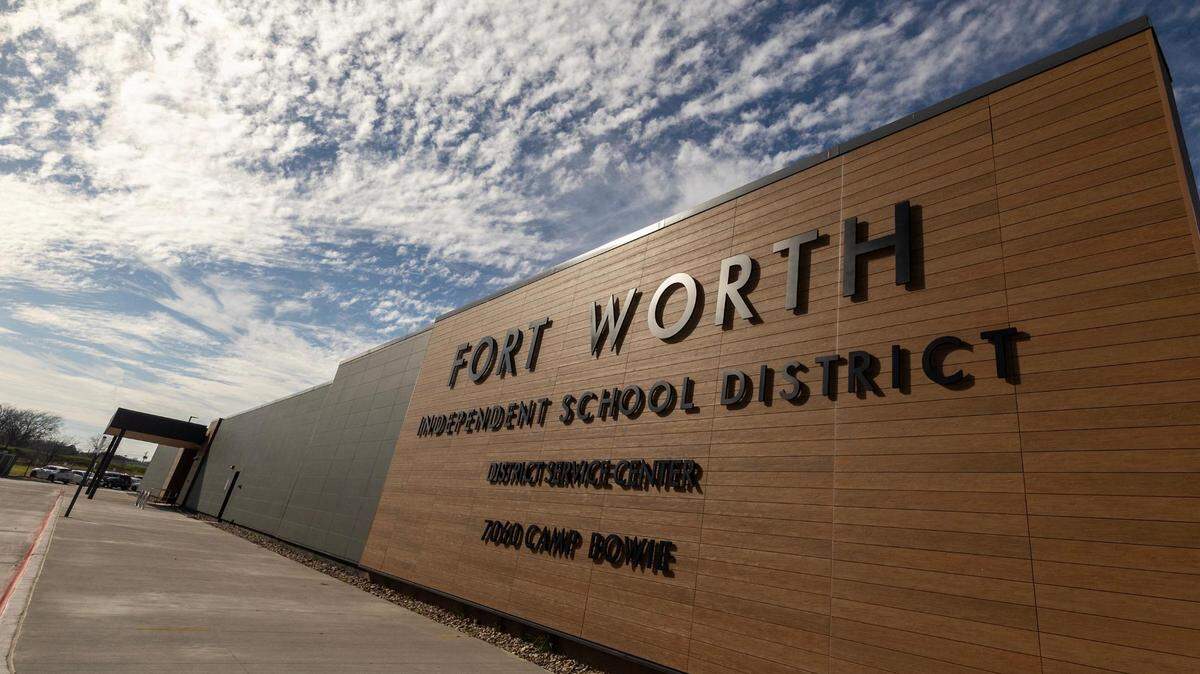
The Fort Worth school district faces a lot of deficits and shortfalls these days.
There’s the decline in student enrollment, now nearly a decade-long phenomenon. There’s consistent budget shortfalls, which the administration, to its credit, is addressing. And there’s the ongoing gap between students’ performance in basic skills and their grade level.
Hanging over it all is a lack of trust and confidence in the school board. And the trustees just made that one worse.
The board apparently discussed, in a closed session, the most recent results of the State of Texas Assessments of Academic Readiness, the STAAR tests. Ostensibly, it did so as part of its ongoing lawsuit against the state over campus and district ratings. But in doing so, it stretched the Texas Open Meetings Act in a way that clearly violates the intent, if not the letter, of the law.
The open-meetings law secures the public’s right to see how its business is done. Exceptions are made for reasonably sensitive matters, such as specific personnel issues and the need to obtain frank advice from legal counsel. But it is not meant to obscure policy discussions or help shield governments from bad news.
We’re hard-pressed to believe that the board members’ briefing was limited strictly to the relationship between the latest STAAR scores and the lawsuit, in which Fort Worth and other districts allege the state unfairly changed the criteria for campus A-F grades. Might the discussion have included how best to spin the results, which showed many students are falling short of grade-level achievement in crucial subjects, especially reading and math?
Otherwise, what was even the point? The scores are released to the public in great detail, for individual districts and the state overall.
Perhaps this seems like a minor incidence of dodging the sunshine of public scrutiny. But trust eroded is hard to build back. And it’s not like the extra discussion made for a better answer on what’s happening in Fort Worth schools. The grim news about student achievement is plain for anyone willing to see it.
This type of thing is why parents, taxpayers and voters turn up at meetings complaining about transparency and accountability. It’s easy to dismiss them as cranks or focus on those burning up about social issues or library books. Citizens cannot properly hold their governments accountable if their representatives insist on doing basic business outside of the public eye.
Their recourse may have to come at the ballot box. Five of the nine board seats are on the ballot in May 2025.
BEHIND THE STORY
MOREHey, who writes these editorials?
Editorials are the positions of the Editorial Board, which serves as the Fort Worth Star-Telegram’s institutional voice. The members of the board are: Cynthia M. Allen, columnist; Steve Coffman, editor and president; Bud Kennedy, columnist; and Ryan J. Rusak, opinion editor. Most editorials are written by Rusak. Editorials are unsigned because they represent the board’s consensus positions, not the views of individual writers.
Read more by clicking the arrow in the upper right.
How are topics and positions chosen?
The Editorial Board meets regularly to discuss issues in the news and what points should be made in editorials. We strive to build a consensus to produce the strongest editorials possible, but when we differ, we put matters to a vote.
The board aims to be consistent with stances it has taken in the past but usually engages in a fresh discussion based on new developments and different perspectives.
We focus on local and state news, though we will also weigh in on national issues with an eye toward their impact on Texas or the Dallas-Fort Worth area.
How are these different from news articles or signed columns?
News reporters strive to keep their opinions out of what they write. They have no input on the Editorial Board’s stances. The board consults their reporting and expertise but does its own research for editorials.
Signed columns by writers such as Allen, Kennedy and Rusak contain the writer’s personal opinions.
How can I respond to an editorial, suggest a topic or ask a question?
We invite readers to write letters to be considered for publication. The preferred method is an email to letters@star-telegram.com. To suggest a topic or ask a question, please email Rusak directly at rrusak@star-telegram.com.