
Paxton whistleblowers can’t catch a break, but the attorney general sure can | Opinion
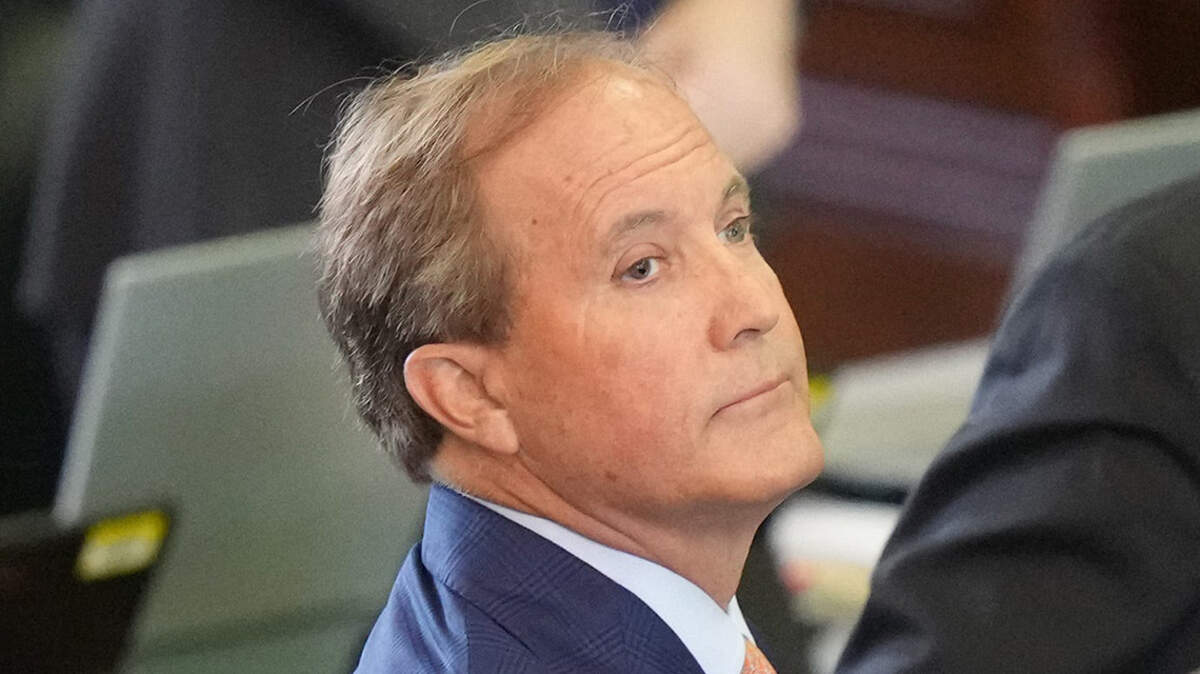
You know the saying: The squeaky wheel gets the grease. If so, Ken Paxton’s the squeakiest, greasiest wheel in Texas.
The attorney general is so desperate not to face questions in a deposition about fraud and bribery allegations and his sketchy relationship with donor Nate Paul that he’s delayed, tried to surrender and, now, begged the Texas Supreme Court to defer it.
To the surprise of absolutely no one, the court decided to halt his deposition that was supposed to be taken early this month in a case brought against him by a group of whistleblowers. For the whistleblowers, the wheels of justice do turn exceedingly slowly. Somehow, the justice system seems to work a lot faster for Paxton in that he catches every break he wants, even if all the cards seem stacked against him. Even if he admits to stacking them himself.
A couple weeks ago, Paxton was so desperate not to be deposed that he claimed he would no longer even contest the facts of the case, and just accept a judgment against his office. He has for years denied retaliating against whistleblowers who said he’d abused his power and acted corruptly then, when push came to shove and it was time to pay up, Paxton gulped and said: Never mind.
It seemed like an astonishing admittance of some guilt, although in typical Paxton fashion, he claimed he was doing it out of empathy, to save his office being “distracted by these disgruntled former employees and their self-serving sideshow.” Only a professional gaslighter like Paxton can be a martyr and a hero all at once. Only Ken Paxton could simultaneously concede his case, deny the allegations, and then win a plea to buy time. His hubris knows no bounds.
Despite Paxton’s acquiescence, the Texas Supreme Court cut him some slack. The court, full of Republicans, issued an order Tuesday blocking the depositions for now. The parties in the case have until Feb. 29 to respond with more robust legal arguments.
If this wasn’t about Paxton, who constantly manages to defer facing justice, it wouldn’t be a huge deal. But both parties have been steeped in this for years now and are well-prepared. To suggest there’s more to discuss about whether he should have to testify is simply giving Paxton what he wants.
Still, their decision raises the question: Then what? What if Paxton fails and his deposition is forced to resume? What new legal excuse will he give to avoid them? To what lengths will he go to avoid telling the truth and finally ensuring justice for the whistleblowers?
Of course, this still says more about Paxton than it does the Texas Supreme Court. Paxton himself would have it no other way. Imagine a reality in which the state Supreme Court must bother itself with intermediate yet relentless, petty appeals about a simple but potentially devastating deposition.
Too many Paxton supporters shrug and say that their man is an effective public official. But evidence has mounted for years that he is not. The latest: Reporting by the Texas Tribune and the investigative news outlet ProPublic found that Paxton has allowed a unit in his office that pursues Medicaid fraud to deteriorate. Top lawyers have left. Their work may not have excited Paxton followers who seem to think his only duty is suing the federal government and running interference for Donald Trump. But it contributes to state coffers.
On the whistleblower suit, even this brief delay is another blow against justice. The whistleblowers have relentlessly and with meticulous skill and patience presented their cases for Ken Paxton’s participation in fraud, bribery and more. In fact, they were so persuasive Paxton settled with them and then essentially admitted he simply doesn’t want to be deposed.
It’s possible he’s just tired of it all. But in this current reality, so are we. So are the whistleblowers. So are the people in pursuit of justice. It’s time to let the whistleblowers have it.
BEHIND THE STORY
MOREHey, who writes these editorials?
Editorials are the positions of the Editorial Board, which serves as the Fort Worth Star-Telegram’s institutional voice. The members of the board are: Cynthia M. Allen, columnist; Steve Coffman, editor and president; Bud Kennedy, columnist; Ryan J. Rusak, opinion editor; and Nicole Russell, editorial writer and columnist. Most editorials are written by Rusak or Russell. Editorials are unsigned because they represent the board’s consensus positions, not the views of individual writers.
Read more by clicking the arrow in the upper right.
How are topics and positions chosen?
The Editorial Board meets regularly to discuss issues in the news and what points should be made in editorials. We strive to build a consensus to produce the strongest editorials possible, but when we differ, we put matters to a vote.
The board aims to be consistent with stances it has taken in the past but usually engages in a fresh discussion based on new developments and different perspectives.
We focus on local and state news, though we will also weigh in on national issues with an eye toward their impact on Texas or the Dallas-Fort Worth area.
How are these different from news articles or signed columns?
News reporters strive to keep their opinions out of what they write. They have no input on the Editorial Board’s stances. The board consults their reporting and expertise but does its own research for editorials.
Signed columns by writers such as Allen, Kennedy and Rusak contain the writer’s personal opinions.
How can I respond to an editorial, suggest a topic or ask a question?
We invite readers to write letters to be considered for publication. The preferred method is an email to letters@star-telegram.com. To suggest a topic or ask a question, please email Rusak directly at rrusak@star-telegram.com.