
High-speed police chases are dangerous. Public deserves to see Fort Worth’s policies | Opinion
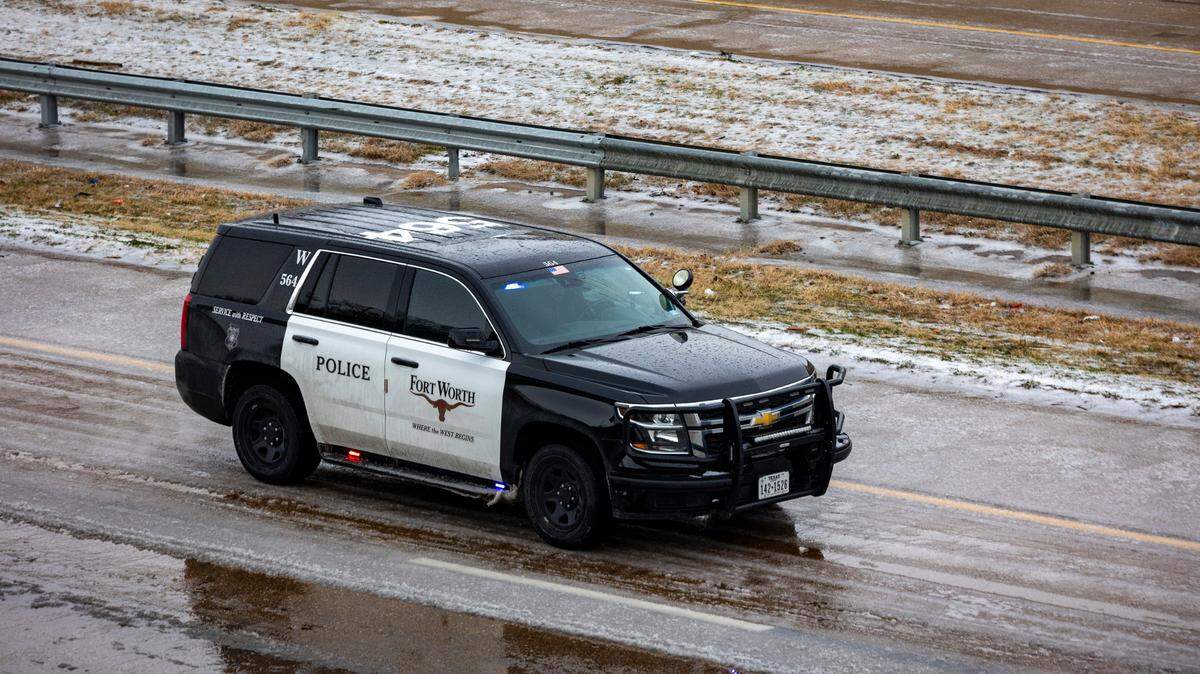
The city of Fort Worth is far from the first public entity to dig in its heels on releasing information about police policy.
When it comes to its insistence that Texas law justifies withholding police orders about high-speed pursuit of suspects, though, department and city officials should consider two things.
First, several of its neighbors in Dallas-Fort Worth make the information readily available, publicly posted online. Second, Attorney General Ken Paxton’s open-records division — no great friend to public information advocates — says the city should provide the information sought by the Star-Telegram and other media outlets.
Residents have a right to examine policies to judge whether their leaders are properly balancing street safety and pursuit of fleeing criminals. It’s a tension without easy answers, and we can’t evaluate the department’s judgment without knowing the details.
This came to a head over the summer, when police vehicles twice slammed into cars, causing deaths. In one case, a 57-year-old man lost his life simply for driving in the wrong place at the wrong time. In the other, an officer’s vehicle slammed into the car being pursued, and a 15-year-old girl in that car died.
The city asked Paxton’s office to evaluate media requests for the pursuit policy, claiming exemption under the state’s homeland security statutes. The attorney general’s opinion was firmly on the side of releasing most of the information — even noting the city failed to make the case that the security law applied the way it contended — though it carved out some exceptions.
Now, the City Council has authorized a lawsuit against Paxton, seeking total victory on withholding the details.
Don’t get distracted by the fact that this is a government-media issue. When governments refuse to release information, they are telling you, your neighbors and fellow taxpayers, that you can’t see policies or data generated on your behalf by your leaders, whether elected or appointed. And they’re using your tax dollars in a costly lawsuit after losing the appeal to the AG that state law grants them.
Police obviously shouldn’t have to publicly disclose all of their strategies and tactics. Again, it’s a balancing act, with ample exceptions for withholding information that might endanger officers, empower fleeing criminals or jeopardize investigations.
But in this case, with police conduct in serious question after two avoidable deaths, providing more details would illuminate the issue. Departments in several other Dallas-Fort Worth cities have aired their policies, often in extensive detail, as CBS11 reported. In the case of Dallas, for instance, the pages-long policy describes the duties of officers and supervisors, the situations that justify high-speed pursuit and the need for review and refinement.
Every such policy is going to come down to individual officers’ judgment, but there’s comfort in knowing exactly how police are ordered to think through these situations in real time.
And if the requirements to do so are inadequate, the public deserves to know that so it can demand changes and hold leaders accountable.
Time and again, lack of transparency ends up costing governments valuable money and time, as well as the perspective needed to ensure policies are up to the needs of the moment. Tradeoffs are inevitable, and they are best achieved when there is open public debate.
Fort Worth’s elected officials and residents offer great deference to police, knowing the job is dangerous and difficult. But in the end, they do work for us — and we need to know the requirements, restrictions and conditions under which they do even the most stressful parts of police work.
For the city to fight, in court, the release of information necessary for those conversations is a mistake.
BEHIND THE STORY
MOREHey, who writes these editorials?
Editorials are the positions of the Editorial Board, which serves as the Fort Worth Star-Telegram’s institutional voice. The members of the board are: Cynthia M. Allen, columnist; Steve Coffman, editor and president; Bud Kennedy, columnist; Ryan J. Rusak, opinion editor; and Nicole Russell, editorial writer and columnist. Most editorials are written by Rusak or Russell. Editorials are unsigned because they represent the board’s consensus positions, not the views of individual writers.
Read more by clicking the arrow in the upper right.
How are topics and positions chosen?
The Editorial Board meets regularly to discuss issues in the news and what points should be made in editorials. We strive to build a consensus to produce the strongest editorials possible, but when we differ, we put matters to a vote.
The board aims to be consistent with stances it has taken in the past but usually engages in a fresh discussion based on new developments and different perspectives.
We focus on local and state news, though we will also weigh in on national issues with an eye toward their impact on Texas or the Dallas-Fort Worth area.
How are these different from news articles or signed columns?
News reporters strive to keep their opinions out of what they write. They have no input on the Editorial Board’s stances. The board consults their reporting and expertise but does its own research for editorials.
Signed columns by writers such as Allen, Kennedy and Rusak contain the writer’s personal opinions.
How can I respond to an editorial, suggest a topic or ask a question?
We invite readers to write letters to be considered for publication. The preferred method is an email to letters@star-telegram.com. To suggest a topic or ask a question, please email Rusak directly at rrusak@star-telegram.com.