
What are Fort Worth police cars doing in Ellis County? Drive-home policy needs work | Opinion
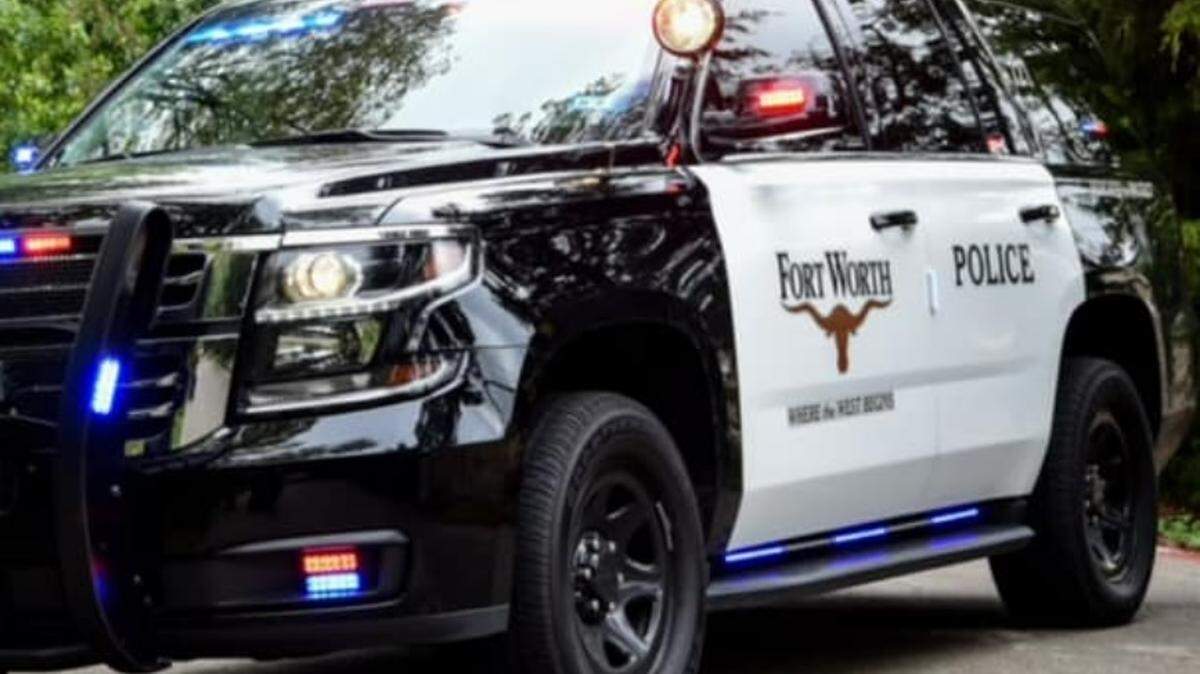
A recent City Council briefing on Fort Worth’s policy for letting workers take taxpayer-owned vehicles home made one thing clear: The rules need to be tightened.
A review by the city’s data lab found inconsistent reporting practices and rule enforcement, leading to hundreds of vehicles — mostly police cars or SUVs — leaving the city each night. Taxpayers are paying for maintenance and gas for long commutes, contributing to over-budget fleet costs.
Maps showing vehicles taken as far away as Ellis County were the breathtaking part of the council presentation. Police accounted for 95% of take-home vehicles, and more than half are going outside of city limits.
It’s important that the city and particularly the Police Department conduct a deep review and set new standards — and enforce them. But it’s crucial not to overreact, either. The vehicle policy has value, both measurable and intangible. It’s just been stretched too far.
City workers in certain positions are expected to be able to respond quickly to emergencies, and for many, a city-provided vehicle facilitates that. And it’s good to have police squad cars in neighborhoods as a crime deterrent and to provide a sense of security for residents.
It’s fair to question, however, if providing those benefits in areas far from Fort Worth helps local taxpayers at all, let alone enough to justify the cost.
Here’s the problem with sweeping change, though: Use of vehicles has become a perk of the job. And it’s hard enough right now to recruit and keep police officers. The city must move cautiously on anything that might contribute to more openings and thus a less-safe Fort Worth. Nor would it make sense to consider steps such as requiring officers to live in the city or even in Tarrant County.
So, what is the city to do? The first step, already underway, is a thorough review of the program to ensure we know exactly what it costs, where it’s useful and what makes sense to change. Police Chief Neil Noakes took responsibility for lax reporting on vehicle use and pledged to clean it up. That’s a good start.
Once we understand the full scope of take-home vehicles, some limits to the costliest outliers will be appropriate. Fort Worth taxpayers shouldn’t foot the bill for a long commute; if officers or other city employees want to live in more rural settings or certain suburbs, they should absorb the costs.
One solution might be to restrict vehicles to Tarrant County and within a certain distance from city limits in other counties. Remember that parts of Fort Worth fall in Parker and Denton counties, with tiny portions in Wise and Johnson, too. A generous policy could include the entirety of those counties, but in our sprawling area, that covers a lot of distance from the city center. Besides, if an officer or other employee lives that far out, he or she will struggle to meet the emergency-dispatch requirement, with a city vehicle or otherwise.
A well-intentioned — and still useful — policy has suffered from poor monitoring and enforcement. A thorough review can correct those mistakes without making harsh changes that hurt the city and its workers. That should be the goal of the city manager’s staff and the Police Department.
BEHIND THE STORY
MOREHey, who writes these editorials?
Editorials are the positions of the Editorial Board, which serves as the Fort Worth Star-Telegram’s institutional voice. The members of the board are: Cynthia M. Allen, columnist; Steve Coffman, editor and president; Bud Kennedy, columnist; Ryan J. Rusak, opinion editor; and Nicole Russell, editorial writer and columnist. Most editorials are written by Rusak or Russell. Editorials are unsigned because they represent the board’s consensus positions, not the views of individual writers.
Read more by clicking the arrow in the upper right.
How are topics and positions chosen?
The Editorial Board meets regularly to discuss issues in the news and what points should be made in editorials. We strive to build a consensus to produce the strongest editorials possible, but when we differ, we put matters to a vote.
The board aims to be consistent with stances it has taken in the past but usually engages in a fresh discussion based on new developments and different perspectives.
We focus on local and state news, though we will also weigh in on national issues with an eye toward their impact on Texas or the Dallas-Fort Worth area.
How are these different from news articles or signed columns?
News reporters strive to keep their opinions out of what they write. They have no input on the Editorial Board’s stances. The board consults their reporting and expertise but does its own research for editorials.
Signed columns by writers such as Allen, Kennedy and Rusak contain the writer’s personal opinions.
How can I respond to an editorial, suggest a topic or ask a question?
We invite readers to write letters to be considered for publication. The preferred method is an email to letters@star-telegram.com. To suggest a topic or ask a question, please email Rusak directly at rrusak@star-telegram.com.