
We need a solution for illegal immigration, but new Texas law isn’t it | Opinion

With the furor over abortion dying down, for now, it had been a few days since a Texas law made national news.
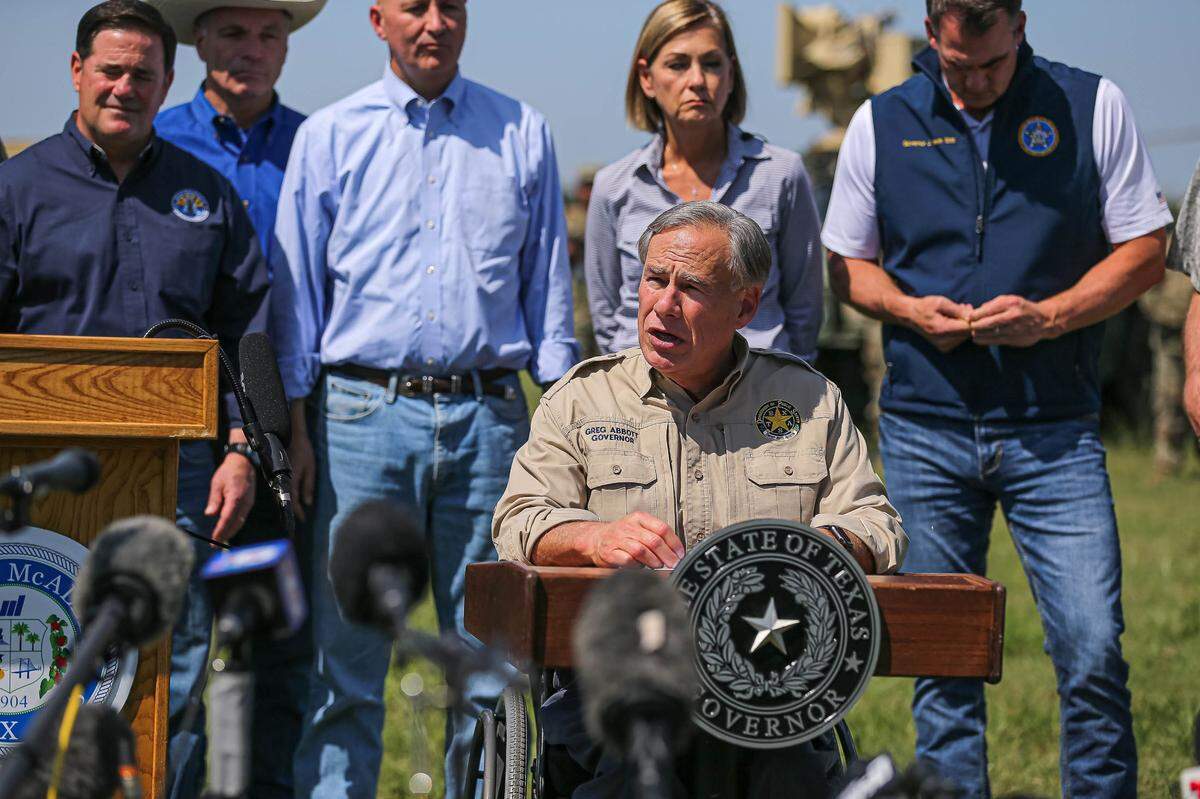
Gov. Greg Abbott took care of that with a high-profile signing of Texas’ latest effort to insert itself into federal immigration matters. The new law creates a state crime of illegal entry and allows judges to order the removal of those who violate it, under certain conditions.
The law has already drawn a court challenge. It’s novel and vague enough that its exact fate is unpredictable, but the supremacy of federal immigration law is clear. Texas is once again meddling where it doesn’t belong. We’re sympathetic to the impulse to address the unprecedented illegal immigration driving this. But attempting to usurp policing of the border isn’t the answer.
Abbott, Lt. Gov. Dan Patrick and Republicans in the Legislature have escalated their battle again and again, spending billions of state dollars and diverting law enforcement in ways that hurt other parts of the state. They’ve stretched the Department of Public Safety and the Texas National Guard. And while they’ve scored victories in terms of optics and raising awareness of the federal failure, it’s debatable whether they’ve made the state much safer.
Critics of this law raise legitimate concerns that it could lead to discriminatory enforcement against Hispanic Texans and increase mistrust of police in vulnerable immigrant communities.
However, they’ve overstated the case, predicting rampant racial profiling and trotting out the tired canard that it’s a “show me your papers” law. In most of Texas, the law will have little effect because of the burden of proof it sets for law enforcement to allege illegal entry. The odds of cases emanating from places like Tarrant County are slim. Even Sheriff Bill Waybourn, no dove on immigration, says he doesn’t expect much effect on his agency.
Along the border, it could be a different story, if DPS officers or local police get zealous. The best way to avoid any of that would be for the federal government to finally tackle the current crisis head-on.
Republicans can’t be the only advocates of reducing illegal immigration. Those prioritizing the prevention of immigration enforcement tragedies should be eager to see change, too, and lean on their allies in the Biden administration to push it. A record backlog has migrants waiting five years for an asylum hearing. That’s not good for them or the nation.
Border security and immigration are part of the annual year-end rush to legislate in Washington. Republicans are demanding significant funding and policy changes in exchange for more U.S. support for Ukraine in its war against Russia. Senate negotiations are dragging, but lawmakers say they’re making progress on a deal to increase deportations once certain thresholds of illegal immigration are passed.
But House Republicans must realize that they can’t hold out for every immigration policy they might want. It’s taken decades for the system to degrade to this level of dysfunction, and it won’t be fixed with slapdash legislation. If GOP lawmakers hold out for a 100% border wall and a return to President Donald Trump’s “Remain in Mexico” policy, they’ll hold up progress that can help now.
Abbott has won the political argument, at least on one front. His tactic of sending migrants to cities with “sanctuary” policies for illegal immigration has forced leaders in those areas to acknowledge the obvious: We cannot absorb huge numbers of immigrants year after year.
In the latest development, Chicago tried to stem the flow by restricting buses. So, Abbott put more than 100 migrants on a plane. Trolling? Yes. The point is driven home again, though.
Texas can’t and shouldn’t police immigration. But the job must be done. Let’s finally get the federal government to do it.
BEHIND THE STORY
MOREHey, who writes these editorials?
Editorials are the positions of the Editorial Board, which serves as the Fort Worth Star-Telegram’s institutional voice. The members of the board are: Cynthia M. Allen, columnist; Steve Coffman, editor and president; Bud Kennedy, columnist; Ryan J. Rusak, opinion editor; and Nicole Russell, editorial writer and columnist. Most editorials are written by Rusak or Russell. Editorials are unsigned because they represent the board’s consensus positions, not the views of individual writers.
Read more by clicking the arrow in the upper right.
How are topics and positions chosen?
The Editorial Board meets regularly to discuss issues in the news and what points should be made in editorials. We strive to build a consensus to produce the strongest editorials possible, but when we differ, we put matters to a vote.
The board aims to be consistent with stances it has taken in the past but usually engages in a fresh discussion based on new developments and different perspectives.
We focus on local and state news, though we will also weigh in on national issues with an eye toward their impact on Texas or the Dallas-Fort Worth area.
How are these different from news articles or signed columns?
News reporters strive to keep their opinions out of what they write. They have no input on the Editorial Board’s stances. The board consults their reporting and expertise but does its own research for editorials.
Signed columns by writers such as Allen, Kennedy and Rusak contain the writer’s personal opinions.
How can I respond to an editorial, suggest a topic or ask a question?
We invite readers to write letters to be considered for publication. The preferred method is an email to letters@star-telegram.com. To suggest a topic or ask a question, please email Rusak directly at rrusak@star-telegram.com.