
Texas fentanyl murder law is a good step. But there’s more to do to save young lives | Opinion
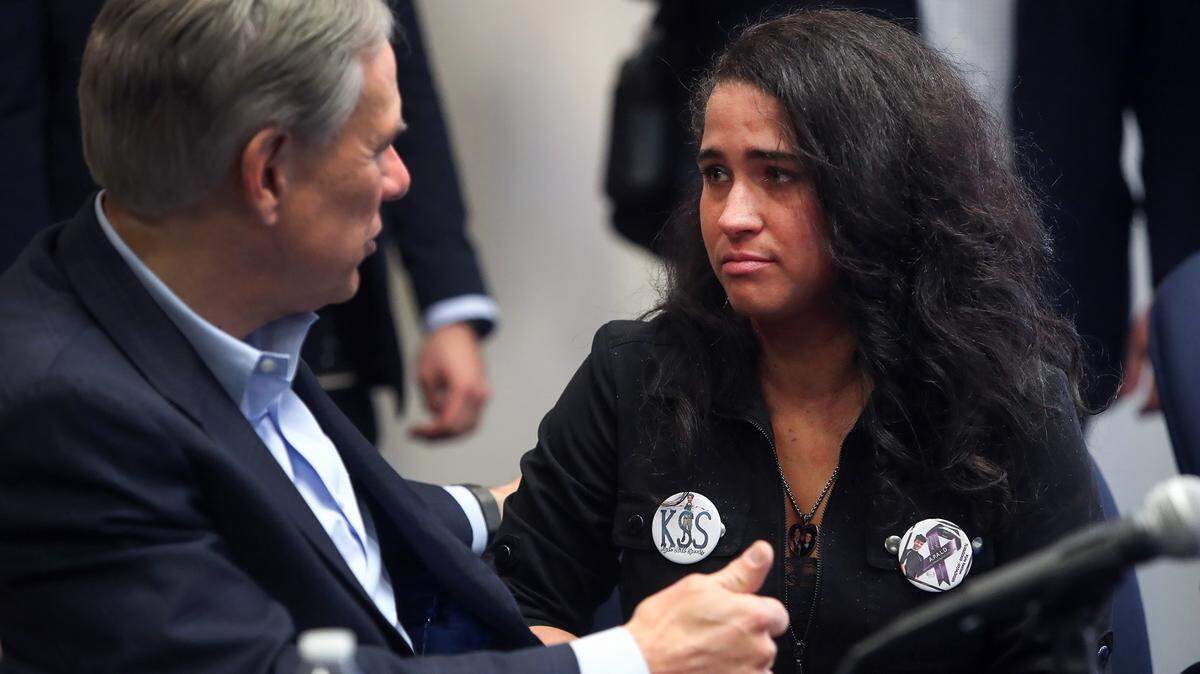
Imagine this: Young parents welcome their newborn boy into the world, full of hope and promise. Through t-ball practices and first days of school, they can’t wait to see who their little boy will become.
Finally, he reaches high school. During his freshman year one day, he drops dead while sitting on your back porch. The reason? Someone laced a pill, not just any pill, but one that could look like any painkiller, with fentanyl.
Just a pinch is enough to be deadly. Now, the heartbroken parents have only memories and grief, questions and anger. Who will do their boy justice?
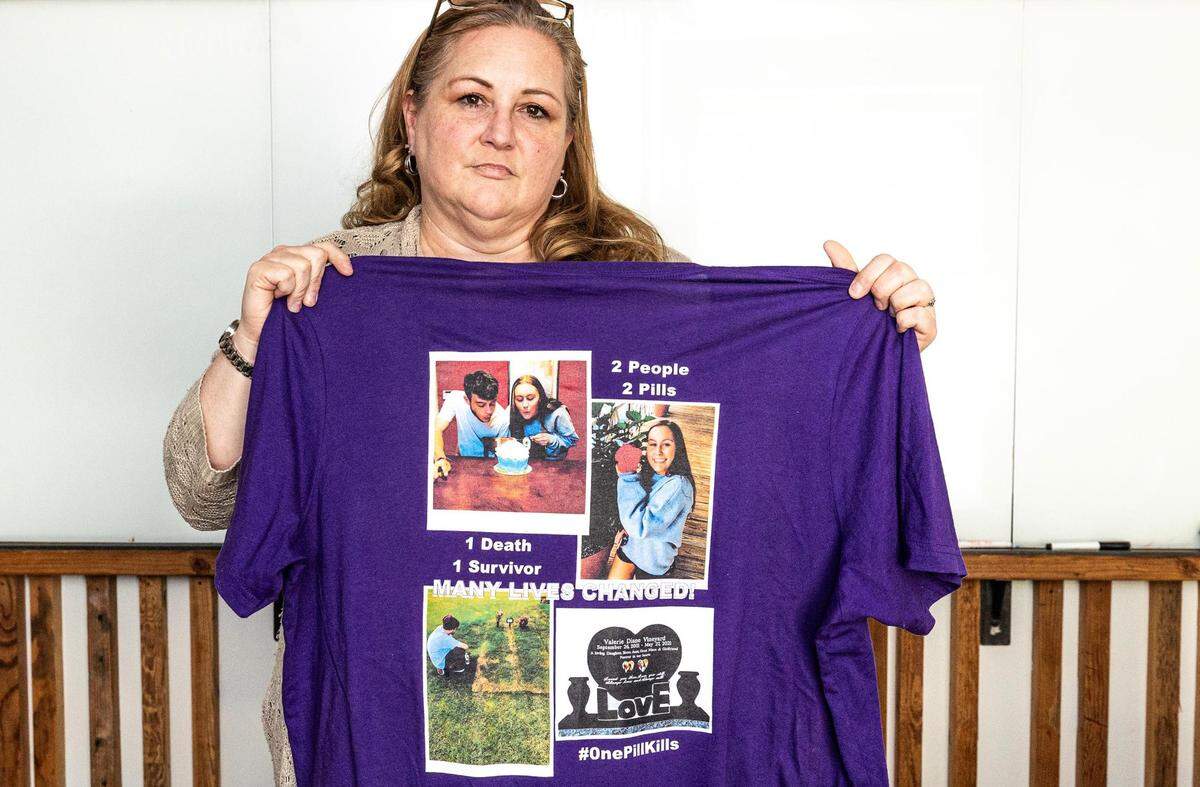
That anecdote is representative of almost 672 people in Fort Worth as young as 14 who have accidentally died from fentanyl since 2019. In Tarrant County, drug deaths make up almost half of accidental deaths now, such is the sudden surge. It’s devastating and heartbreaking to realize fentanyl-related deaths are happening in our backyard to susceptible teens.
In 2019, only 15 people died from fentanyl intoxication in Tarrant and nearby counties. By 2022, that number had grown nearly 1,400% to 224 deaths.
The statistics have caught the attention of lawmakers, many of whom have taken the fentanyl fight where it really needs to be — at the border, where these counterfeit drugs are coming into Texas.
State and federal officials have said that taking on Mexican cartels is the ultimate solution, but in the meantime, it’s important to educate users, especially young people, about the unique danger of a fentanyl overdose. In Washington, Texas Reps. Dan Crenshaw and Chip Roy have spoken out about the need to secure the border to stop the amount of fentanyl-laced drugs from entering Texas.
Roy did so as recently as Thursday during a round table discussion with law enforcement in Dripping Springs. “We must engage our communities and spread awareness,” his office said about the event, while he described efforts to maintain law and order at the border.
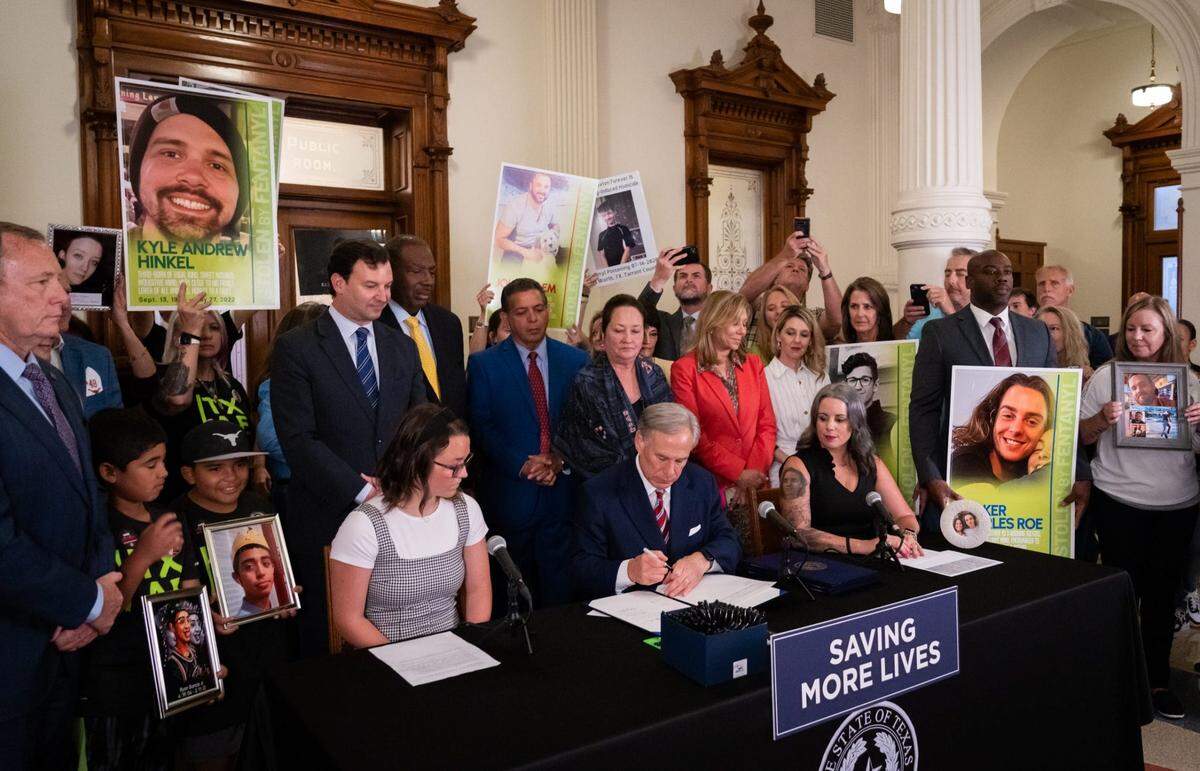
In an editorial last year, we said we’d back a state law that would make drug-induced homicide a crime because it’s already federal law. The Texas legislature passed four laws this year in an effort to curb this unique and deadly drug crisis. The drug-induced homicide law going into effect Sept. 1 makes it so that a person who purposely gives fentanyl to someone else causing their death can be charged with murder. Gov. Greg Abbott also signed another bill that creates harsher penalties for fentanyl distribution and possession.
Criminalizing bad behavior is of course the intent of criminal justice laws, but it’s not clear yet how much a fentanyl murder law will decrease the amount of fentanyl-laced pill distribution simply because it’s often so difficult to track down who created the fake painkillers, who distributed them, and any other hands exchanged in between.
For the law to be most effective, law enforcement must ensure that it’s used against serious traffickers and doesn’t deter teenagers who give a friend a pill from calling for help in an emergency. However, the fact that it is now there could incentivize law enforcement and others to track down distributors and bring justice to the many families who’ve lost loved ones, particularly teens.
The heart of the issue is the distribution of the fentanyl-laced drugs, and that is intertwined with what has now become a complex state, national and international problem: the border. For this, we must better enforce laws that penalize the distribution of fraudulent or illicit drugs. Easier said than done.
Laws are not the answer to every cultural ill or new, deadly phenomenon such as this. But they can slowly influence teens to be more careful, for law enforcement to investigate more, and for some with evil intent to be deterred because they don’t want to be charged with murder. Implementing these will take some time.
For now, we must continue to raise awareness with the “One Pill Kills” campaign that Texas law enforcement agencies are encouraging in schools statewide. Tell your kids to be careful what they take. Make Naloxone, a medication that can reverse the effects of fentanyl and other drug overdoses, available at every school.
Most of all, continue to spread the word about this harmful drug that can hide so easily as an innocent high.
BEHIND THE STORY
MOREHey, who writes these editorials?
Editorials are the positions of the Editorial Board, which serves as the Fort Worth Star-Telegram’s institutional voice. The members of the board are: Cynthia M. Allen, columnist; Steve Coffman, editor and president; Bud Kennedy, columnist; Ryan J. Rusak, opinion editor; and Nicole Russell, editorial writer and columnist. Most editorials are written by Rusak or Russell. Editorials are unsigned because they represent the board’s consensus positions, not the views of individual writers.
Read more by clicking the arrow in the upper right.
How are topics and positions chosen?
The Editorial Board meets regularly to discuss issues in the news and what points should be made in editorials. We strive to build a consensus to produce the strongest editorials possible, but when we differ, we put matters to a vote.
The board aims to be consistent with stances it has taken in the past but usually engages in a fresh discussion based on new developments and different perspectives.
We focus on local and state news, though we will also weigh in on national issues with an eye toward their impact on Texas or the Dallas-Fort Worth area.
How are these different from news articles or signed columns?
News reporters strive to keep their opinions out of what they write. They have no input on the Editorial Board’s stances. The board consults their reporting and expertise but does its own research for editorials.
Signed columns by writers such as Allen, Kennedy and Rusak contain the writer’s personal opinions.
How can I respond to an editorial, suggest a topic or ask a question?
We invite readers to write letters to be considered for publication. The preferred method is an email to letters@star-telegram.com. To suggest a topic or ask a question, please email Rusak directly at rrusak@star-telegram.com.
This story was originally published September 1, 2023 at 5:34 AM.