
A Capitol mystery: A police transparency bill goes missing, and the game is afoot | Opinion
Each session of the Legislature is good for plenty of drama and even some comedy. But rarely does one produce a bona fide whodunnit.
Amid the final days of the regular session and the increasingly bitter special session that has followed, a bill that won huge support in both the House and Senate disappeared. It’s been resolved, and the culprit and his motive revealed. But for a while, it seemed like Texas had a genuine constitutional dilemma on its hands.
House Bill 30 is an important one. It would close the so-called dead suspect loophole, which law enforcement agencies have increasingly used to prevent disclosure of information about crimes. State law permits withholding of records and details if a suspect has not been convicted of a crime. When that suspect — say, a mass shooter — dies during the commission of a crime, some information never sees the light of day.
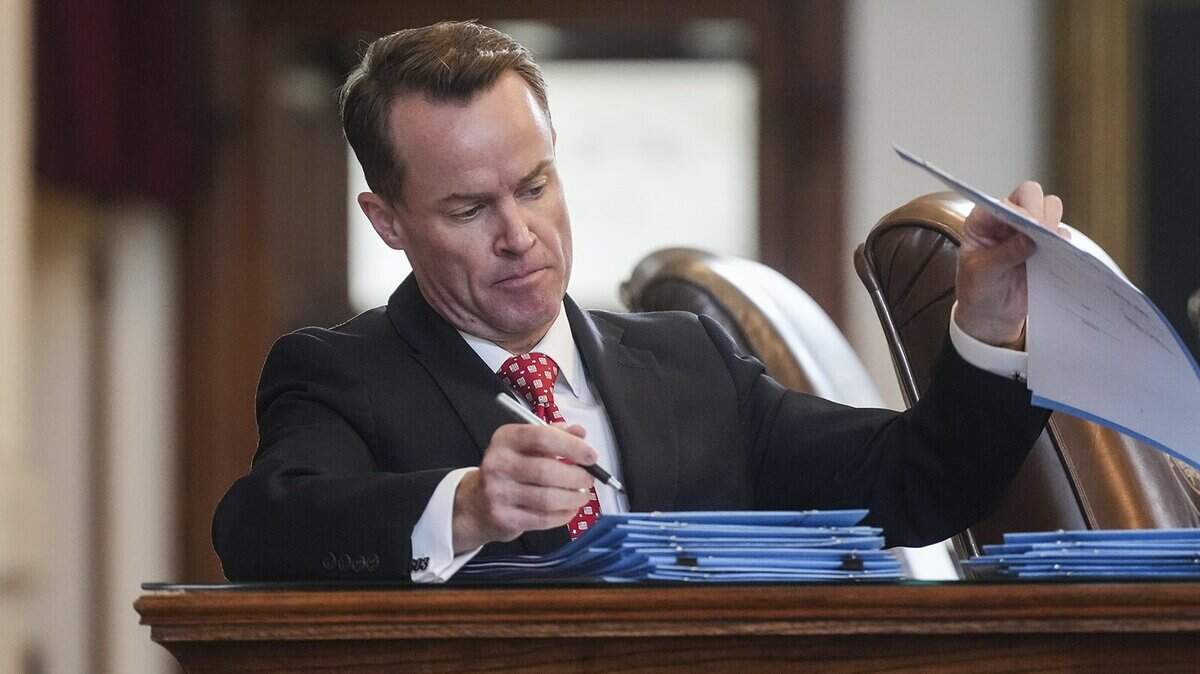
Police need to be able to protect an active investigation, but too often, facts that might demonstrate law enforcement errors or shed light on a particular issue get tucked away when there’s no legitimate reason to keep it from the public. House Speaker Dade Phelan made it a priority, arguing in particular that the loophole should not be used to bury details about the disastrous police response to the Uvalde shooting.
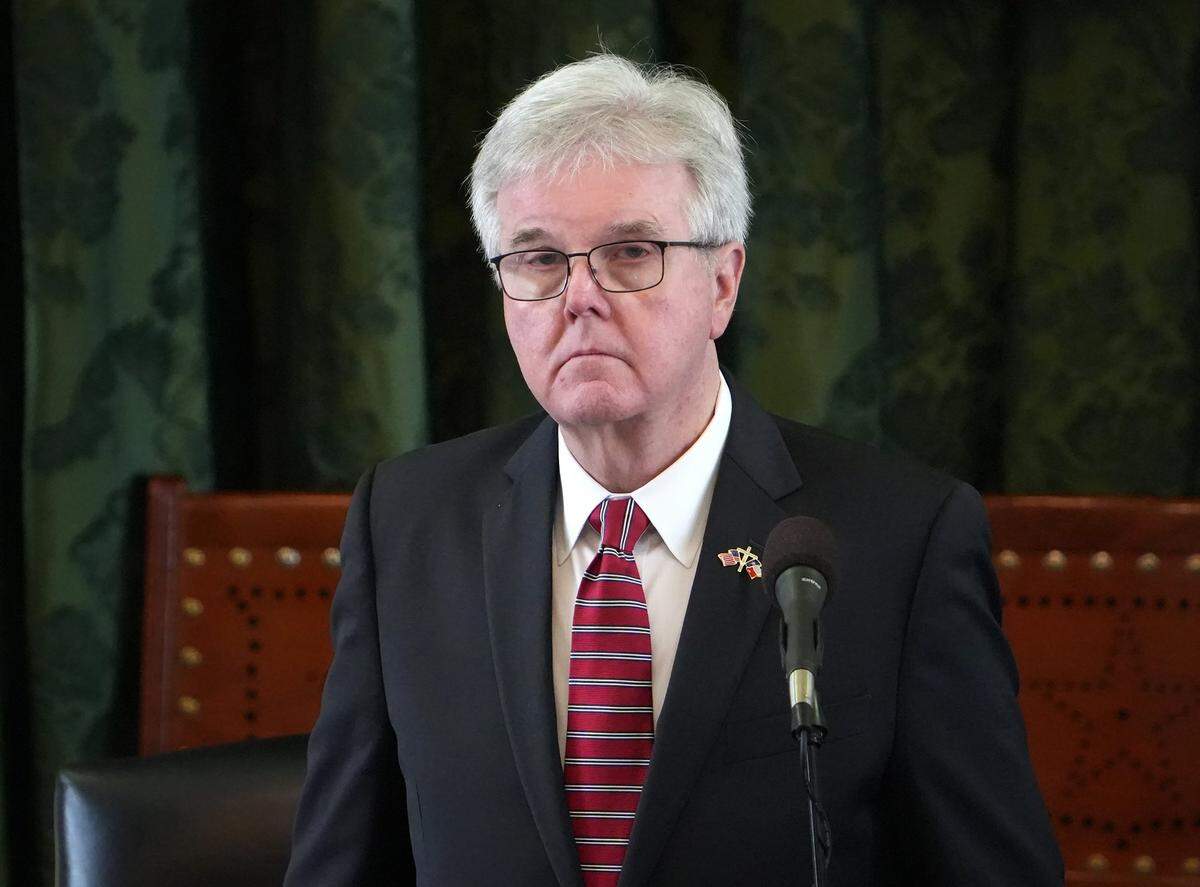
Lawmakers acted, overwhelmingly, to close the loophole. That included a unanimous vote in the Senate. Once bills pass, the presiding officers in each chamber — Lt. Gov. Dan Patrick and House Speaker Dade Phelan, both Republicans — must sign them. Austin TV station KXAN noticed that several days after the transparency bill, House Bill 30, passed, Patrick hadn’t signed it.
At first, KXAN reported, the House and Senate argued over whether the bill was properly sent to the Senate in the first place. It soon became clear that it had, but that Patrick hadn’t signed it.
It looked like an unprecedented constitutional question. Without Patrick’s signature, the bill couldn’t move on to Gov. Greg Abbott for his approval or veto. And the state Constitution requires a presiding officer to sign bills “in the presence” of members of his chamber. What if the session ended? Could Patrick effectively kill a bill by ignoring it? Would courts have to resolve the matter?
It turns out, Patrick revealed Tuesday, that the bill was part of the ever-escalating tension between the Senate and the House. Patrick said that there was a deal between the chambers for the Senate to pass HB30 in exchange for the House approving a Senate bill that would change procedure on filing grievances against judges. When the House didn’t do so, Patrick said, he set aside HB30 to examine it more closely.
These kinds of exchanges happen in the Legislature. It would be naive to think that all legislation passes or fails strictly on its merits. And if Phelan and the House reneged on a deal, that’s poor sportsmanship that will only intensify the mistrust and animosity in the Capitol.
So, this game of Clue is solved: It was Lt. Gov. Patrick, with a grudge, in the Senate chamber. At least the mystery has a good ending — Patrick signed the bill, and it’s awaiting the governor’s decision. He should sign it immediately to avoid any further drama.
But it’s important that no one try to take away the wrong lesson here. Lieutenant governors and House speakers cannot use a technicality to impose their will on legislation once it’s passed. That would be foul play.
BEHIND THE STORY
MOREHey, who writes these editorials?
Editorials are the positions of the Editorial Board, which serves as the Fort Worth Star-Telegram’s institutional voice. The members of the board are: Cynthia M. Allen, columnist; Steve Coffman, editor and president; Bud Kennedy, columnist; Ryan J. Rusak, opinion editor; and Nicole Russell, editorial writer and columnist. Most editorials are written by Rusak or Russell. Editorials are unsigned because they represent the board’s consensus positions, not the views of individual writers.
Read more by clicking the arrow in the upper right.
How are topics and positions chosen?
The Editorial Board meets regularly to discuss issues in the news and what points should be made in editorials. We strive to build a consensus to produce the strongest editorials possible, but when we differ, we put matters to a vote.
The board aims to be consistent with stances it has taken in the past but usually engages in a fresh discussion based on new developments and different perspectives.
We focus on local and state news, though we will also weigh in on national issues with an eye toward their impact on Texas or the Dallas-Fort Worth area.
How are these different from news articles or signed columns?
News reporters strive to keep their opinions out of what they write. They have no input on the Editorial Board’s stances. The board consults their reporting and expertise but does its own research for editorials.
Signed columns by writers such as Allen, Kennedy and Rusak contain the writer’s personal opinions.
How can I respond to an editorial, suggest a topic or ask a question?
We invite readers to write letters to be considered for publication. The preferred method is an email to letters@star-telegram.com. To suggest a topic or ask a question, please email Rusak directly at rrusak@star-telegram.com.