
What kind of Republicans can’t pull off a big tax cut? The Texas brand, apparently | Opinion
It was the perfect mix: A near-universal desire to cut Texans’ property taxes, money to burn and plenty of time to work out a deal.
So, of course, the Legislature couldn’t pull it off.
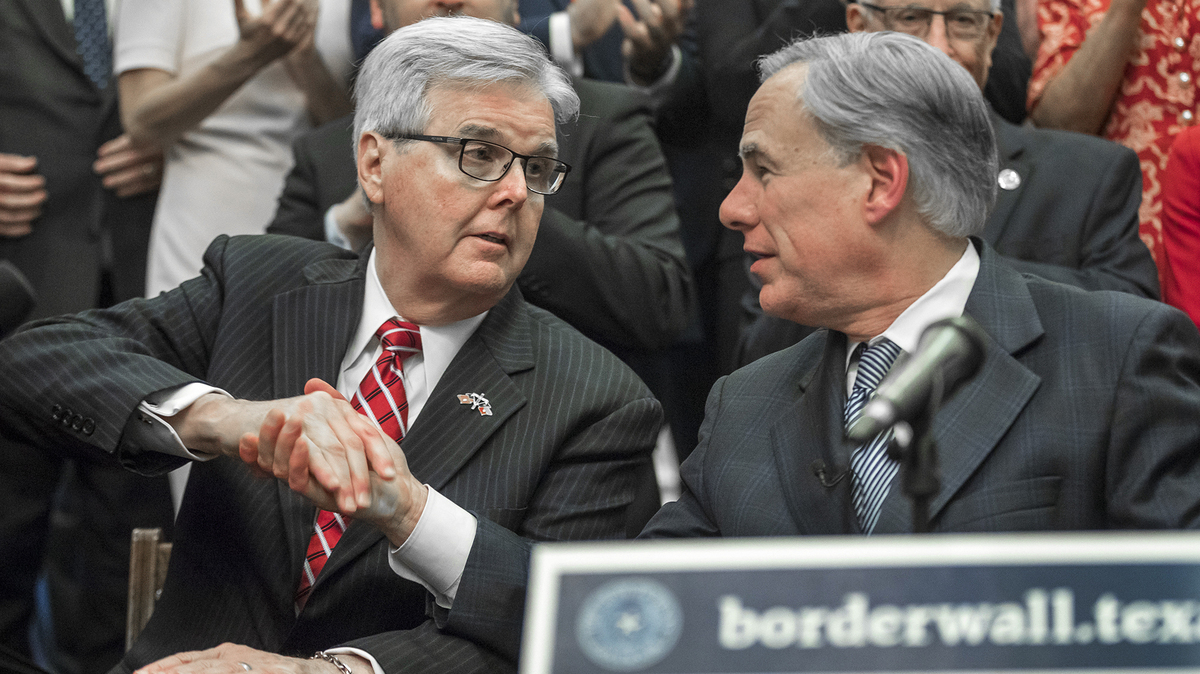
Gov. Greg Abbott, Lt. Gov. Dan Patrick and House Speaker Dade Phelan all deserve your scorn. The Republican triumvirate had a golden opportunity to do something to help Texans suffering under the burden of inflation and ever-rising property taxes. They had a $33 billion cushion to play with. There’s an obvious compromise to be had, but they’d rather fight with one another.
Odds are they’ll work something out this summer. But once you get into multiple special sessions, bruised egos and political selfishness — along with the dynamite of an impeachment trial of the attorney general — who’s to say for sure?
This is no longer entirely about property taxes, and probably never was. It’s the encapsulation of a long-simmering fight between the House and Senate over priorities and the handling of legislation. And it’s a rare open split between Abbott and Patrick over who’s really running the show.
There are three basic ways to cut school property taxes, which make up the biggest portion of a tax bill: reduce districts’ tax rates by providing more state funds; increase the homestead exemption for property owners who live in the house they’re paying taxes on; and tighten the maximum amount that property appraisals can rise (currently 10% a year).
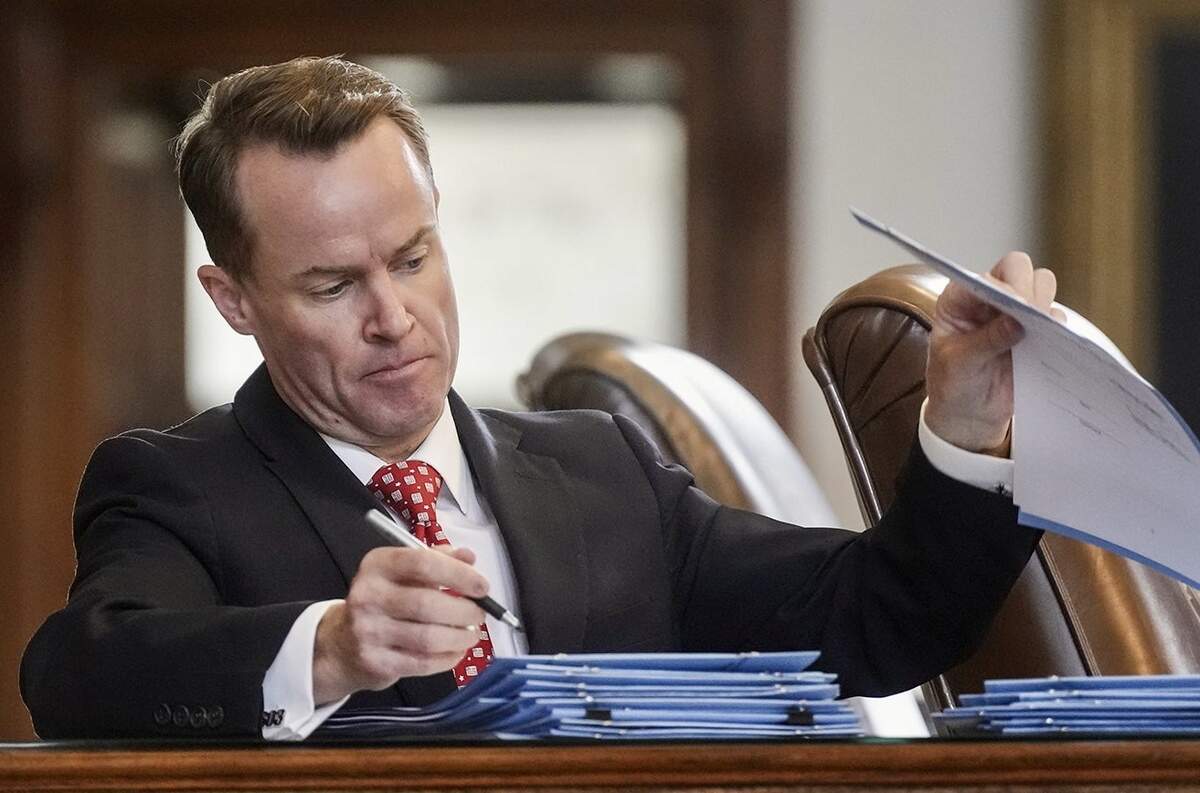
Phelan, a Beaumont Republican, pushed hard during the just-completed regular legislative session for a reduction in appraisal caps, to 5%. We share the view that the appraisal process needs reform. Rapidly increasing values lead to higher tax bills and the pernicious practice of local officials crowing about how they didn’t raise tax rates while they rake in millions more to spend.
There’s concern, though, about distorting the Texas real estate market, which could have profound economic consequences. A property’s value resets when it’s sold, so homeowners might be reluctant to sell a home on which they’re enjoying artificially low appraisals, which would worsen an already problematic housing supply in the Fort Worth area and elsewhere.
Patrick and the Senate have been bullish about increasing the homestead exemption, currently $40,000, to $100,000. That would take a significant chunk out of a homeowner’s bill by more than doubling the amount that isn’t subject to taxation.
It does nothing, however, for businesses, many of which pay hefty property tax bills. And it wouldn’t trickle down to renters because investment properties are not eligible for the homestead exemption.
Cutting tax rates — or more precisely, using state revenue to buy them down — has its upsides and risks, too. The state takes on more of the cost of educating Texans, which it should. And the reduction in taxes would be across the board, for businesses and landlords as well.
But there’s real danger in the long term. Texas has enjoyed years of increasing state revenue, thanks to a strong economy that means robust sales-tax collections and royalties from the oil and gas beneath our feet. But a recession (or continued inflation) that curtails consumer spending or an energy downturn could mean a swing to shortfalls — and possible hefty cuts to education spending.
Experience shows, too, that rapid growth in appraisal values eats up much of what property owners gain in rate reduction. In a booming state, rising values are inevitable.
If by now you’re sensing that we’re telling you there is no perfect answer, you’re right. There are only so many forms of revenue, and in Texas, we’ve taken one — a state income tax — off the table.
Abbott, who should have weighed in earlier on what he wanted, tried to craft a special session agenda that boxes in lawmakers to only reducing tax rates, known as “compression” in state jargon. That drew a rare sharp, direct rebuke from Patrick, who critiqued both the substance of Abbott’s request and the attempt to control the Legislature.
The lieutenant governor even accused the governor of wanting less tax relief for homeowners to provide more for corporations. Holy populism, Batman!
Patrick, of course, could have compromised a lot sooner on rate reduction, too. And Phelan’s fit of pique, having the House pass a rate-reduction plan and adjourn for the special session, was unbecoming and strategically foolish.
Everyone knows there has to be a compromise. It probably looks something like what the Senate has approved, with both a homestead exemption increase and a rate cut.
That would benefit the most Texans. But let’s not pretend it will solve the tax conundrum long-term — or quiet the political bickering among top Republicans for very long.
BEHIND THE STORY
MOREHey, who writes these editorials?
Editorials are the positions of the Editorial Board, which serves as the Fort Worth Star-Telegram’s institutional voice. The members of the board are: Cynthia M. Allen, columnist; Steve Coffman, editor and president; Bud Kennedy, columnist; Ryan J. Rusak, opinion editor; and Nicole Russell, editorial writer and columnist. Most editorials are written by Rusak or Russell. Editorials are unsigned because they represent the board’s consensus positions, not the views of individual writers.
Read more by clicking the arrow in the upper right.
How are topics and positions chosen?
The Editorial Board meets regularly to discuss issues in the news and what points should be made in editorials. We strive to build a consensus to produce the strongest editorials possible, but when we differ, we put matters to a vote.
The board aims to be consistent with stances it has taken in the past but usually engages in a fresh discussion based on new developments and different perspectives.
We focus on local and state news, though we will also weigh in on national issues with an eye toward their impact on Texas or the Dallas-Fort Worth area.
How are these different from news articles or signed columns?
News reporters strive to keep their opinions out of what they write. They have no input on the Editorial Board’s stances. The board consults their reporting and expertise but does its own research for editorials.
Signed columns by writers such as Allen, Kennedy and Rusak contain the writer’s personal opinions.
How can I respond to an editorial, suggest a topic or ask a question?
We invite readers to write letters to be considered for publication. The preferred method is an email to letters@star-telegram.com. To suggest a topic or ask a question, please email Rusak directly at rrusak@star-telegram.com.
This story was originally published June 2, 2023 at 11:56 AM.