
Should Texas drop car safety inspections? Sure, but there’s only one way it will work | Opinion
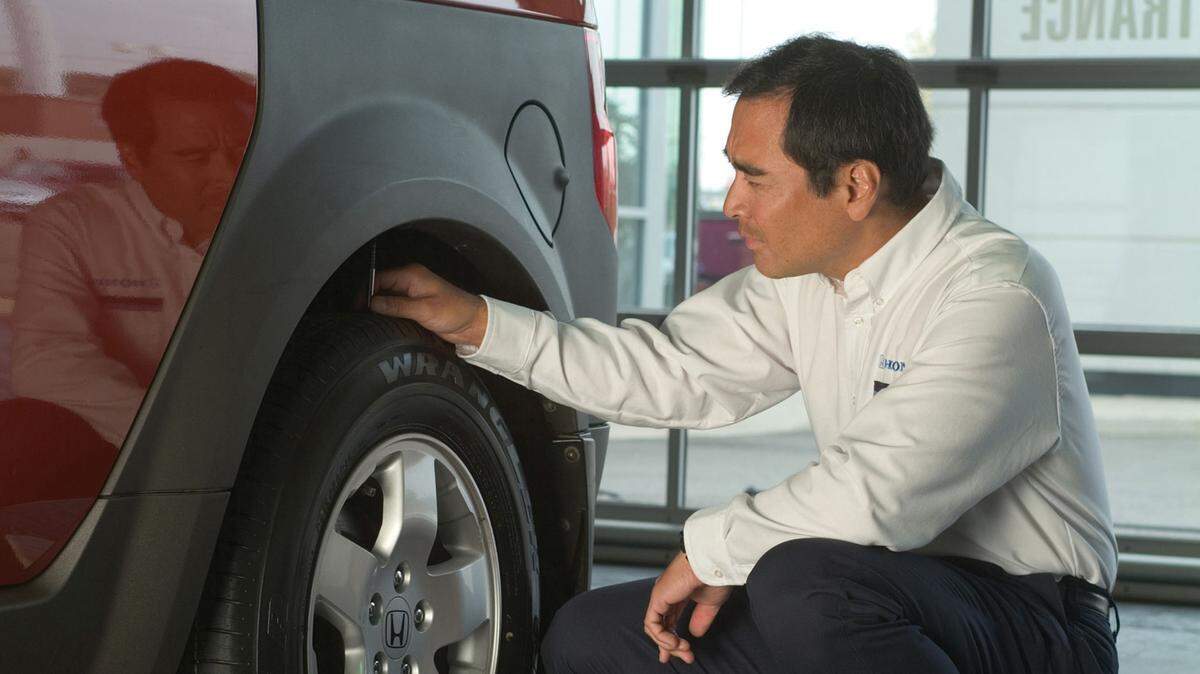
Legislation to eliminate the annual safety inspection for your car seems like a classic case of tradeoffs: Convenience vs. safety. Regulation vs. personal responsibility.
But when you look closer, it’s not likely to be a huge change for most Texans. The fees aren’t going entirely away. Those of us who live in urban areas — more than half the state’s population — will still need to have emissions checks under clean-air laws, so we’re not gaining much in the way of convenience.
And the safety argument? There’s some dispute over whether the whole inspection regime is even working that well anyway.
A bill to end the inspection requirement for non-commercial vehicles has passed the House and Senate. Minor differences remain to be worked out in the Legislature’s final few days, and if they are, it will head to Gov. Greg Abbott for signature or veto.
At first, it sounds alarming — millions of cars on the road with no safety check? What about bald tires and bad brakes? It’s true that there will be some increased level of risk. The question is: How much?
Most states don’t even have inspections anymore, a trend of recent decades. Congressional analysts found that research into whether inspections moved the needle on crash prevention is inconclusive. They cited federal data showing the critical factor in 94% of wrecks is the driver’s behavior, with a tiny share primarily attributed to vehicle or road conditions. More recent research suggests that states without inspections see 5.5% more road fatalities than those still requiring them.
Then, as with so much in government, there’s the question of whether some of the inspection regime is even legitimate or effective. A KXAS-TV (Channel 5) investigation found that millions of Texas vehicles have likely had falsified emissions inspections. It’s not a stretch to picture $20 cash suddenly adding tread to bad tires, if you know what we mean.
Today’s cars are much safer and made to last longer. But that also means drivers are keeping them longer. The car will tell you if there’s something wrong, but problems are more expensive to fix.
That all probably adds up to a minimal impact of eliminating safety inspections. It’s important that commercial vehicles, especially big trucks, still must get a look. But it will save average Texans a few bucks — $7, the amount that goes to the inspection station. More important for many, it will save a little time. So, it’s probably a good step.
Personal responsibility will be crucial, though. It’s bad to drive around with bad brakes or bald tires. We are all obliged to put only safe vehicles on the road.
If more people do that, a little extra freedom and convenience shouldn’t cause a significant safety problem.
BEHIND THE STORY
MOREHey, who writes these editorials?
Editorials are the positions of the Editorial Board, which serves as the Fort Worth Star-Telegram’s institutional voice. The members of the board are: Cynthia M. Allen, columnist; Steve Coffman, editor and president; Bud Kennedy, columnist; Ryan J. Rusak, opinion editor; and Nicole Russell, editorial writer and columnist. Most editorials are written by Rusak or Russell. Editorials are unsigned because they represent the board’s consensus positions, not the views of individual writers.
Read more by clicking the arrow in the upper right.
How are topics and positions chosen?
The Editorial Board meets regularly to discuss issues in the news and what points should be made in editorials. We strive to build a consensus to produce the strongest editorials possible, but when we differ, we put matters to a vote.
The board aims to be consistent with stances it has taken in the past but usually engages in a fresh discussion based on new developments and different perspectives.
We focus on local and state news, though we will also weigh in on national issues with an eye toward their impact on Texas or the Dallas-Fort Worth area.
How are these different from news articles or signed columns?
News reporters strive to keep their opinions out of what they write. They have no input on the Editorial Board’s stances. The board consults their reporting and expertise but does its own research for editorials.
Signed columns by writers such as Allen, Kennedy and Rusak contain the writer’s personal opinions.
How can I respond to an editorial, suggest a topic or ask a question?
We invite readers to write letters to be considered for publication. The preferred method is an email to letters@star-telegram.com. To suggest a topic or ask a question, please email Rusak directly at rrusak@star-telegram.com.