
Yes, more elections: Here are recommendations in Fort Worth ISD, Arlington council runoffs
Voters in two local runoffs may never see a better chance to have a big impact in an election.
Unfortunately, that’s because so few residents will turn out in the Fort Worth school district and Arlington City Council races. The elections are important, but you couldn’t ask for a better recipe for low turnout. Summer is upon us, and it’s already the fourth time Texas voters have been asked to go to the polls this year.
The Fort Worth ISD race, for instance, is a single-district race with nothing city- or countywide to draw voters. The Arlington district is one of the council seats elected citywide, but turnout will still be paltry.
So, if you live in Fort Worth ISD District 4 or in the city of Arlington, here’s your chance to be a big-shot voter. Here are our recommendations.
FORT WORTH ISD
District 4 in southeast Fort Worth has a lot of needs and has recently had frequent turnover in its board trustee — the runoff will yield its third trustee in less than three years.

We recommend Wallace Bridges, a veteran community activist who first sought the seat in 2021. Bridges, 63, impressed us with his passionate focus on the need for more effective learning, especially reading, in this district and all of Fort Worth ISD.
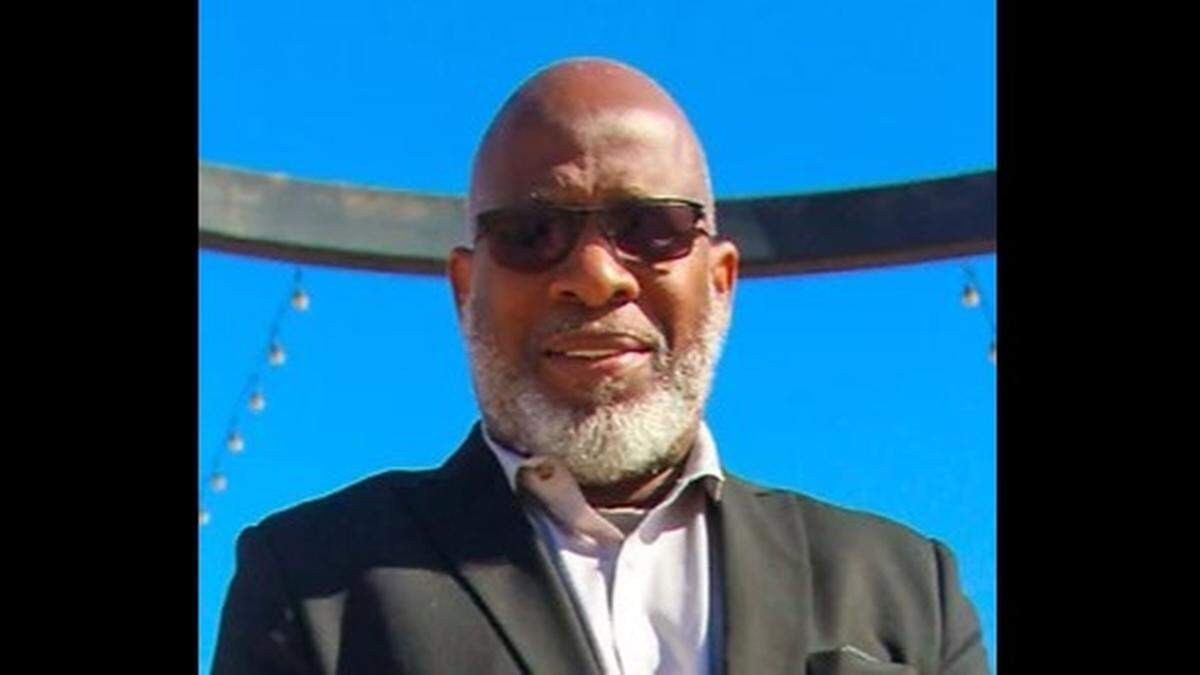
In the first round of voting, Bridges finished second, with 37% of the vote. The leader, psychiatrist Brian Dixon, 41, had 47%. Dixon is a talented, well-meaning candidate, but Bridges has more connections to local schools. There’s also question whether Dixon legally lives in District 4. Bridges has asked the school board to declare him ineligible; Dixon says he rents the home he listed on his ballot application.
The district includes most of the O.D. Wyatt High School pyramid and a few that feed Polytechnic High. The city of Forest Hill has a mayoral runoff that could drive turnout in an area Dixon won in the first round.
The winner will finish the term of trustee Daphne Brookins, who died in November. It runs until 2025.
ARLINGTON CITY COUNCIL
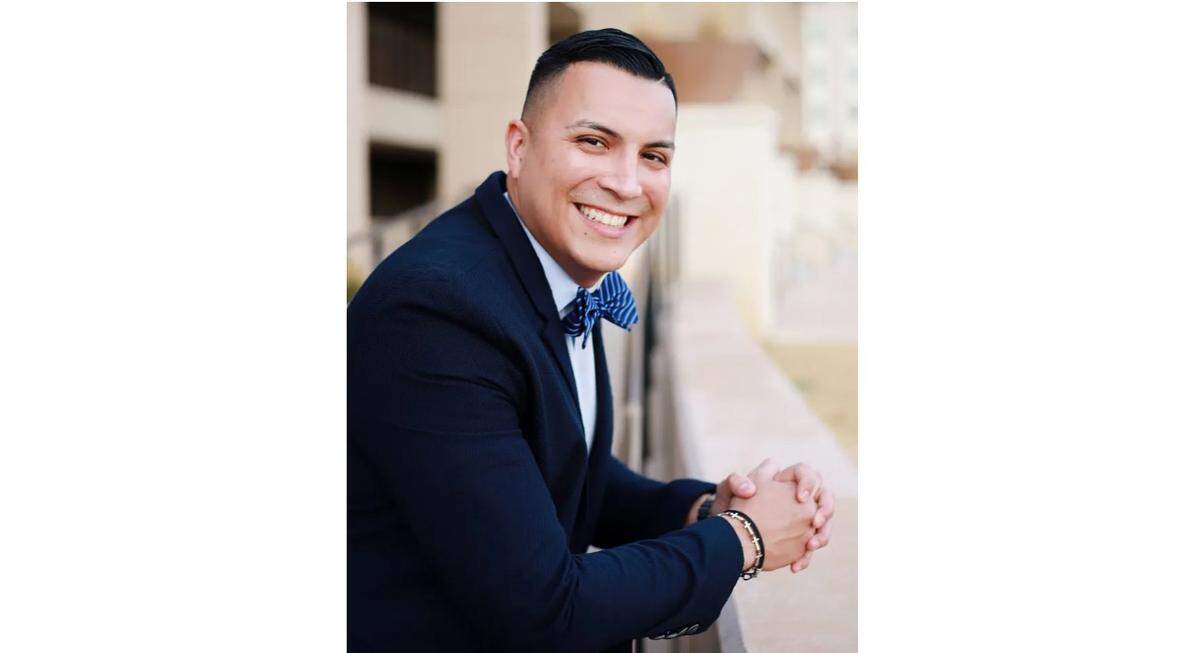
In the District 6 runoff, first-time candidate Albert Parra, an oncologist, is ready to bring a fresh perspective to the council. The 38-year-old understands that the basics of crime, economic development and housing are priorities for voters now.
His opponent, Long Pham, enjoys the support of Mayor Jim Ross and several other Arlington leaders. Pham, a retired Army National Guard officer, brings an extensive resume of service to the race. He did not participate in our candidate interview for the first round of voting.
The initial round of voting featured four candidates. Pham led with 47% of the vote to Parra’s 36%.
The winner will serve a two-year term.
Early voting is under way and concludes June 14. Election Day is June 18. Any registered voter in FWISD District 4 or the city of Arlington can cast a ballot, regardless of whether he or she voted in the initial round. Tarrant County residents can use any polling place.
BEHIND THE STORY
MOREHey, who is behind these endorsements?
Members of the Editorial Board, which serves as the Fort Worth Star-Telegram’s institutional voice, decide candidates and positions to recommend to voters. The members of the board are: Cynthia M. Allen, columnist; Steve Coffman, editor and president; Bud Kennedy, columnist; Ryan J. Rusak, opinion editor; and Nicole Russell, opinion writer.
Members of our Community Advisory Board may also participate in candidate interviews and offer their views, but they do not vote on which candidate to recommend.
Read more by clicking the arrow in the upper right.
How does the process work?
The Editorial Board interviews candidates, asking about positions on issues, experience and qualifications, and how they would approach holding the office for which they are running. Board members do additional research on candidates’ backgrounds and the issues at hand. After that, members discuss the candidates and generally aim to arrive at a consensus, though not necessarily unanimity. All members contribute observations and ideas, so the resulting editorials represent the board’s view, not a particular writer.
How do partisanship and ideology factor in?
We’re not tied to one party or the other, and our positions on issues range across the ideological spectrum. We tend to prefer candidates who align with our previously stated positions, but qualifications, temperament and experience are important, too.