Here’s our recommendation for a fresh face on the Arlington City Council
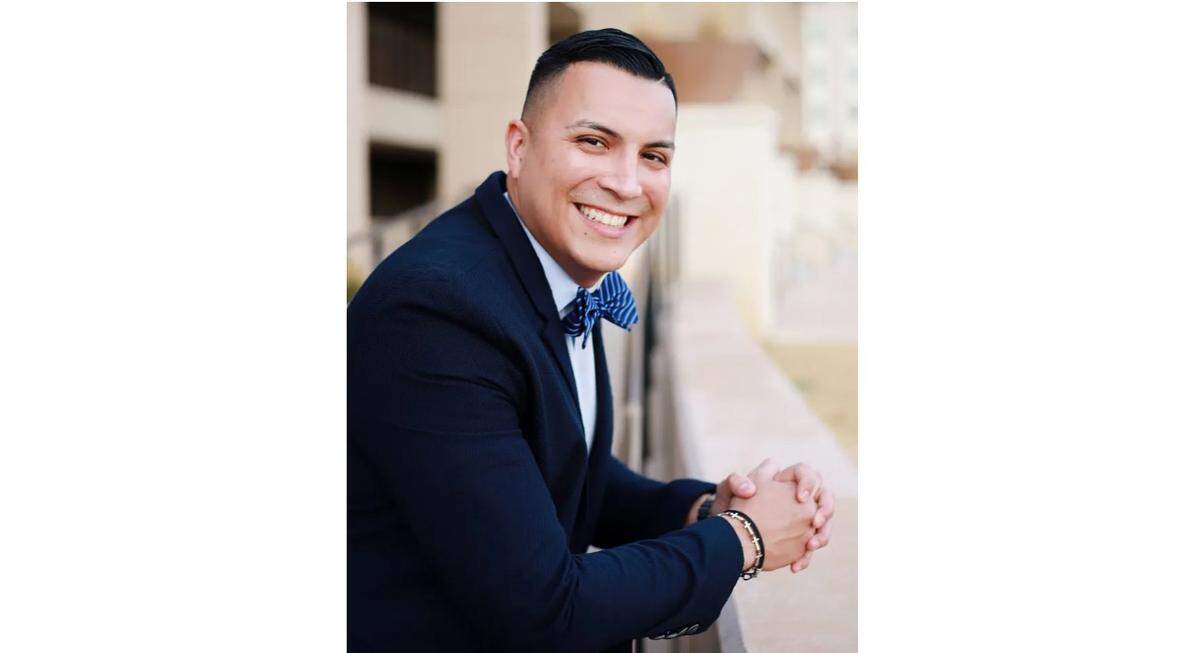
The at-large District 6 race is an opportunity to bring a new perspective to the Arlington City Council. We recommend first-time candidate Albert Parra.
Parra, a 38-year-old oncologist, is campaigning on core issues facing the city, including reducing crime, improving neighborhoods and answering the challenge of economic development and more affordable housing in a land-locked city. His background as a physician will help him take a data-driven approach to problems such as traffic.
And on development issues, he understands that the city needs to draw in young professionals and recruit business, especially to redevelop parts of north Arlington.
Much of Arlington’s political establishment, including Mayor Jim Ross and several current and former council members, is backing Long Pham, a retired Army National Guard officer. Pham did not attend our candidate interview.
Chris “Dobi” Dobson, a frequent candidate for office in Arlington, is well-intentioned and plugged in on city issues but too much of an outsider to be effective.
Also on the ballot is Joshua Taylor, who declined our invitation. He appears to be doing little campaigning.
Early voting starts Monday, and Election Day is May 7. All Arlington voters can cast a ballot in the race. If no candidate gets more than half the vote, the top two finishers will proceed to a runoff. The winner will replace Ruby Faye Woolridge, who left the council to run for county commissioner, and serve a two-year term.
BEHIND THE STORY
MOREHey, who is behind these endorsements?
Members of the Editorial Board, which serves as the Fort Worth Star-Telegram’s institutional voice, decide candidates and positions to recommend to voters. The members of the board are: Cynthia M. Allen, columnist; Steve Coffman, editor and president; Bud Kennedy, columnist; Ryan J. Rusak, opinion editor; and Nicole Russell, opinion writer.
Members of our Community Advisory Board may also participate in candidate interviews and offer their views, but they do not vote on which candidate to recommend.
Read more by clicking the arrow in the upper right.
How does the process work?
The Editorial Board interviews candidates, asking about positions on issues, experience and qualifications, and how they would approach holding the office for which they are running. Board members do additional research on candidates’ backgrounds and the issues at hand. After that, members discuss the candidates and generally aim to arrive at a consensus, though not necessarily unanimity. All members contribute observations and ideas, so the resulting editorials represent the board’s view, not a particular writer.
How do partisanship and ideology factor in?
We’re not tied to one party or the other, and our positions on issues range across the ideological spectrum. We tend to prefer candidates who align with our previously stated positions, but qualifications, temperament and experience are important, too.