
With curriculum battles heating up, here’s our recommendation for Texas education board
Changes to state school curricula always become political battles. But with the sprawling fight over critical race theory and unprecedented attention to local school boards, the next war — over state-level social studies requirements — could go nuclear.
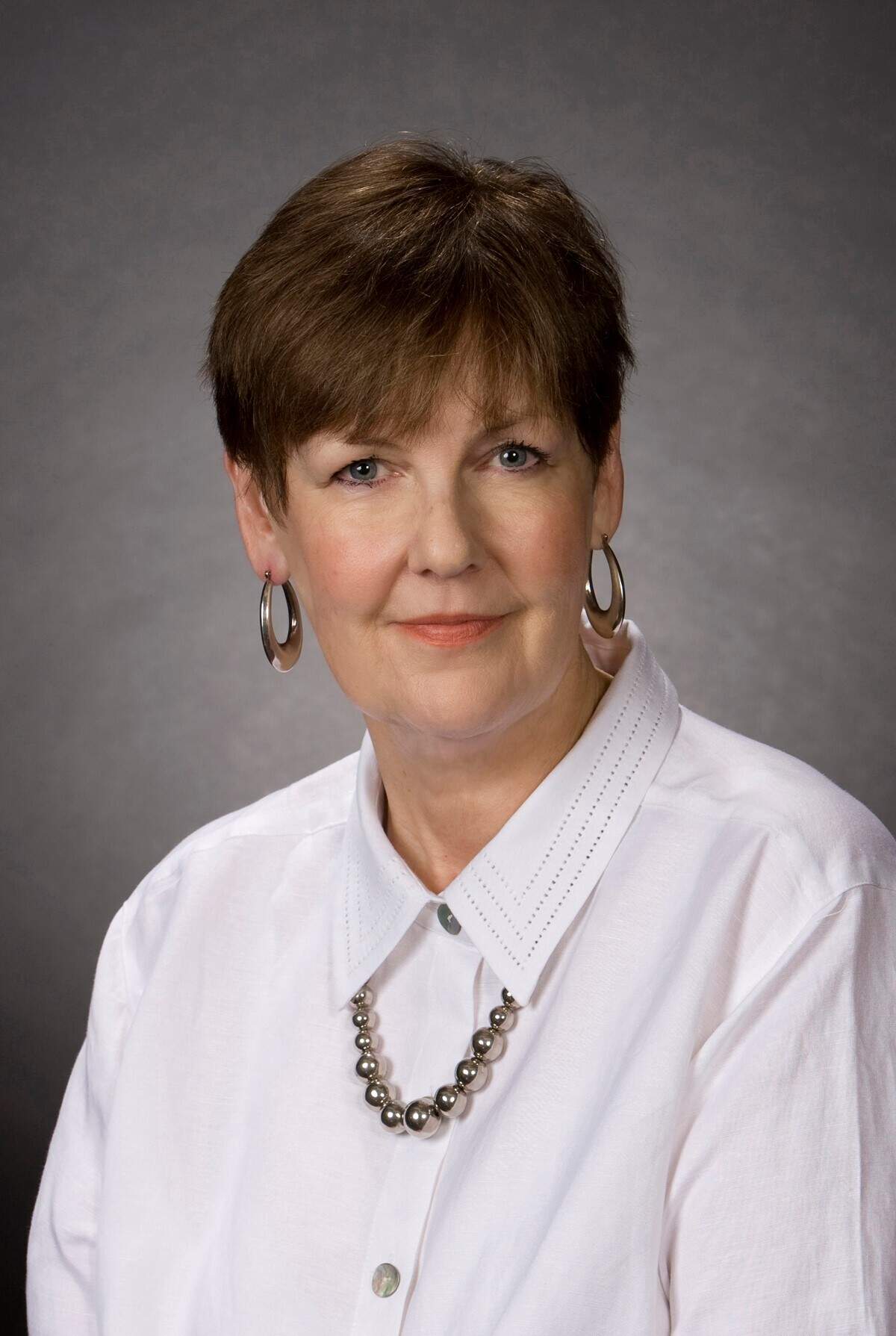
Such issues are why the State Board of Education needs steady, experienced members who can build consensus and steer away from extremes. District 11 incumbent Patricia “Pat” Hardy is such a member, and she deserves to again be the Republican nominee.
Hardy, 73, of Fort Worth was elected to the board originally in 2002 and re-elected several times since. An award-winning former teacher, Hardy understands how students learn and how best to improve state curricula choices.
Gov. Greg Abbott recently tasked the board and other state entities with setting standards to prevent having obscene material available to students. The need for state intervention here is highly questionable, and Hardy understands that whatever guidelines result, local control by elected school boards is the right way to go.

Her chief rival, Tarrant County College professor Joshua Tarbay, 44 shows dedication to education and public schools. The former Weatherford ISD trustee seems to want to bring hard-line conservative principles to the state board.
Candidate Rebecca Garcia had some good ideas about how to lessen the pressure of the STAAR test on students and teachers. But in our interview, she had little to offer on the board’s actual responsibilities. Daniel “DC” Caldwell, 37, of Fort Worth, is well intentioned, but he filed to run in four parties, making him ineligible to actually hold the seat.
District 11 encompasses most of west and north Fort Worth and Tarrant County, along with adjacent counties to the west and south. Early voting starts Monday and ends Feb. 25 for the March 1 election. If no candidate wins more than half the vote, the top two will advance to the runoff.
BEHIND THE STORY
MOREHey, who is behind these endorsements?
Members of the Editorial Board, which serves as the Fort Worth Star-Telegram’s institutional voice, decide candidates and positions to recommend to voters. The members of the board are: Cynthia M. Allen, columnist; Steve Coffman, editor and president; Bud Kennedy, columnist; Ryan J. Rusak, opinion editor; and Nicole Russell, opinion writer.
Members of our Community Advisory Board may also participate in candidate interviews and offer their views, but they do not vote on which candidate to recommend.
Read more by clicking the arrow in the upper right.
How does the process work?
The Editorial Board interviews candidates, asking about positions on issues, experience and qualifications, and how they would approach holding the office for which they are running. Board members do additional research on candidates’ backgrounds and the issues at hand. After that, members discuss the candidates and generally aim to arrive at a consensus, though not necessarily unanimity. All members contribute observations and ideas, so the resulting editorials represent the board’s view, not a particular writer.
How do partisanship and ideology factor in?
We’re not tied to one party or the other, and our positions on issues range across the ideological spectrum. We tend to prefer candidates who align with our previously stated positions, but qualifications, temperament and experience are important, too.
This story was originally published February 12, 2022 at 5:03 AM.