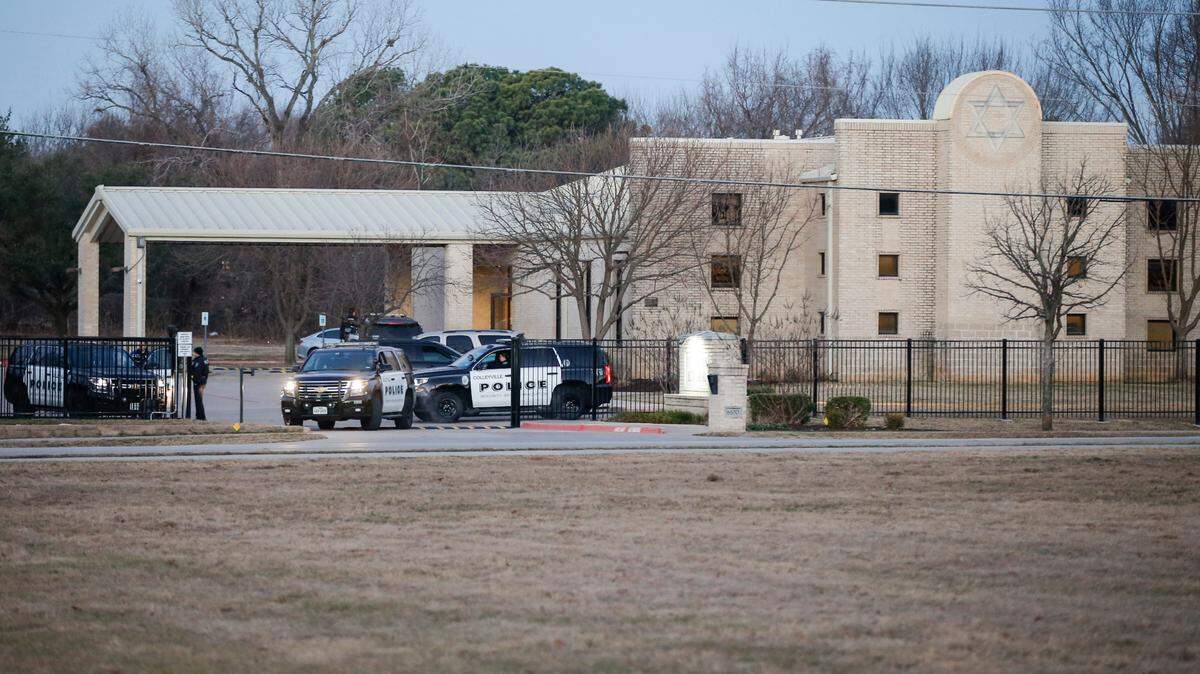
Call the hostage-taking at Colleyville synagogue what it is: evil terrorism
READ MORE
Hostages held at Colleyville synagogue
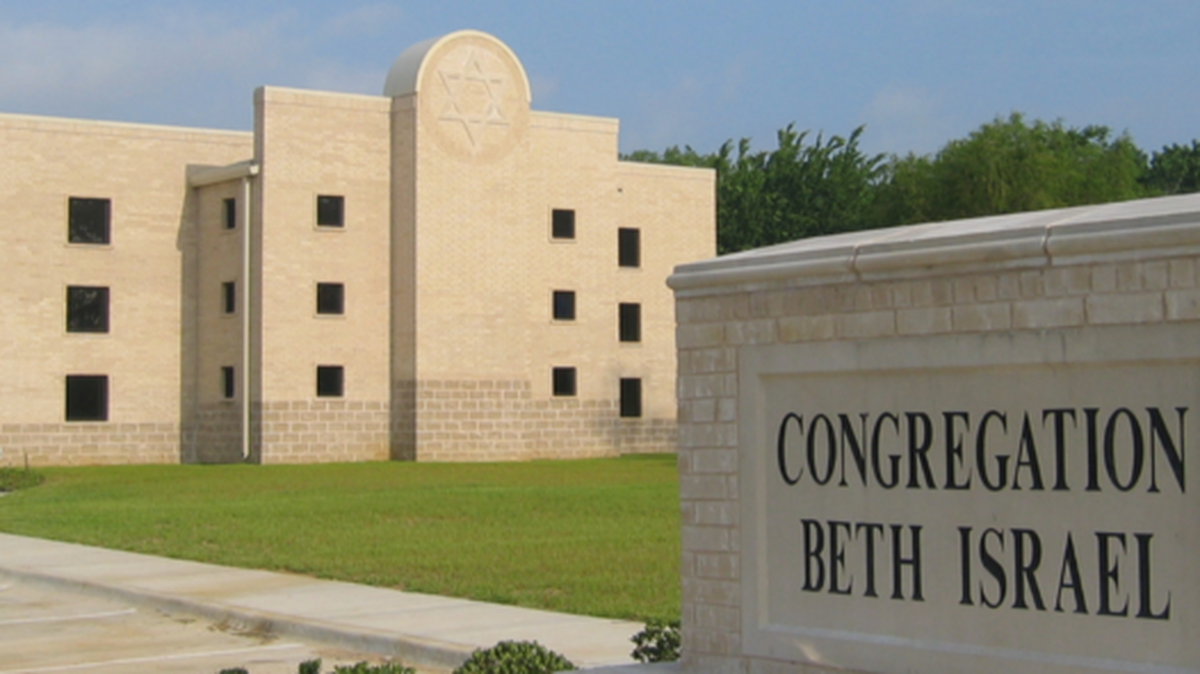
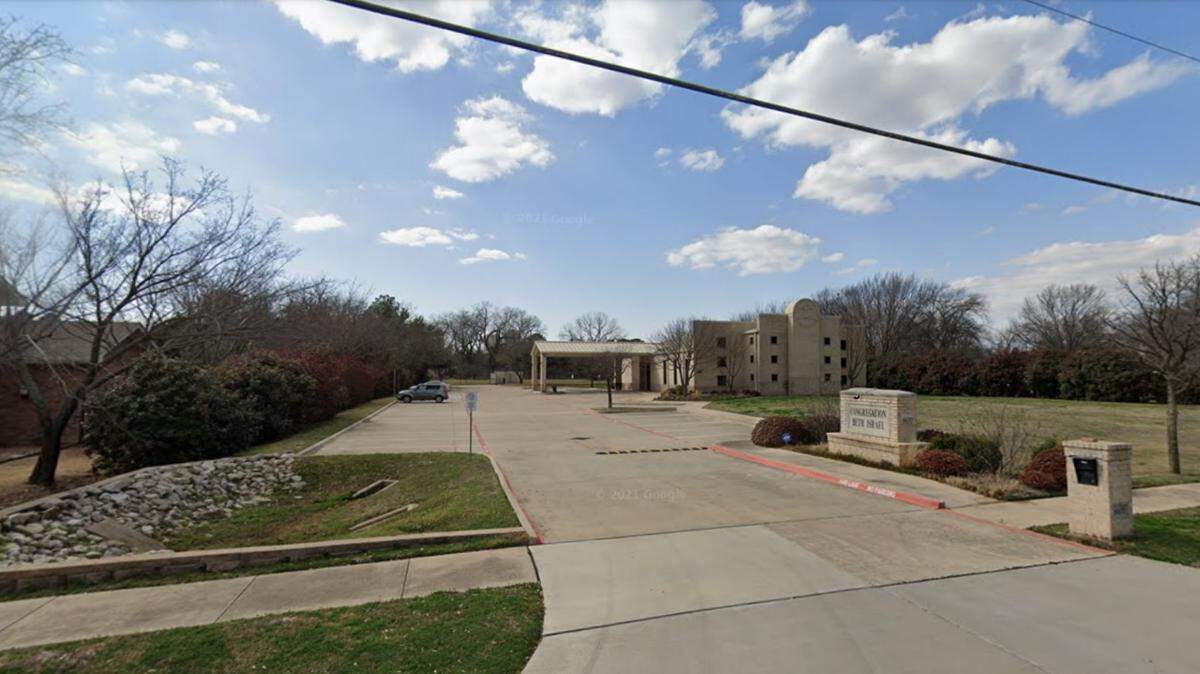
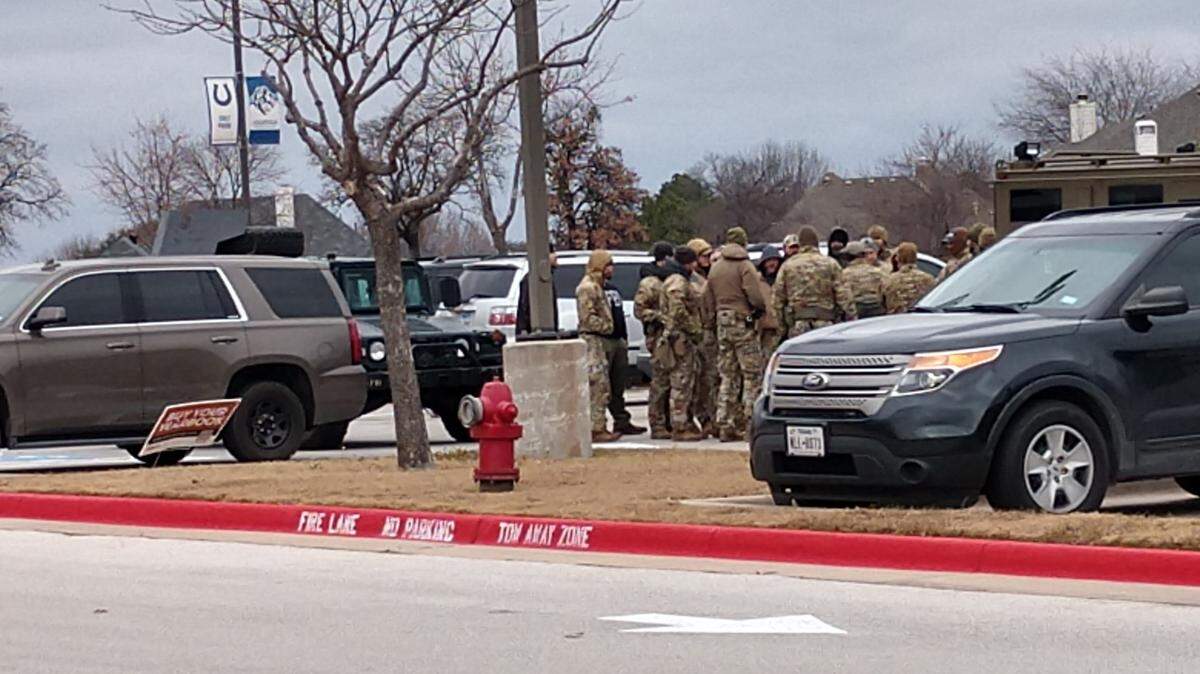
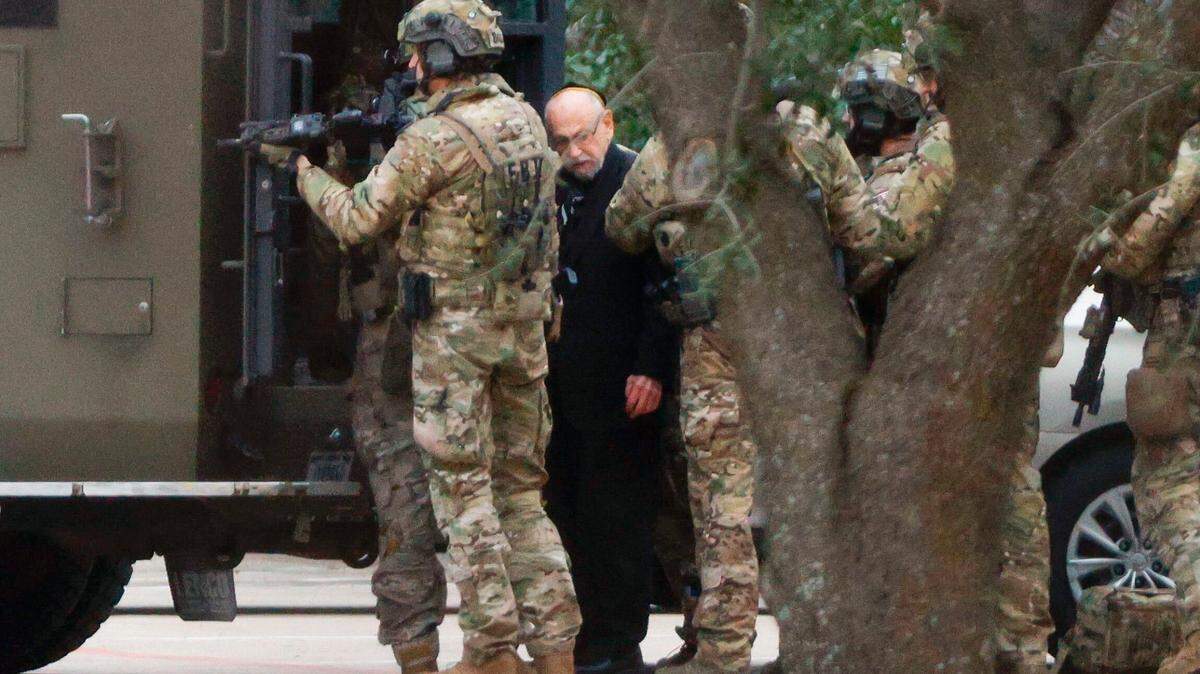
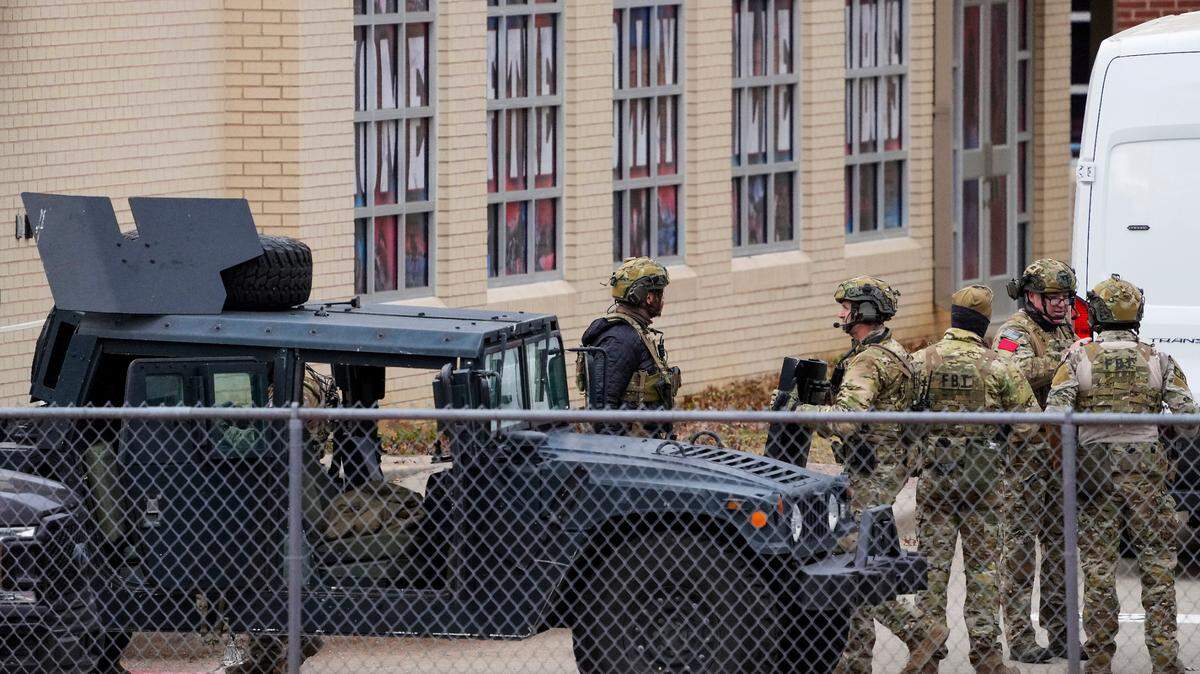
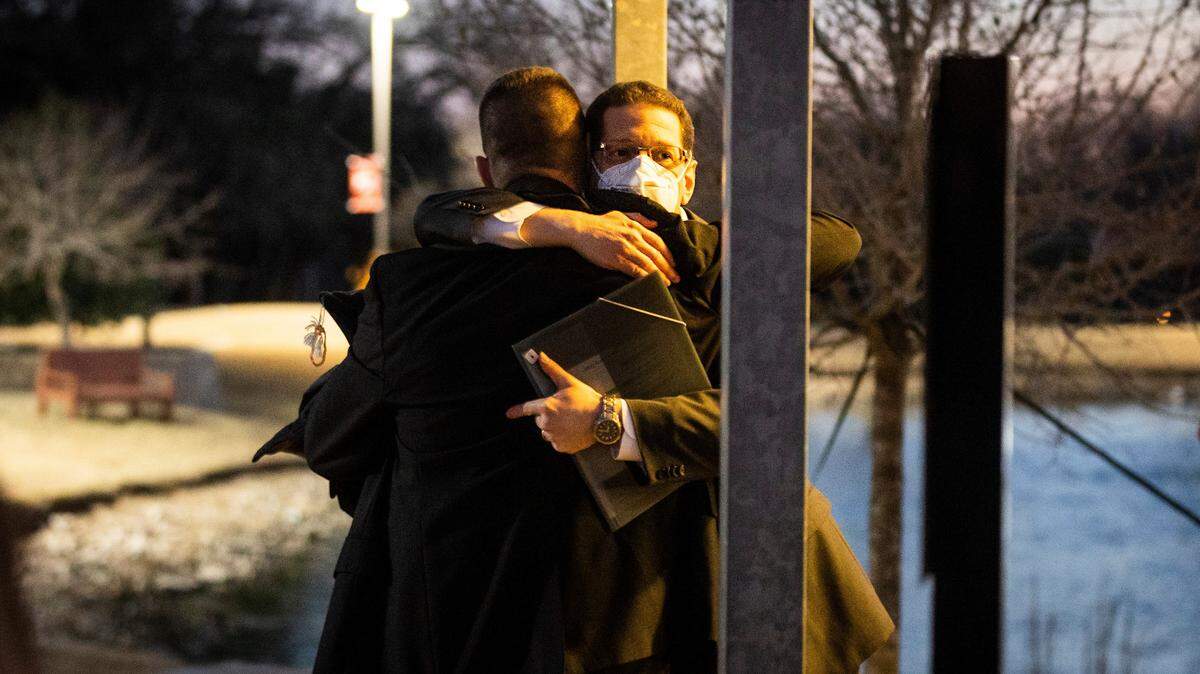
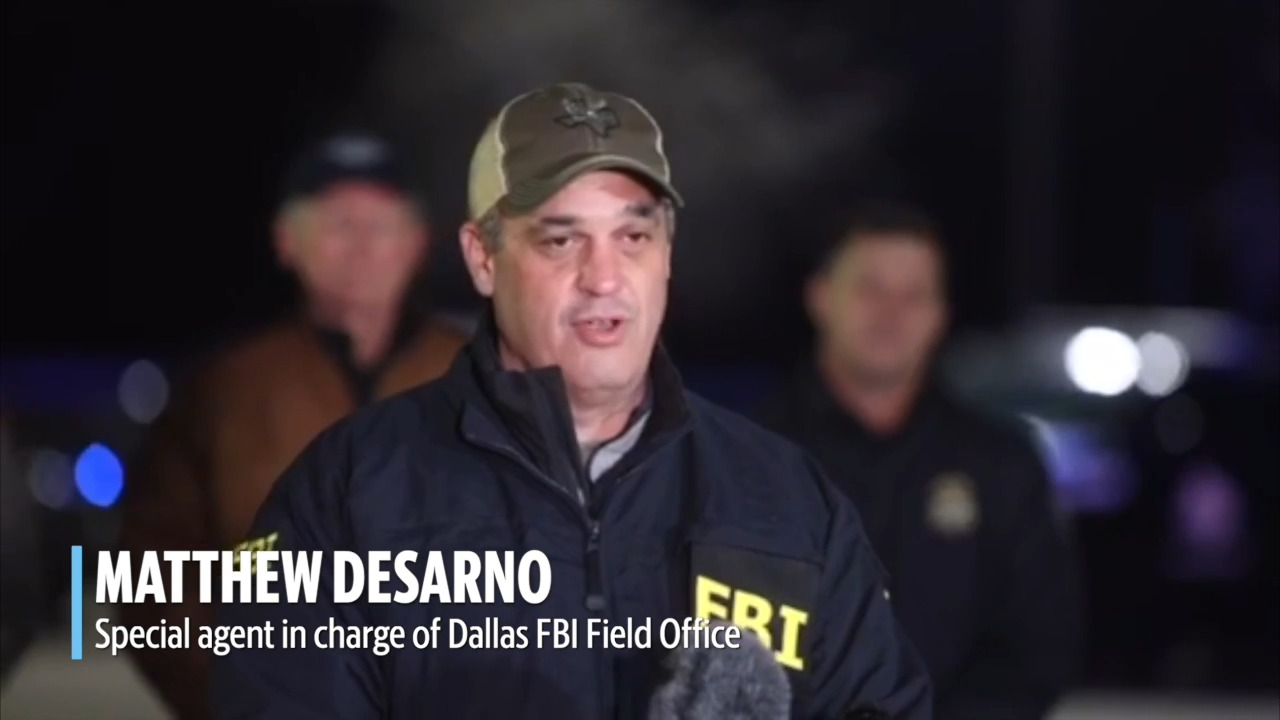
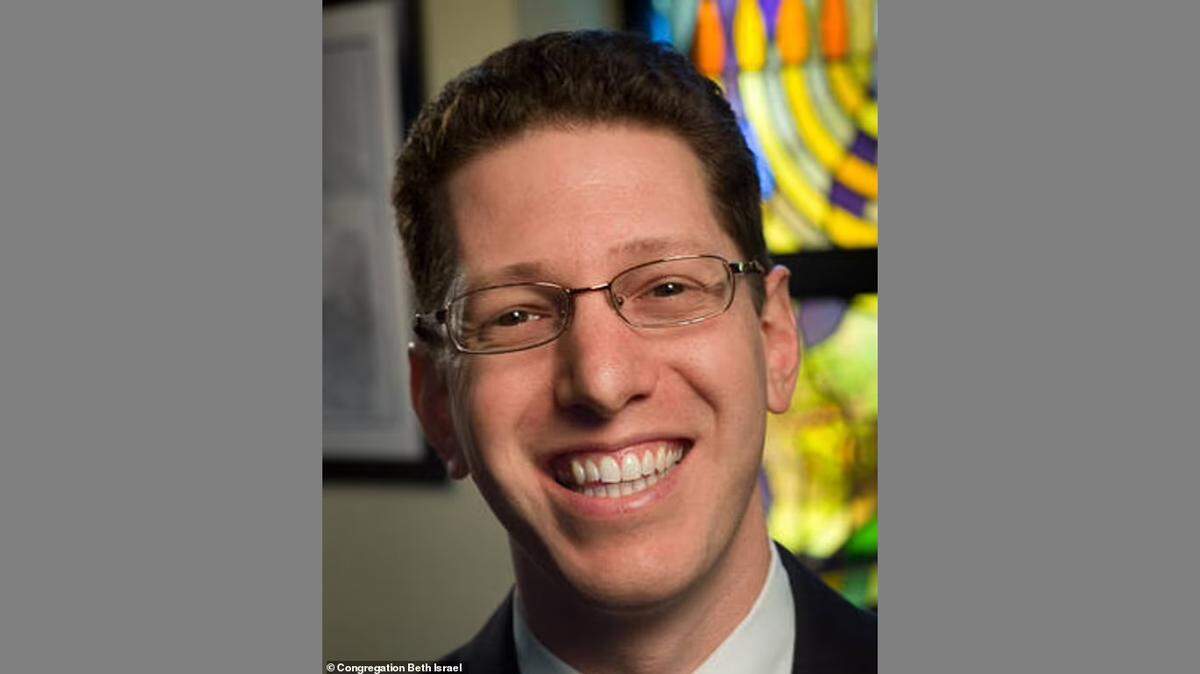
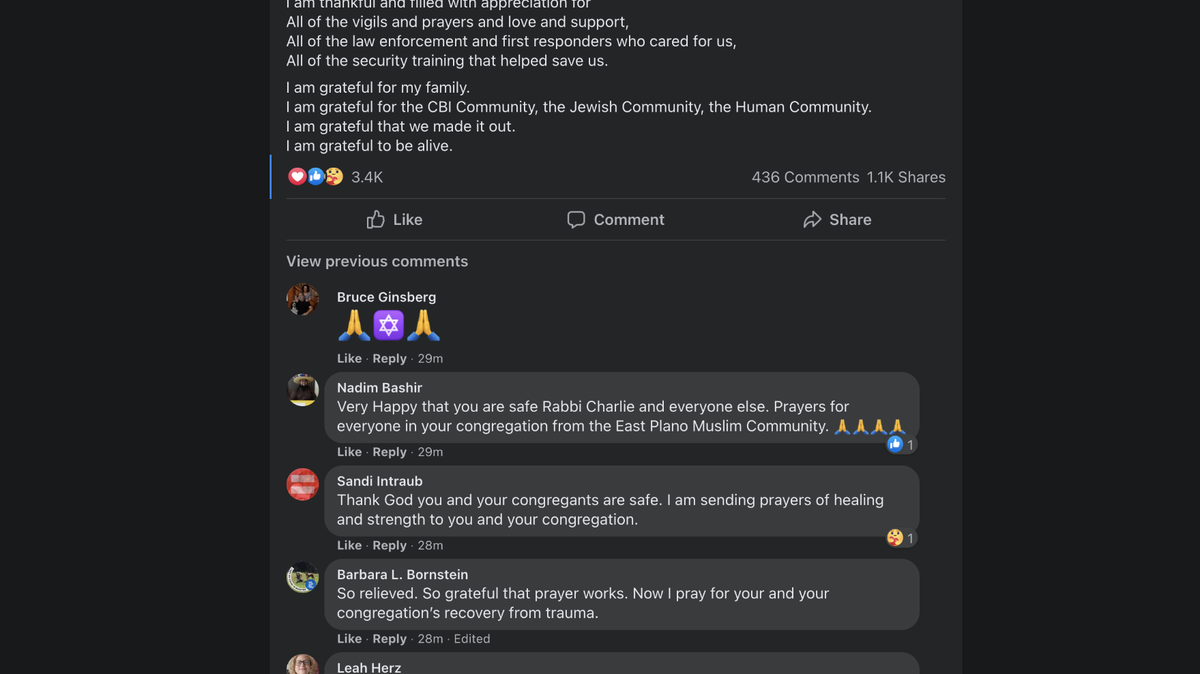
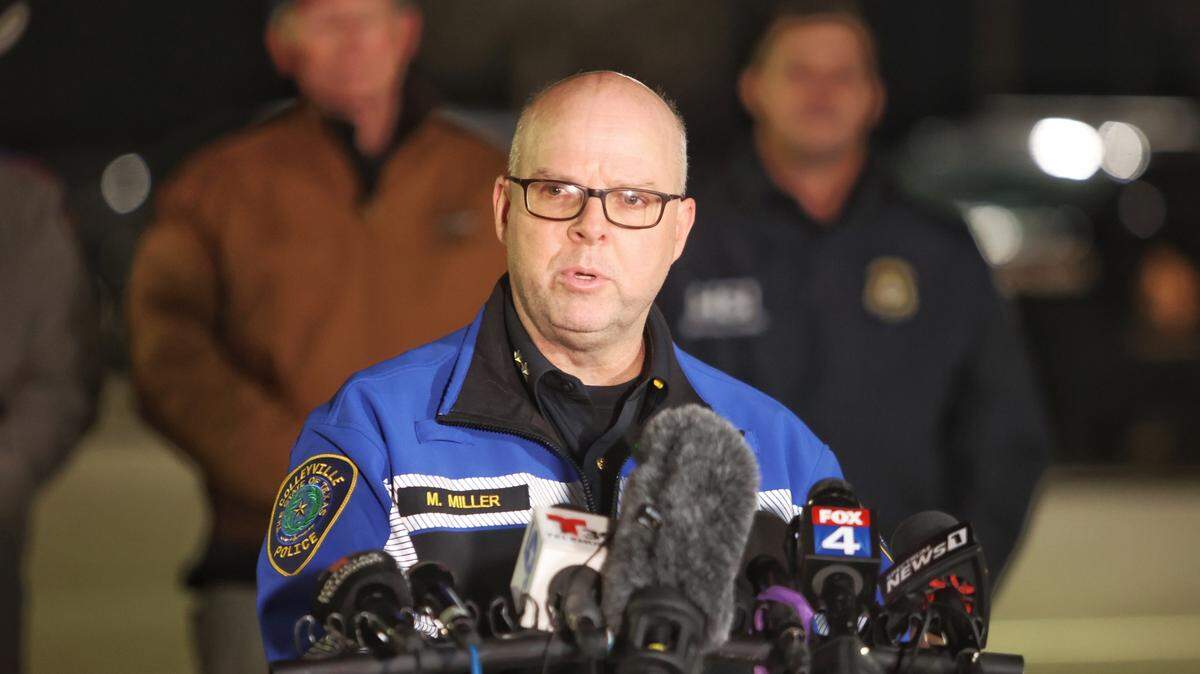
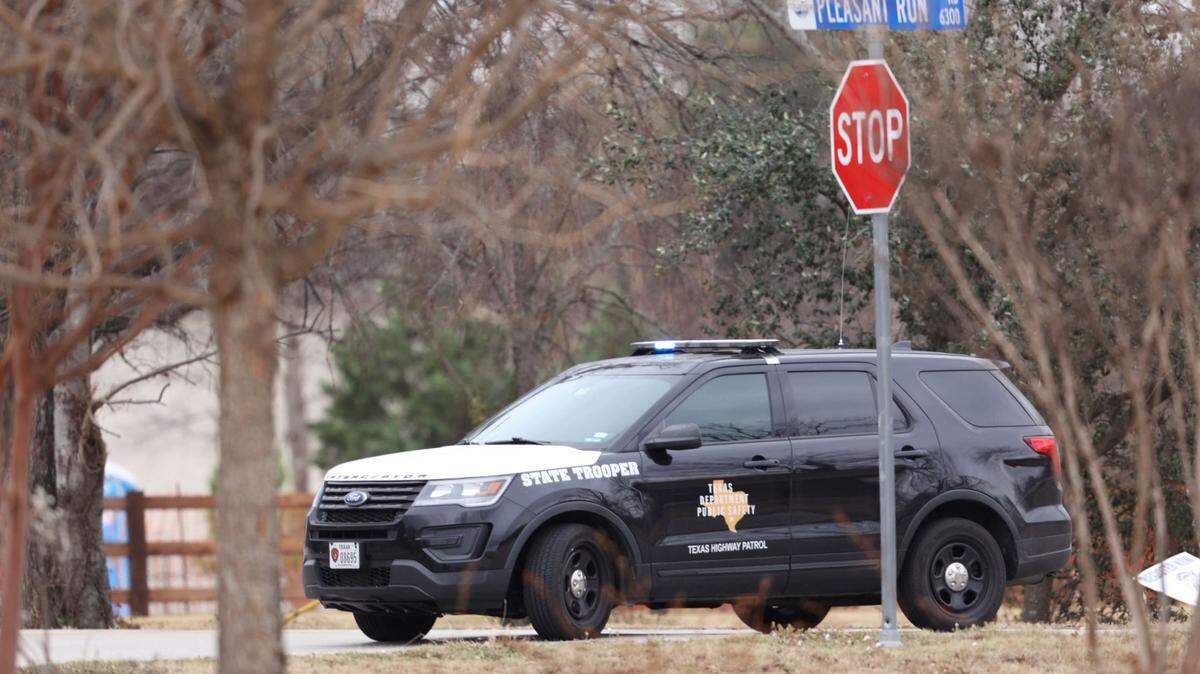
Four hostages escaped unharmed and the gunman died after authorities in Colleyville spent hours negotiating with the hostage-taker at Congregation Beth Israel.
Expand All
Updated late Saturday to reflect the end of the standoff.
Whatever prompted someone to terrorize a Colleyville synagogue Saturday, it is an act of profound evil.
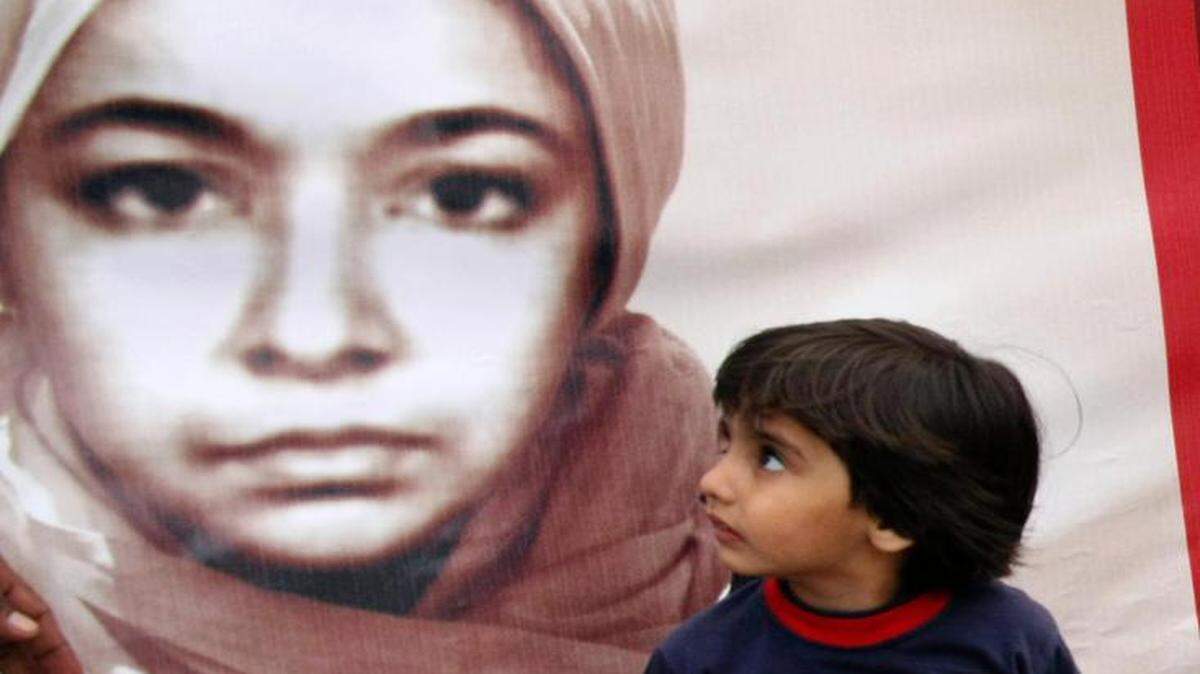
There is much we don’t know about the hostage-taker and his motivations. Several networks reported that the man was demanding the release of a convicted terrorist imprisoned at a Fort Worth federal facility.
But in one sense, it doesn’t matter. Any complaint he has about the U.S. government, the case in question or even Israel doesn’t involve the individuals whose lives he has violated.
Throughout the tense hours, the priority was the safe rescue of the hostages. Officers heroically stormed in and rescued them late Saturday, for which we should all be grateful. Now, it’s important to reflect with righteous anger, to acknowledge the evil done, name it and identify where it comes from.
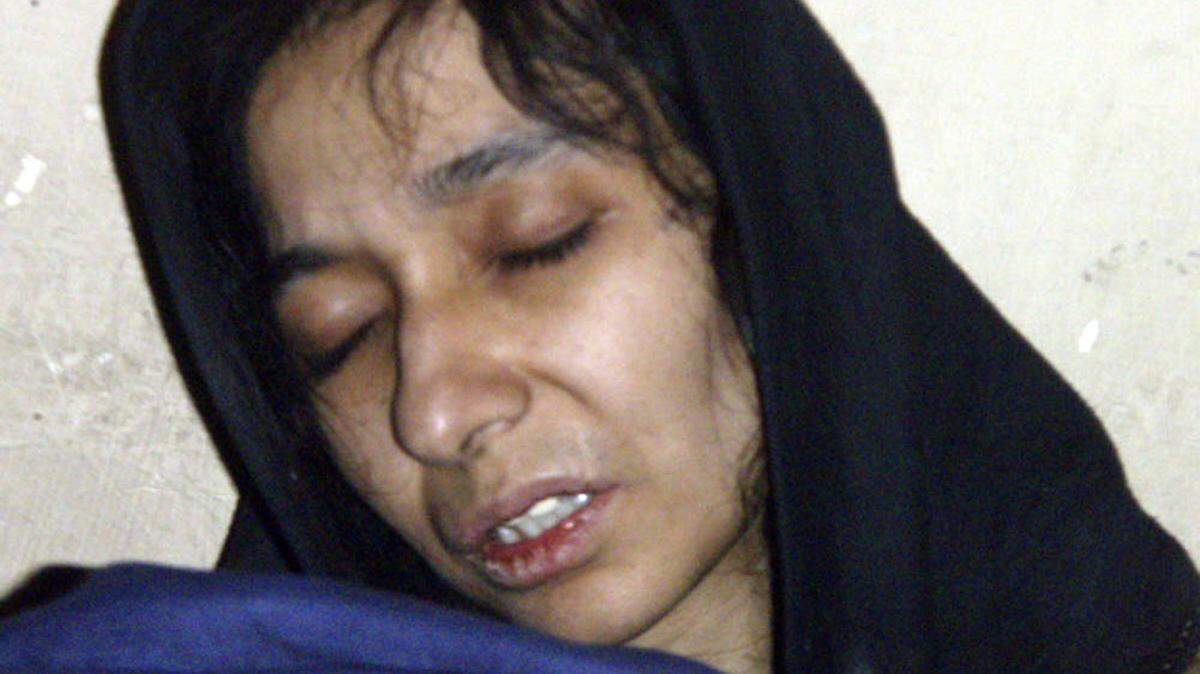
The innocent Colleyville congregants have nothing to do with the case of Aafia Siddiqui, whom the hostage-taker reportedly mentioned. Congregation Beth Israel seems to have been targeted simply because its members are Jewish. Nothing can justify that.
It’s especially twisted to target a religious congregation as it worships in a sacred space. So many houses of faith do so much to help others without regard for whatever political or foreign policy issues are driving us apart.
Jewish people have had to live with general scapegoating for centuries, and synagogues constantly have to deal with specific threats. It was just a little over three years ago that a gunman targeted a worship center in Pittsburgh, killing 11.
The scourge of antisemitism appears to be gaining new ground, in the U.S. and around the world. It’s the refuge of both cowardly white supremacists and some leftists targeting Israel. Jewish Americans are the victims of religion-based hate crimes in stunning disproportion to their share of the population.
Violence in a place of worship is all too familiar here in Fort Worth, too. Just two years ago, a gunman fired upon the West Freeway Church of Christ in White Settlement. Two members died, but a heroic response by an armed church member saved an unknowable number of lives. And more than 20 years later, the horrific violence at Wedgwood Baptist Church still resonates as one of the worst mass shootings in our area.
The hostage situation also reminds us that no matter how much we may want to retreat from the world’s troubles, we can’t. Islamic terrorism has slipped from the radar as the pandemic, geopolitical and economic threats from China and Russian aggression in Europe take center stage.
We know this too well in Dallas-Fort Worth. Osama bin Laden’s administrative assistant, Wadih el-Hage, lived in Arlington and worked in an east Fort Worth tire shop before he was convicted in the deaths of 213 people in the 1998 Nairobi embassy bombing.
In 2015, two Arizona men connected to the Islamic State attacked an anti-Islam rally in Garland that included a “draw Muhammad” cartoon contest.
In our connected world, political violence can appear anywhere. And it can target innocents at any moment. Congregation Beth Israel, sadly, is proof that vigilance is always required.
BEHIND THE STORY
MOREHey, who writes these editorials?
Editorials are the positions of the Editorial Board, which serves as the Fort Worth Star-Telegram’s institutional voice. The members of the board are: Cynthia M. Allen, columnist; Steve Coffman, editor and president; Bud Kennedy, columnist; Ryan J. Rusak, opinion editor; and Nicole Russell, editorial writer and columnist. Most editorials are written by Rusak or Russell. Editorials are unsigned because they represent the board’s consensus positions, not the views of individual writers.
Read more by clicking the arrow in the upper right.
How are topics and positions chosen?
The Editorial Board meets regularly to discuss issues in the news and what points should be made in editorials. We strive to build a consensus to produce the strongest editorials possible, but when we differ, we put matters to a vote.
The board aims to be consistent with stances it has taken in the past but usually engages in a fresh discussion based on new developments and different perspectives.
We focus on local and state news, though we will also weigh in on national issues with an eye toward their impact on Texas or the Dallas-Fort Worth area.
How are these different from news articles or signed columns?
News reporters strive to keep their opinions out of what they write. They have no input on the Editorial Board’s stances. The board consults their reporting and expertise but does its own research for editorials.
Signed columns by writers such as Allen, Kennedy and Rusak contain the writer’s personal opinions.
How can I respond to an editorial, suggest a topic or ask a question?
We invite readers to write letters to be considered for publication. The preferred method is an email to letters@star-telegram.com. To suggest a topic or ask a question, please email Rusak directly at rrusak@star-telegram.com.
This story was originally published January 15, 2022 at 8:11 PM.
.JPG)

.jpg)
%20straightened.jpeg)
.jpg)
.jpeg)
.jpg)