
In Texas Hill Country flood, faith provides meaning for the inexplicable | Opinion
It’s been a week since the flooded Guadalupe River ravaged the Texas Hill Country.
All over the state, the sense of shock and disbelief is fading, the reality of what has been lost and what remains to be done slowly sinking in.
The human loss is almost unimaginable; more than 100 dead and close to twice that number still missing.
So many of the lost are children.
We as a society are not accustomed to dealing with death, especially that of the young.
There was a time in human history when child mortality was commonplace, whether by war or disease, and there sadly are still parts of the world where this is the case.
I recently read a book about Nazi-occupied Warsaw, when the city’s population was indiscriminately bombed, shot and burned to death. Many of the 200,000 killed during the 63 days of the Warsaw Uprising were children, a reality the author, a survivor, mentioned almost dispassionately.
But in the U.S. in 2025, the notion that otherwise healthy children will not reach adulthood is something far beyond our comprehension.
We’re not quite sure what to do or what to say. Nothing feels sufficient.
Because nothing about it makes sense.
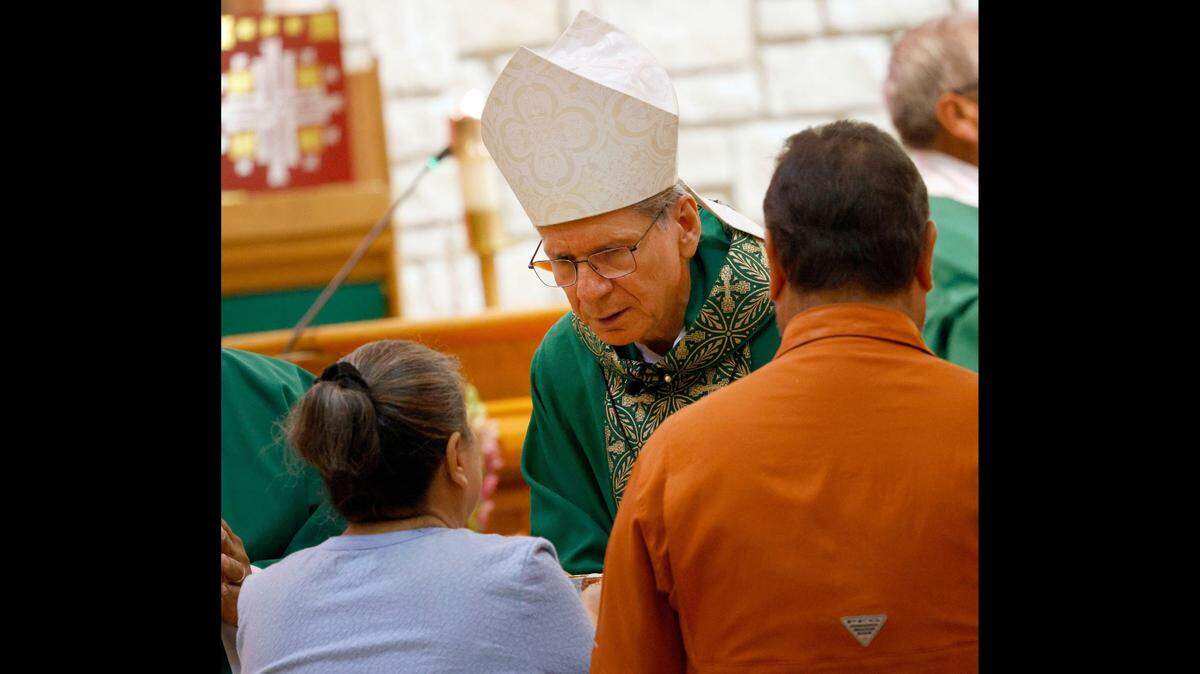
In such times of profound tragedy and confusion, many of us turn to our faith.
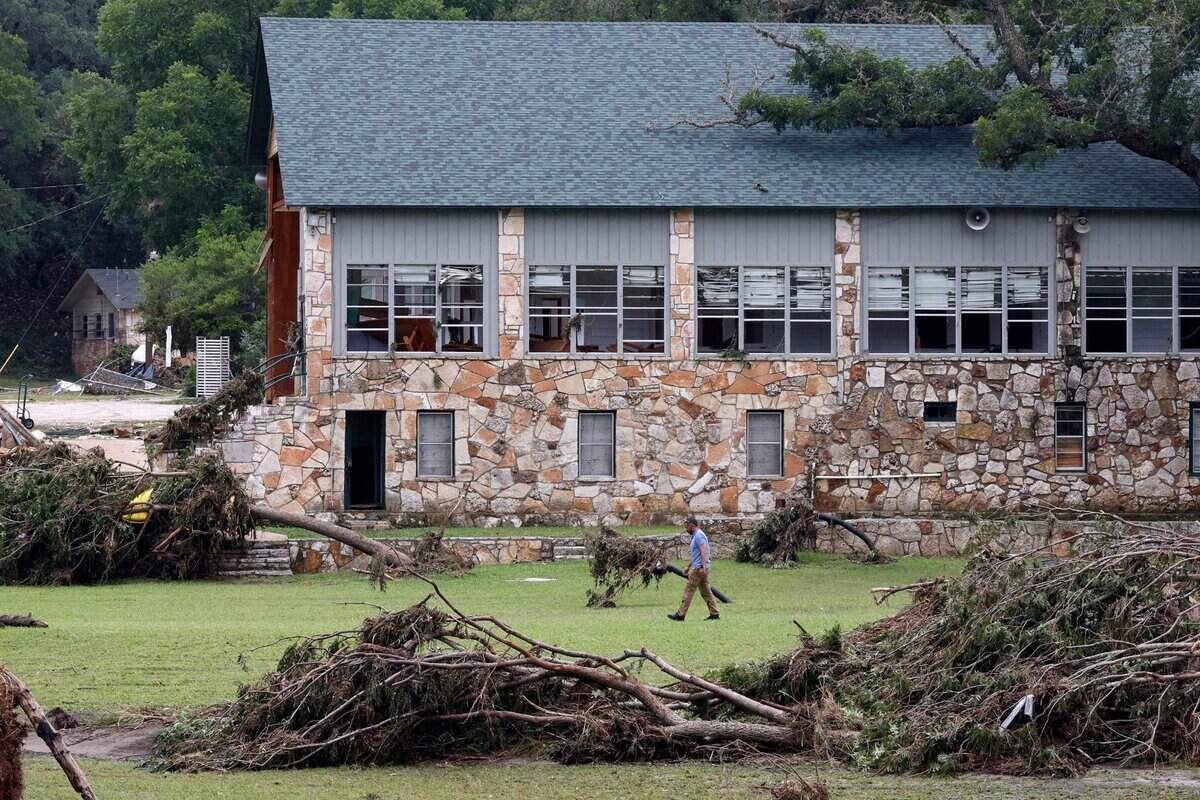
I’ve seen some on social media call it ironic that Camp Mystic is a Christian camp.
Where was God while the waters were rushing?
What good were all the “thoughts and prayers” offered when they were answered only by death and despair?
I’ve also seen no shortage of derision of the faithful families of victims, many residents of deeply religious Kerr County, who have asked for and expressed thanks for the prayers of strangers and have even expressed gratitude to God for his provision amid unfathomable loss.
Provision? Amid such desolation?
For people of little or no faith, such a notion is baffling.
Many of the youngest flood victims are from the iconic Camp Mystic, the name of which struck me.
Mystic describes something otherworldly, mysterious.
It’s a word that somehow suits not only the nature of the flood which seems almost biblical, but the collective of people of faith response to its carnage.
Whether in person, social media or the printed word, there have been endless requests for and offers of prayer and supplication.
Not just for miracles, although our collective cry has gone up for those, but for peace and understanding of what cannot possibly be comprehended on this side of heaven.
Just as it is unconscionable to exploit this tragedy for political reasons, it’s folly to attempt to understand why this magnitude of suffering is allowed to occur.
Those who would blame the victims and their political or religious beliefs or mock those beliefs for their futility attempt to provide a moral framework that any thinking person would recognize does not apply to the world in which we live.
If the arc of human history confirms anything, it’s that innocent people die.
Good people suffer.
And sometimes, nobody is at fault.
As a society, there’s a tendency to think that the only way tragic events can be atoned for is by some material adjustment being made in its wake: new political leadership, a policy change, a new system, a new law.
In the days and months and years to come, such changes may come to pass and they may be good, even overdue.
But my guess is that any meaning to be derived from so much tragedy is far less practical and much more spiritual in nature.
A friend said something to me recently that I’ve thought about every day since the flood: “In the economy of God, nothing is wasted.”
She made this statement in response to a tragic and unexpected loss of a child when she witnessed a diverse and secular community come together to pray without ceasing.
Even those of us who trust in a higher plan are and may well be mystified for the rest of our lives about why this tragedy was allowed to occur and what purpose could possibly be written into it.
We also concede the possibility that millions of people all over the world beseeching our creator isn’t just a consequence of or response to tragedy, but that our prayers might very well serve as the divine meaning that was intended all along.