How YouTube won, TV lost on the Stephen Colbert-James Talarico show | Opinion
AI-generated summary reviewed by our newsroom.
- FCC enforces equal-time rule against candidate appearances on broadcast talk shows.
- CBS moved Colbert segment to YouTube, drawing 7.5M and sidestepping FCC rules.
- Industry figures say broadcast rules fail today’s digital landscape and First Amendment.
CBS’ Stephen Colbert has more friends than he ever knew.
Even some he might not want on his show.
TV and radio industry veterans — both Democrats and Republicans — want the federal government to leave their shows alone.
They repeated that after CBS lawyers balked at airing a segment of “The Late Show with Stephen Colbert” under new FCC guidelines regulating over-the-air candidate interviews “motivated by partisan purposes.”
If Colbert illegally favored U.S. Senate candidate James Talarico by interviewing him on a broadcast TV network, what about all the other candidate interviews on over-the-air TV and radio talk shows?
The only difference in Colbert interviewing Talarico and syndicated radio hosts Sean Hannity or Glenn Beck interviewing Ken Paxton is that Colbert’s show has a TV picture.
The law is the same.
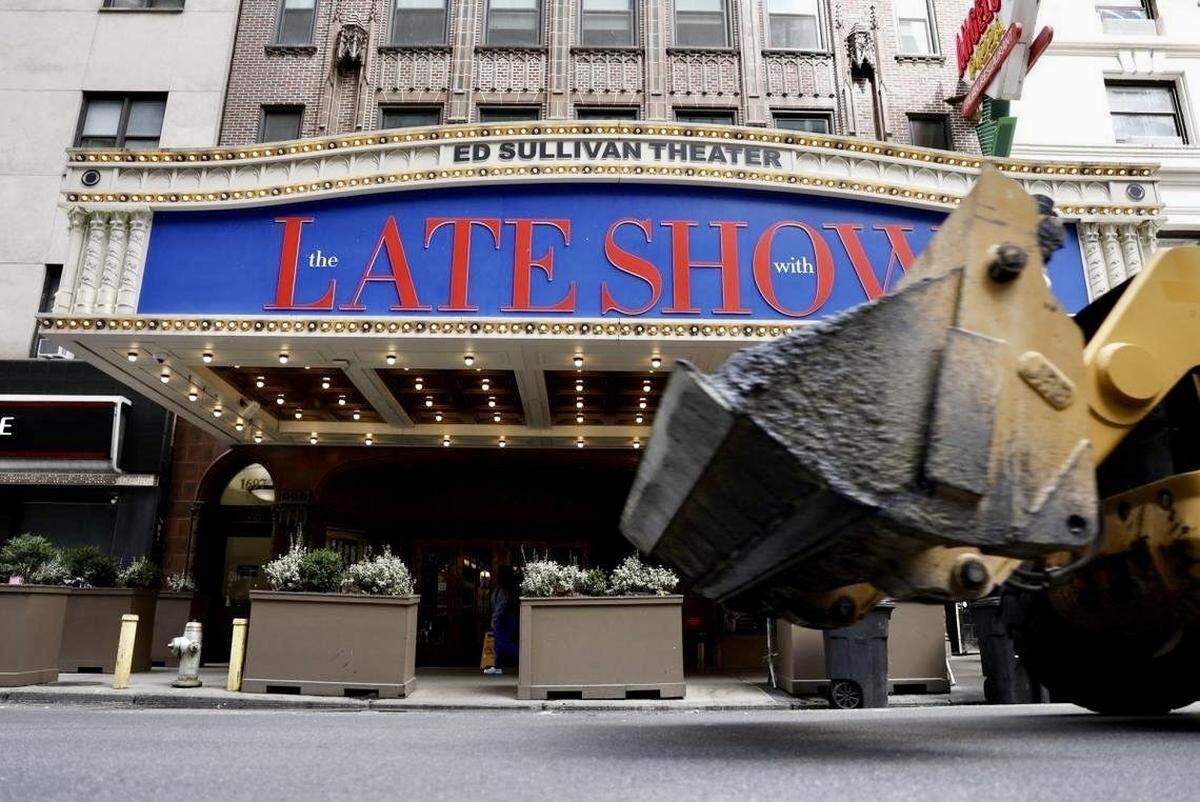
Frankly, the reaction to CBS’ caution was a living example of why broadcast TV and radio have declined for 30 years.
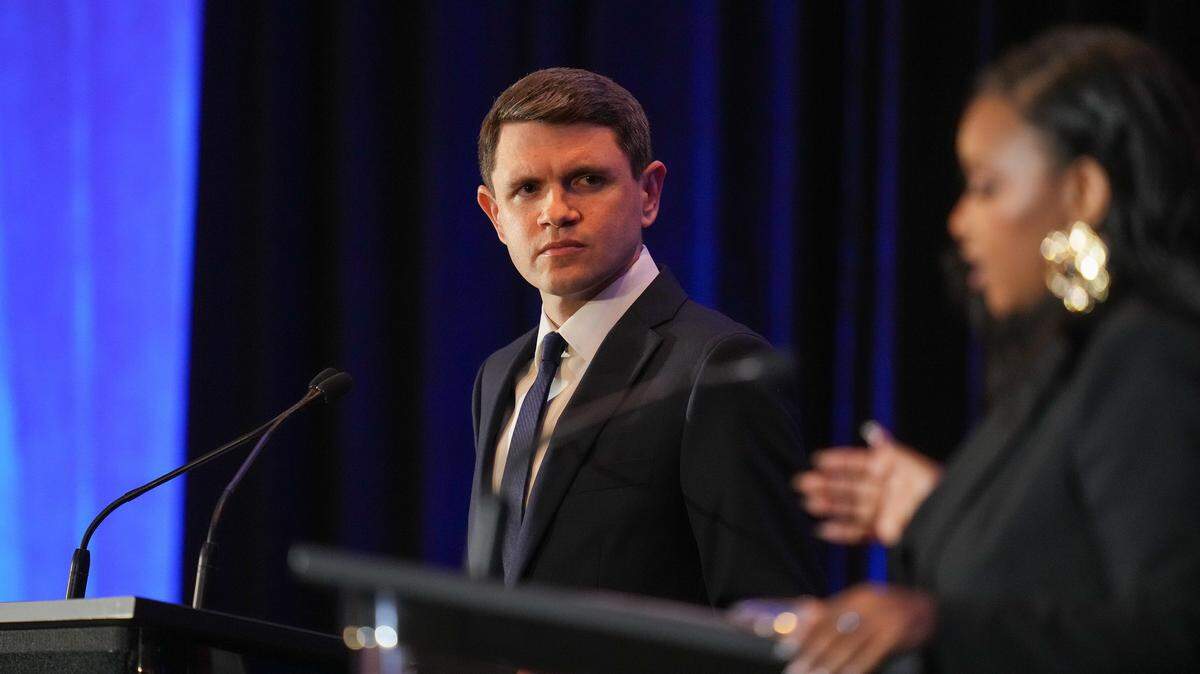
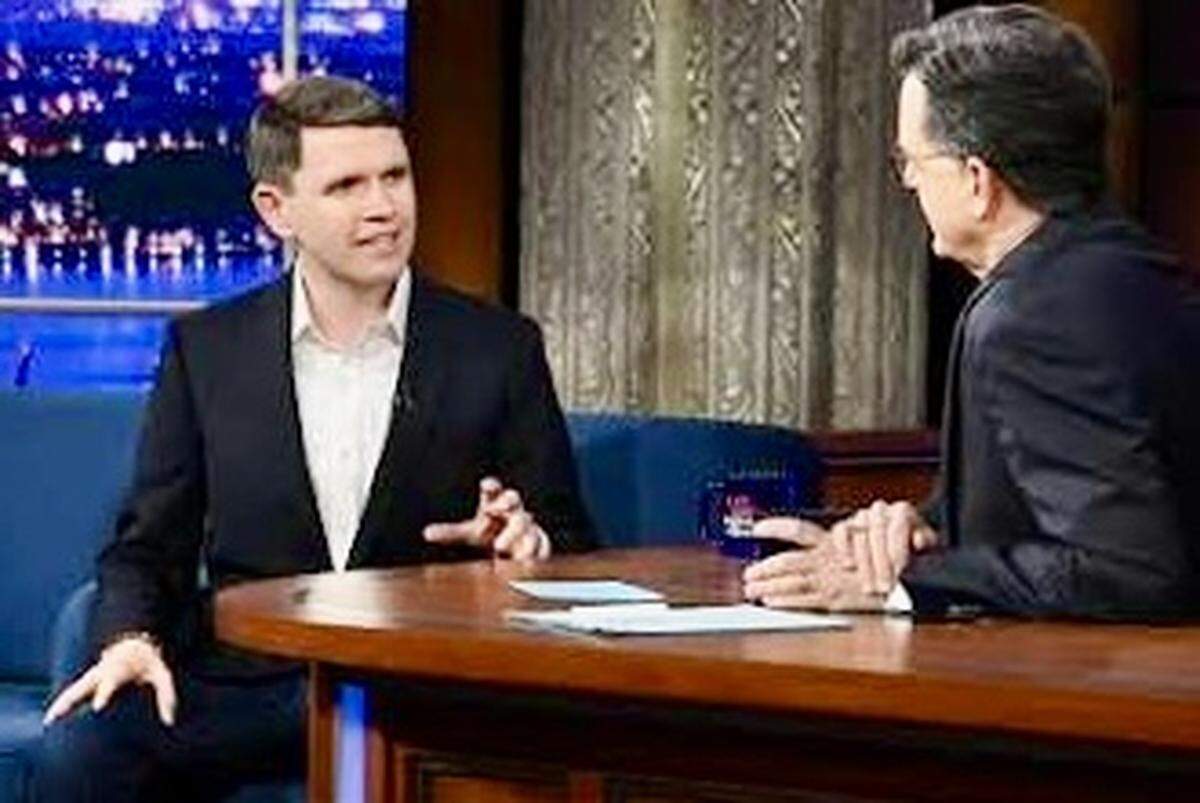
When CBS told Colbert the federal rules wouldn’t allow a Talarico interview without offering comparable exposure to opponents Jasmine Crockett, a previous guest, and Ahmad Hassan, the show went on — but on YouTube.
Within two days, 7.5 million viewers watched.
Over-the-air TV and radio are federally controlled. Cable, satellite, subscription and streaming shows are not.
That’s why every show on cable or streaming TV or audio is more interesting than almost anything over the air.
And that’s why YouTube now has more viewers than broadcast and cable TV combined. Viewers younger than 30 also watch more TikTok.
Streaming video is lightly regulated. But over-the-air TV and radio answer to government overseers such as Federal Communications Commission Chairman Brendan Carr, the agency’s former attorney.
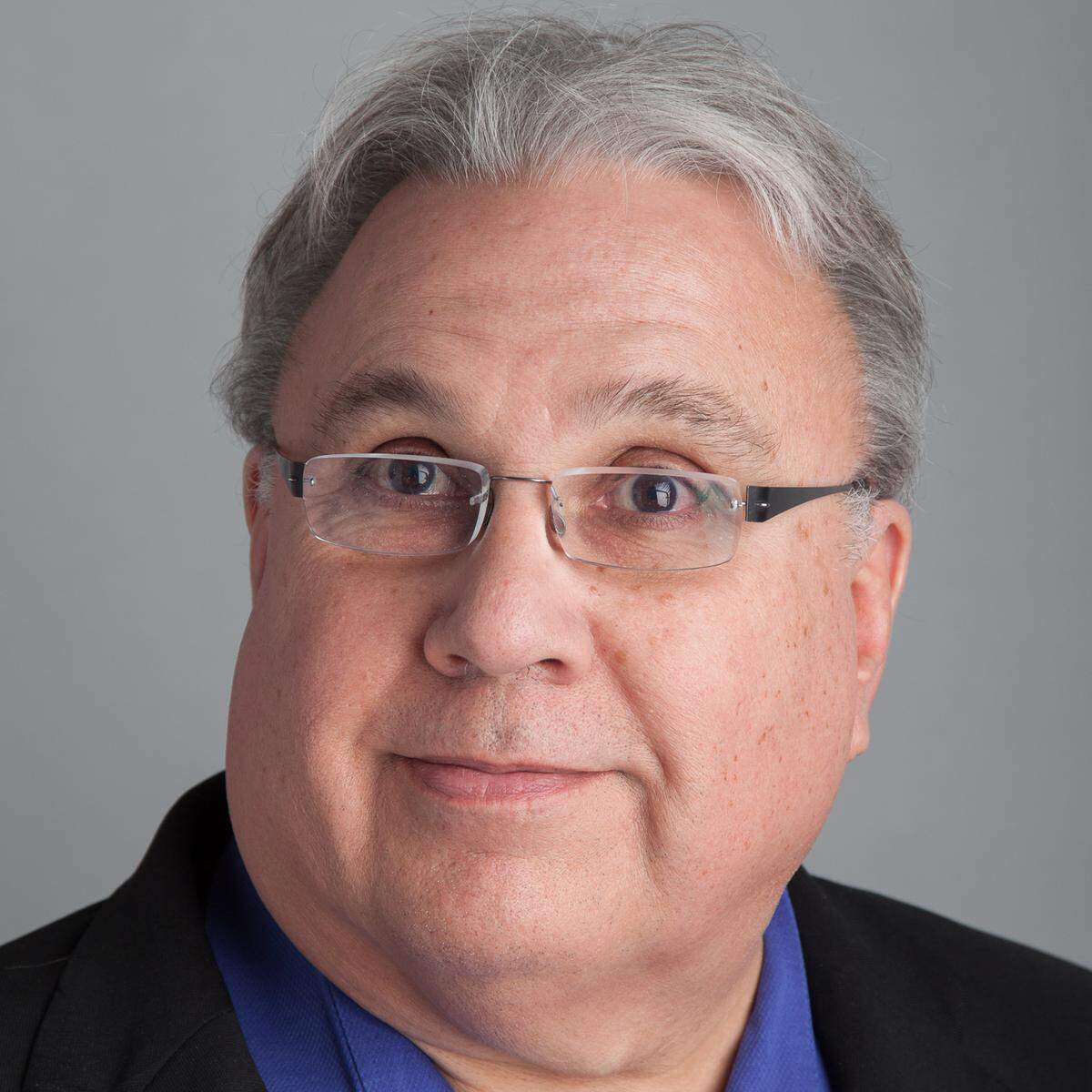
Michael Harrison is the publisher of Massachusetts-based TALKERS magazine, covering the industry in print and now online for 35 years.
FCC regulation made sense back when there were few TV and radio stations, he said in an email. It was not until the 1970s that North Texas’ TV options grew from four TV stations to eight, with about 20 FM and AM radio stations available most of the day.
That was 50 years ago.
“Now we have an exploding digital environment of limitless options,” Harrison wrote.
Viewers see news and opinion as entertainment.
The FCC “weighing subjective ideals has been largely motivated by politics,” Harrison wrote, calling the tighter rules “an attack on the First Amendment.”
He added: “The FCC needs to recognize that there are no legal grounds for regulating radio and television differently. That is, unless the announcers are performing naked.”
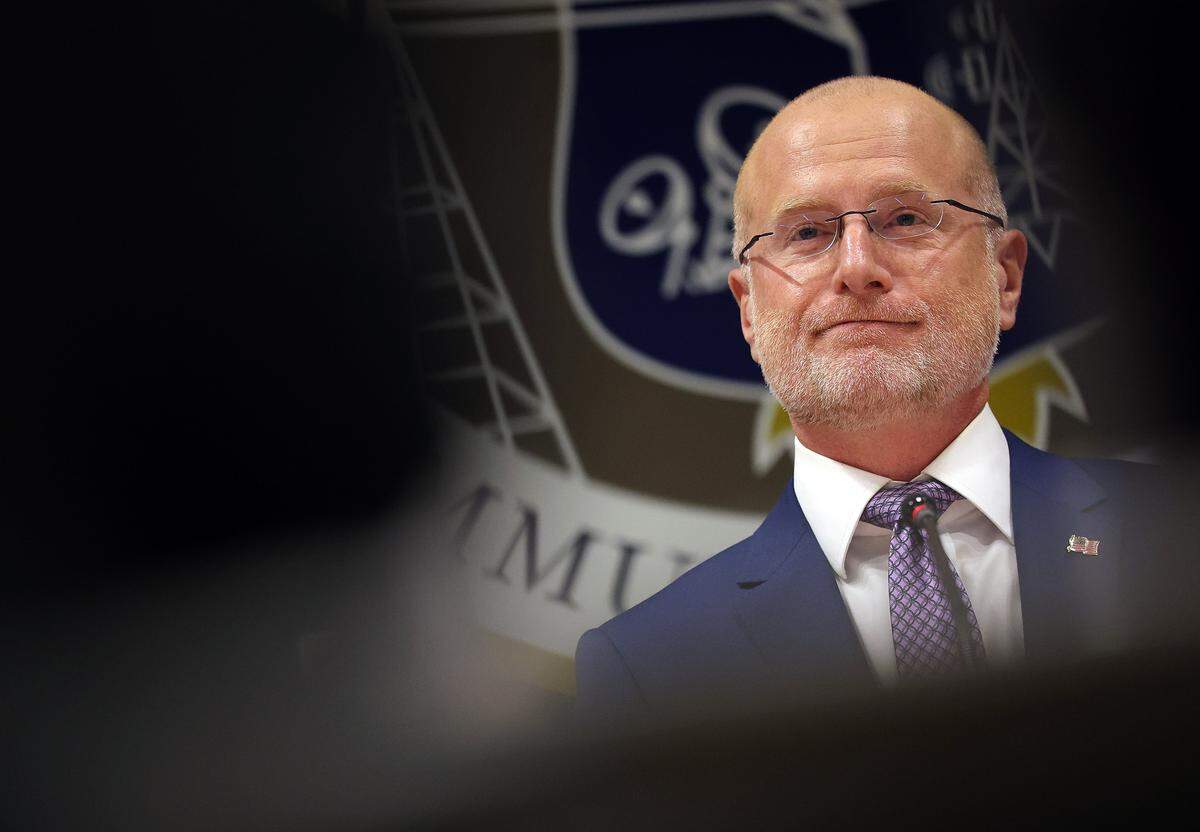
The FCC doubled down on new rules. After Colbert’s show, Carr said the equal-time rule will apply “across the board” and that the agency is investigating ABC”s “The View” for a possible fine.
Carr described the rule: “If you’re going to have a legally qualified candidate on, you have to give comparable time and airtime to all other legally qualified candidates. And we’re going to apply that law.”
The “equal time” law is specific to elections and registered candidates. It’s different from the old “Fairness Doctrine” requiring balanced viewpoints.
The law doesn’t apply to news shows or documentaries. The FCC is enforcing the ancient law only against broadcast TV entertainment shows.
The Los Angeles Times quoted Hannity, a 35-year radio host, in January: “We need less government regulation and more freedom. Let the American people decide where to get their information from without any government interference.”
Hannity said much the same thing in his foreword for a 2009 book, “Censorship: The Threat to Silence Talk Radio.”
Former local radio host Jody Dean, known for his work on music stations, was also a talk-show host for eight years on CBS Radio’s KRLD, now part of Audacy.com.
He said the FCC should also apply its new guidelines to radio.
“It’d be fun to see how radio owners would contort if a whole bunch of people suddenly started doing exactly that,” he wrote by email.
But he generally supports regulation.
“Deregulation of the broadcast industry was one of the best-intentioned really bad mistakes we ever made,” he wrote.
“Taking down all the speed limits and guardrails made a bunch of huge companies a lot of money for a while, but look at the pileup now.”
Carr lashed out at Talarico for blaming the FCC, saying the Texas candidate was running “a hoax ... for the purpose of raising money and getting clicks.”
He called the clash “a perfect encapsulation of why the American people have more trust in gas station sushi than they do in the national news media.”
We trust the government least of all.
This story was originally published February 19, 2026 at 11:36 AM.