Bob Schieffer’s Vietnam legacy: photos, Star-Telegram letters revealed | Opinion
AI-generated summary reviewed by our newsroom.
- Schieffer’s exhibit highlights newsroom life and local color in Fort Worth.
- Letters and telegrams reveal public response and newsroom details.
- Editor’s notes show how newsroom economics influenced Schieffer’s assignment.
Bob Schieffer was back home having fun again this week, and some of the fun was unexpected.
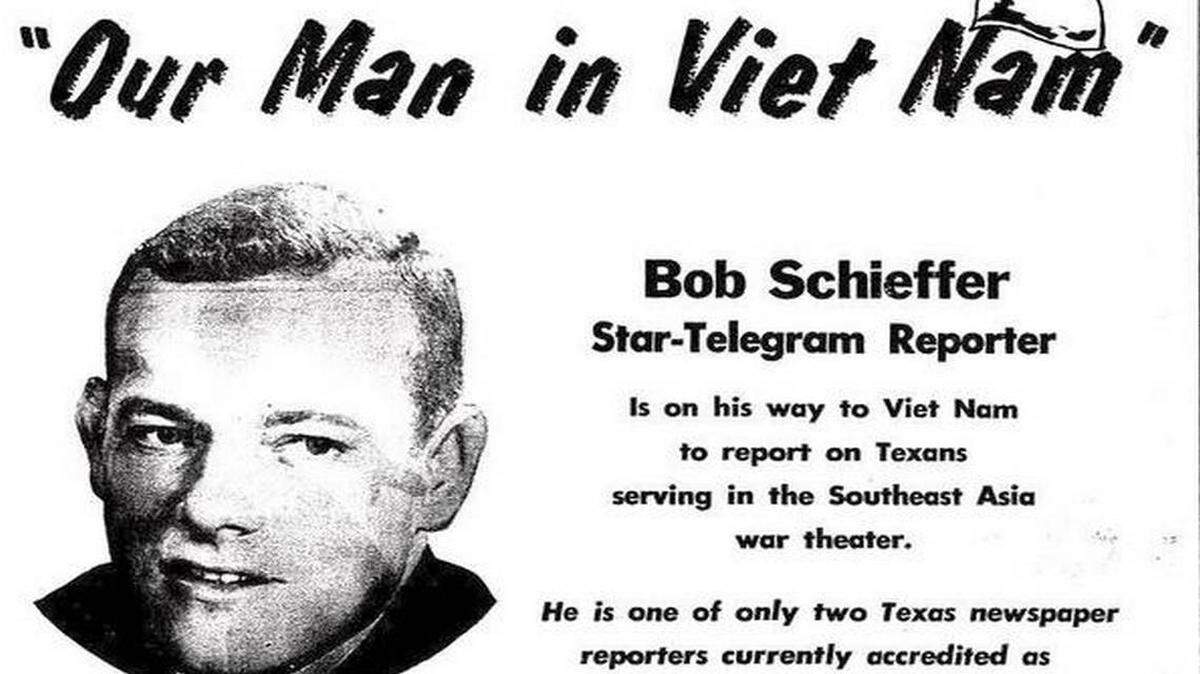
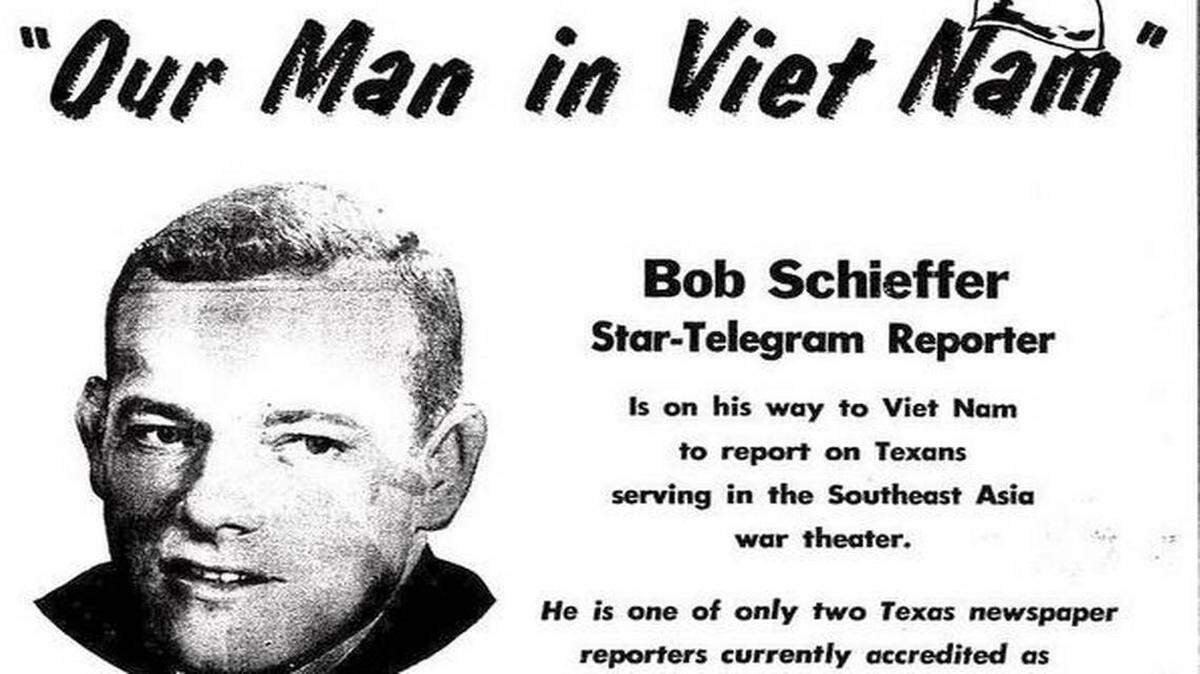
Along with his career-changing 1966 photos and interviews with dozens of Texas soldiers in a tour of war zones in Vietnam, Schieffer also brought home a peek into the history of American newspapers and the Star-Telegram.
Along with Schieffer’s stunning “Our Man in Viet Nam” photos and portraits of soldiers at war, the University of Texas at Arlington is now also the proud home of the 40-year CBS News anchor and host’s work memos and papers from his earlier career at the Star-Telegram.
Here under glass or preserved online are typed and handwritten letters from Editor Jack Butler and the iconic voices of Amon G. Carter Jr.’s Star-Telegram — writers such as Elston Brooks, Jerry Flemmons, Jon McConal, Lloyd “Cissy” Stewart and more.
And here are the management memos and papers that reflect the reality of an American newspaper in the mid-20th century: back-and-forth notes to Vietnam about expense accounts and carbon paper; Schieffer’s pay stub for $125 a week; and a gentle nudge to send back that camera photographers Harry and Jerry Cabluck loaned him.
For all today’s good-old-days talk about print newspapers, the Star-Telegram of 1966 was thrifty.
(Not as thrifty, however, as the competing Fort Worth Press, where we had to turn in an old pencil stub to get a new one.)
The staff was stretched across two editions, morning and evening. In one memo, editors worried that they couldn’t hire anybody for the night staff while Schieffer was gone.
In another, Butler explained gently that the Star-Telegram couldn’t buy insurance on Schieffer in a war zone, so instead the newspaper would self-insure him up to $20,000.
There are also the news updates from Fort Worth.
“If you think the war is going great in Saigon, you should see Commissioners Court,” Butler wrote, describing a contracting scandal.
McConal wrote a vivid and unprintable description of a divorce trial that included a wife threatening a local attorney’s lower regions with pinking shears.
Reporter Jim Jones, later one of the nation’s premier religion writers, wrote to Schieffer about Francisco Elementary in Haltom City sending gifts and candy to a Saigon orphanage. The school principal was Alliene Mullendore, mother of future U.S. Rep. Kay Granger.
The archive also includes dozens of letters from Star-Telegram readers.
The owners of the notorious Cellar nightclub in downtown Fort Worth, Pat Kirkwood and Jim Hill, sent a telegram: “Swing on daddy tell chopper boys party on us upon return.”
A teenage girl from small-town Seymour wrote a stirring letter praising Schieffer for stories about troops’ “sacrifice and courage” and saying, “We young people are behind them all the way!”
She added: “P.S. I am sixteen years old and a sophomore at Seymour High School. I am five feet tall and have blond hair and blue eyes. My address is ... “
Then, another letter from the editor brought the exhibit back to reality.
“The raises went out yesterday,” Butler wrote Schieffer. “You were in the pot for another $10 a week. I wish it was $100 week, but we made so many promises to get this assignment I was afraid to go too much.”
It paid off for the next 60 years.