Church wants Fort Worth’s OK on housing for trafficking victims. But will it serve all? | Opinion
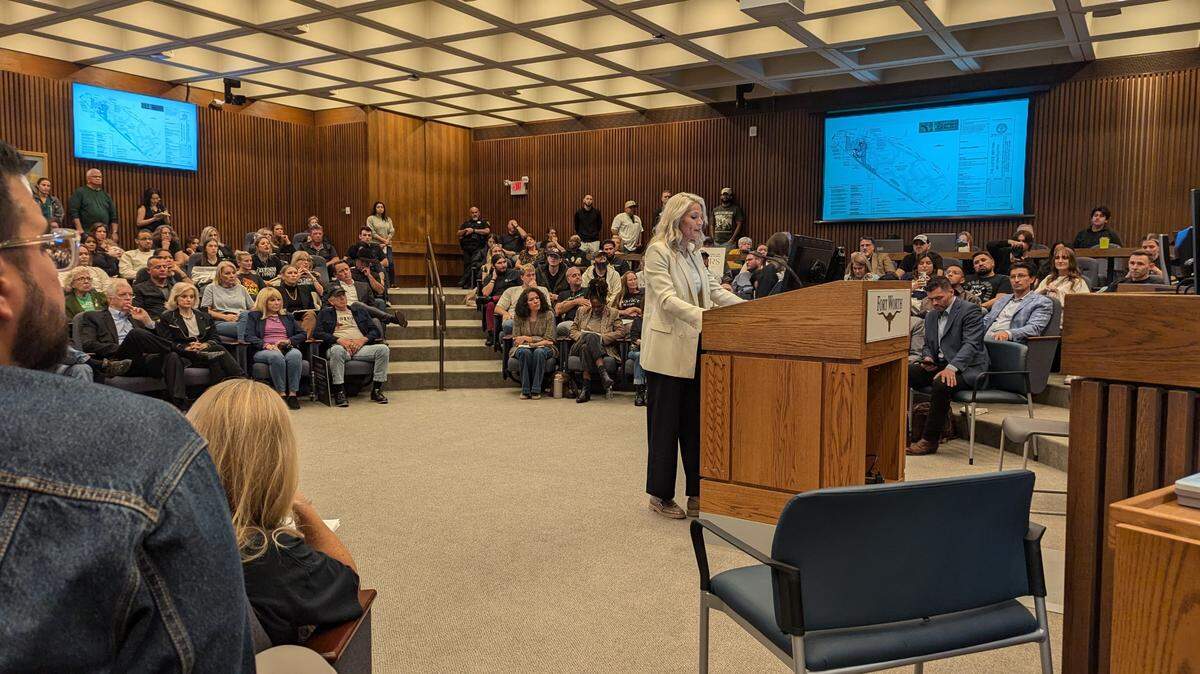
For the same reasons most readers wouldn’t skip Monday Night Football for a colonoscopy, I suspect you haven’t been to many Fort Worth Zoning Commission hearings. I am pretty sure, however, that they usually don’t have dozens of people wearing “ABORTION IS MURDER” tees.
Mercy Culture Church, a mega-church advertising six outposts across the Dallas-Fort Worth area known for slamming their neighbors as “witches and warlocks,” flooded the 240-seat Fort Worth City Council room with hundreds of their members, many of them dressed in church-branded apparel. They believe God told them to build a shelter for sex trafficking victims on their Oakhurst campus.
I’m not being as snarky as you might think. When Mercy Culture pastor Heather Schott, who is leading the charge for what they’ve titled The Justice Residences, was asked by the commission about how they decided on constructing 100 residential units in their dorm, she curtly replied: “Prayer. The Lord said it. We obey.”
Unfortunately for The Justice Reform, Mercy Culture’s nonprofit managing the church’s divinely ordered midsize residential complex, hundreds of the church’s neighbors missed his memo.
The Oakhurst Neighborhood Association claims the Justice Residences would violate the current zoning ordinance because it doesn’t qualify as a church-related activity only. The association also objected on the grounds that building this shelter would attract crime and traffic congestion to their community.
Each of these arguments from the neighborhood would reinforce a bad precedent.
Weaponizing the latent threat of crime is a handy way of ensuring nothing gets built, especially services such as housing and public transit that cater to low-income residents. “You are more concerned about too much traffic than those being trafficked,” Schott said in her Instagram Live reaction, where she astutely noted other large residential developments built in recent years. Meanwhile, defining church-related activities narrowly enough to exclude a shelter, would exclude plenty of religiously oriented work.
Neighborhood association members insisted that they aren’t against helping trafficking survivors, but their reasoning for opposing the Justice Residences could easily shut down any good endeavor.
I don’t want to speak to what association members think beyond what they argued. Neither do they, it seems, as they haven’t responded to my request for a more expansive conversation about what kind of developments they do and don’t support. (They weren’t alone. Schott wouldn’t discuss it when I approached her at the meeting.) But I can get why someone wouldn’t be inclined to support someone who treats a neighbor’s generic bureaucratic disagreement as “insane demonic resistance.”
According to Pastor Landon Schott, Heather Schott’s husband and Mercy Culture co-founder, Oakhurst residents and zoning commission bureaucrats alike aren’t merely misguided, or even gravely wrong on moral grounds. That would be too tame, too charitable. Likewise, neighbors who vote for a Democrat are “fake Christians” supporting the “demon party.”
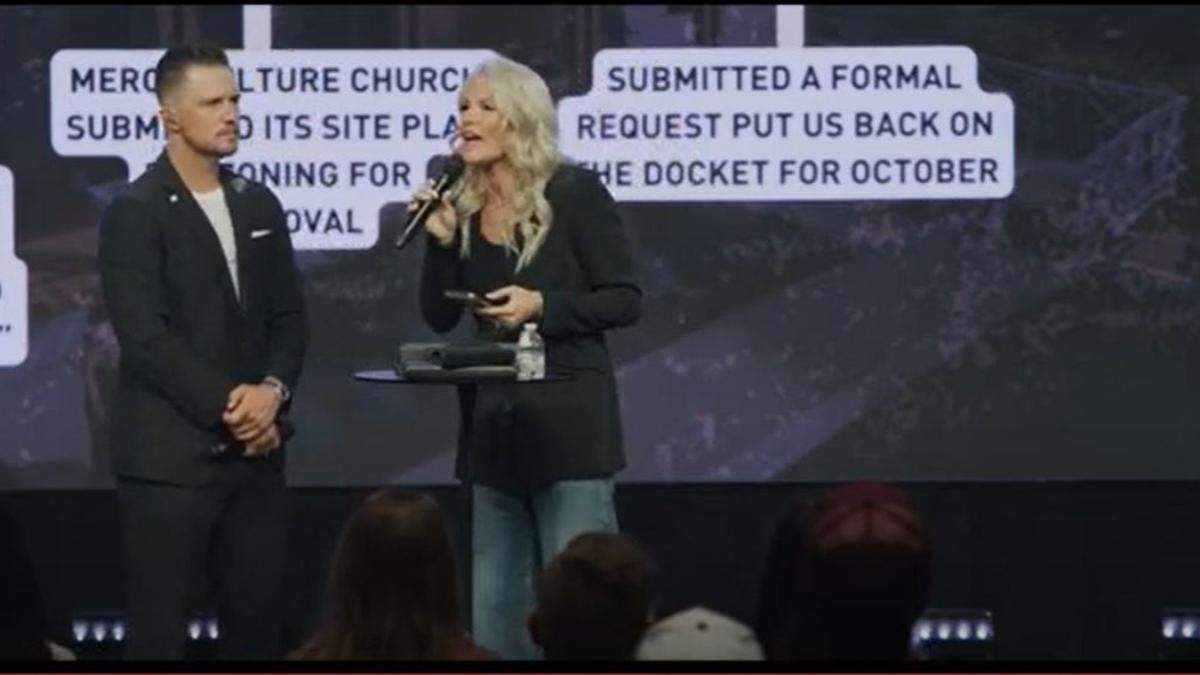
Sometimes, those powers and principalities are simply flesh and blood.
I mince my words here, but only because I’m told I should love my neighbors, even if they happen to include pastors allergic to being normal. But I can admit that being annoying isn’t a sufficient legal argument. So, I would personally prefer if the city examined what kind of church would be so annoying about the otherwise banal.
Which brings me back to a revealing assertion Heather Schott made on Instagram about effectively working with the vulnerable population she says she wants to help.
“The most successful restoration homes are also run by churches or partnered with churches, because everybody knows that there is no curriculum,” she said. “There is no individual, there is no counselor … there is no human being that is going to heal these girls of the extreme trauma that they’ve been [through]. It is going to be Jesus.”
This is a disturbingly narrow view of counseling, trauma, and healing.
Defining a universal remedy to sex trafficking strictly in spiritual terms — and in direct contrast to the psychological, emotional and physical – invariably excludes a lot of potential victims who need more than their souls mended. Of course, many victims seek out the kind of lifestyle Mercy Culture preaches. But some victims, for reasons very personal to them, won’t want to be Christians yet. Or ever.
Some will feel too complicated about past pregnancies resulting from their repeated sexual assaults to feel comfortable around a flock of Abortion Is Murder tees. Some won’t feel complicated about abortion at all. Some victims might want to maintain their registration with the Demon Party, even if Landon Schott flouts our country’s nonprofit tax laws because a fellow pastor who’s a state representative wants their votes. But regardless, every victim deserves shelter, therapy, and relationships that don’t depend on accepting Mercy Culture’s distinct definition of their faith.
Those girls you want to save have already fled one form of control. They won’t all want yours either.
However, The Justice Reform’s website states that “healthy feedback is a 2 way street” but also that the organization is “governed with the same heart and values as Mercy Culture.” And what are at least some of those values? Heather Schott put it succinctly on IG Live when describing all the reasons she thought people opposed the residences.
“We’re pro-life. We’re pro-Biblical marriage. We’re not for transitioning our children and chopping off our body parts,” — Schott’s crude and distorted depiction of gender-affirming health care.
“And we’re vocal about it.”
No kidding! Well, that’s why we’ve got questions about what those girls should expect during their stay at the Justice Residences.
When the City Council meets Dec. 10, the Mercy Culture that Pastor Heather and its members presented at the hearing should prompt real probes from the city regarding what their culture of mercy looks like in practice, as well as their ability to handle outside scrutiny about ongoing safety, transparency and holistic health inside the residences.
Is asking for that demonic, too? If so, I’ll let my pastor know. We’ll keep it in prayer.
This story was originally published November 21, 2024 at 5:27 AM with the headline "Church wants Fort Worth’s OK on housing for trafficking victims. But will it serve all? | Opinion."