‘It will forever change who we are’: Rural Texans brace for data center invasion
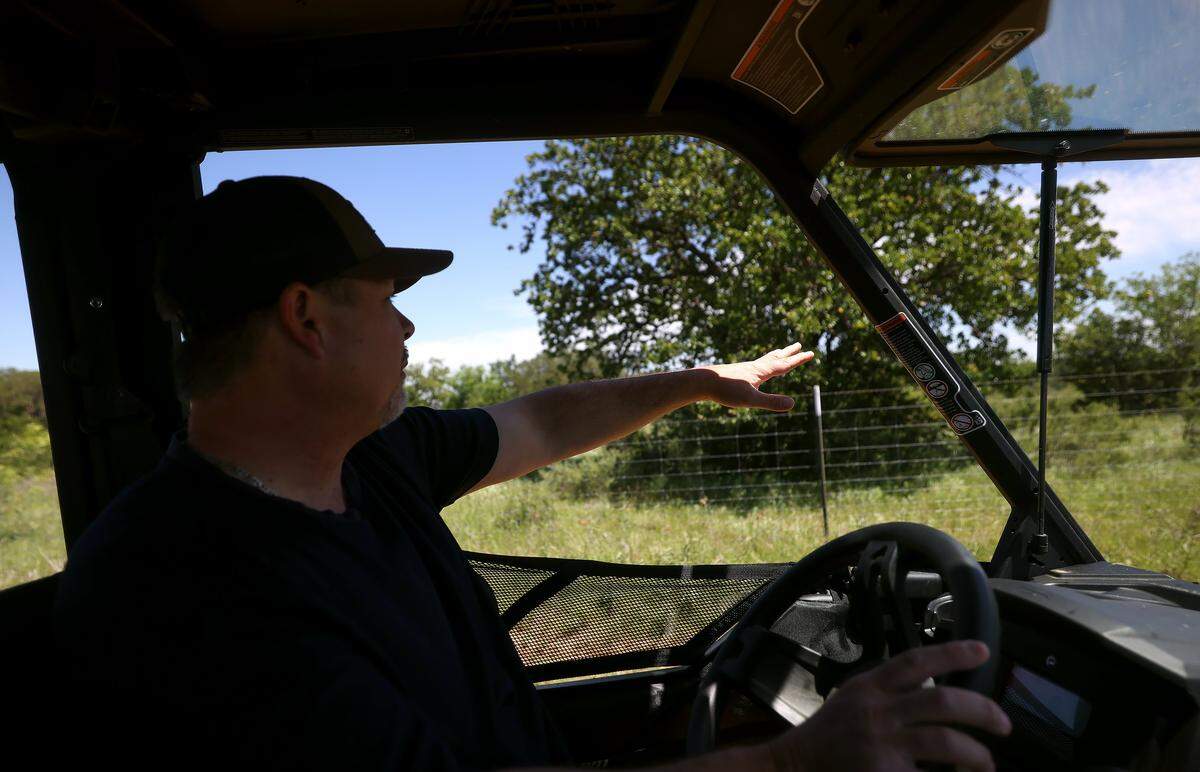
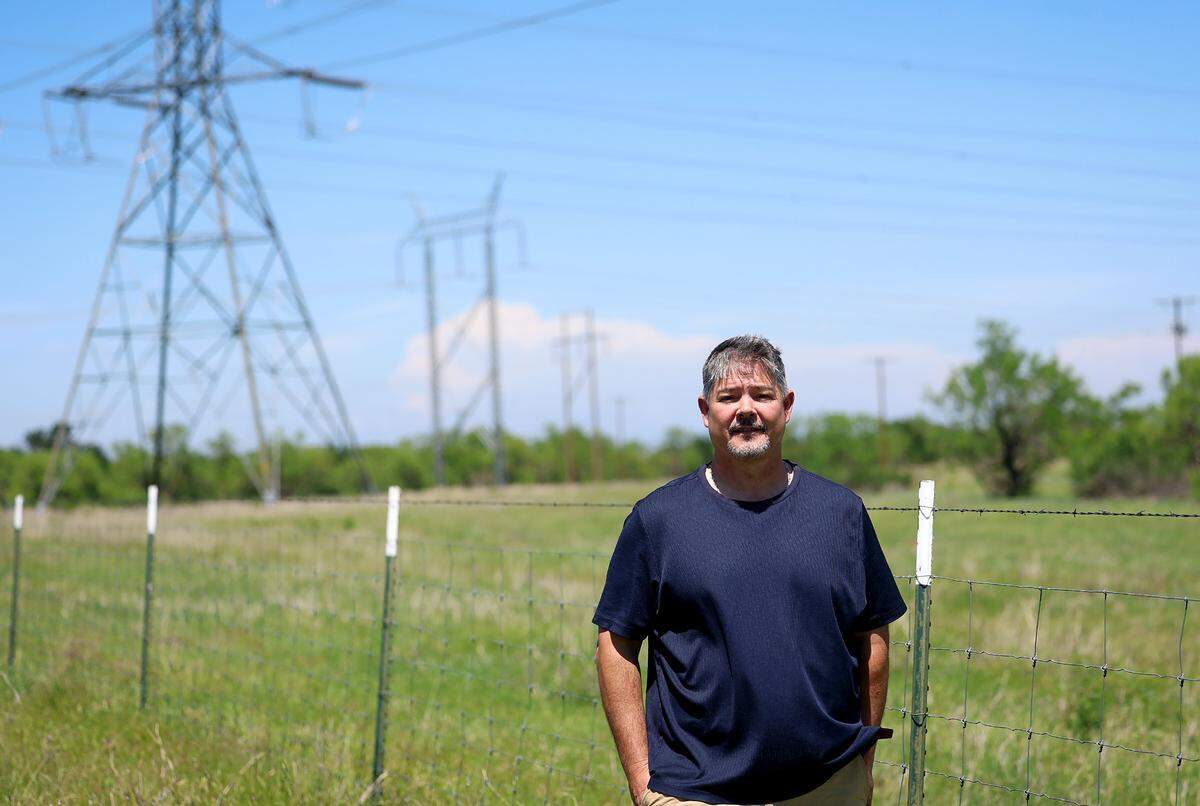
Ryan Mote gestures to the property line between land that has been in his family for 100 years and the grounds of what is slated to become a data center campus.
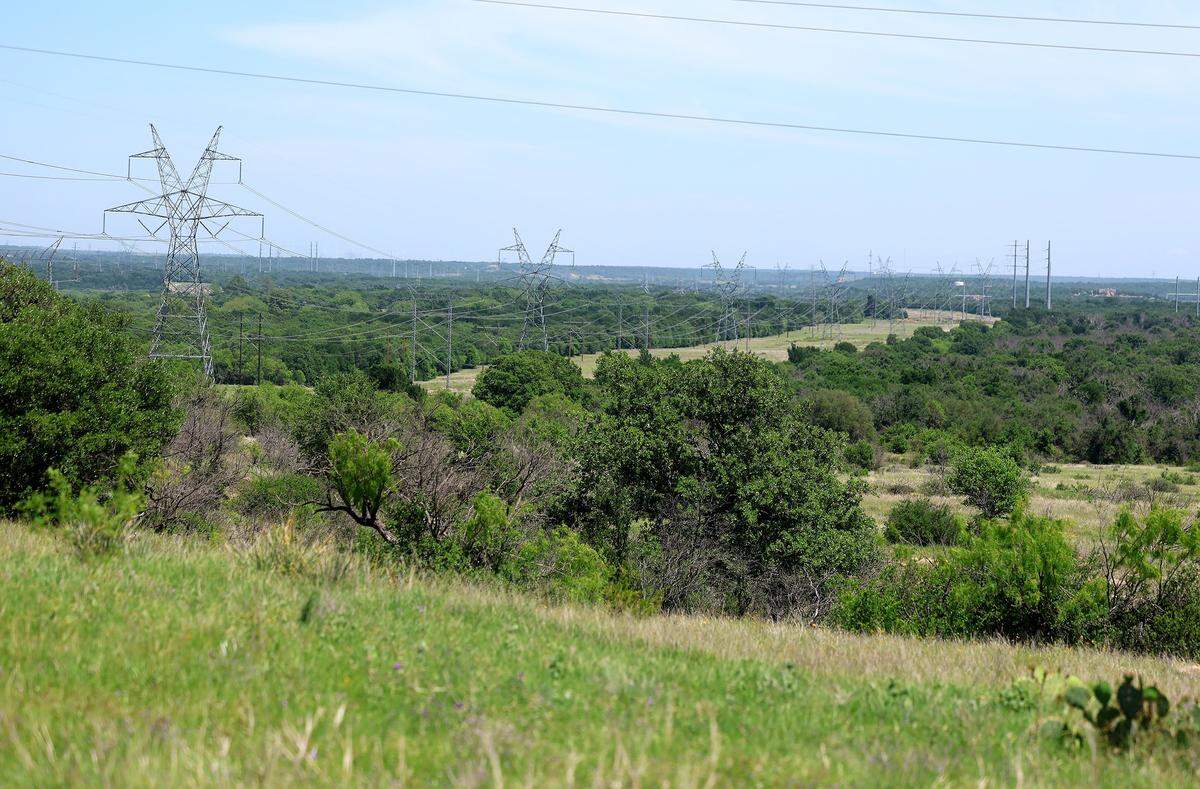
The parcels are separated by a welded wire fence barely visible against the brown-green grassland of Young County, about 90 miles from Fort Worth. Lake Graham glistens in the distance.
At full capacity, 15 data center buildings on land the size of 657 football fields would become the neighbor Mote never wanted.
“This is not good for our community,” Mote said. “It will forever change who we are.”
Mote’s primary concerns aren’t aesthetics.
He’s worried about the center moving in with the help of tax breaks and without a public vote.
He’s worried about a lack of oversight and the effects on the environment and the health of people and wildlife.
He’s worried about water and electric demands that come with a project of its scale.
These are the same issues being raised across rural Texas as the state’s business-friendly environment and lack of regulations — the same qualities that attract many to country life — fuel an expansion of server farms from the Panhandle to the Valley.
Those traits coupled with Texas’ geography and favorable weather have long been magnets for the latest industry and infrastructure of the day: railroads, highways, oil rigs, wind and solar farms.
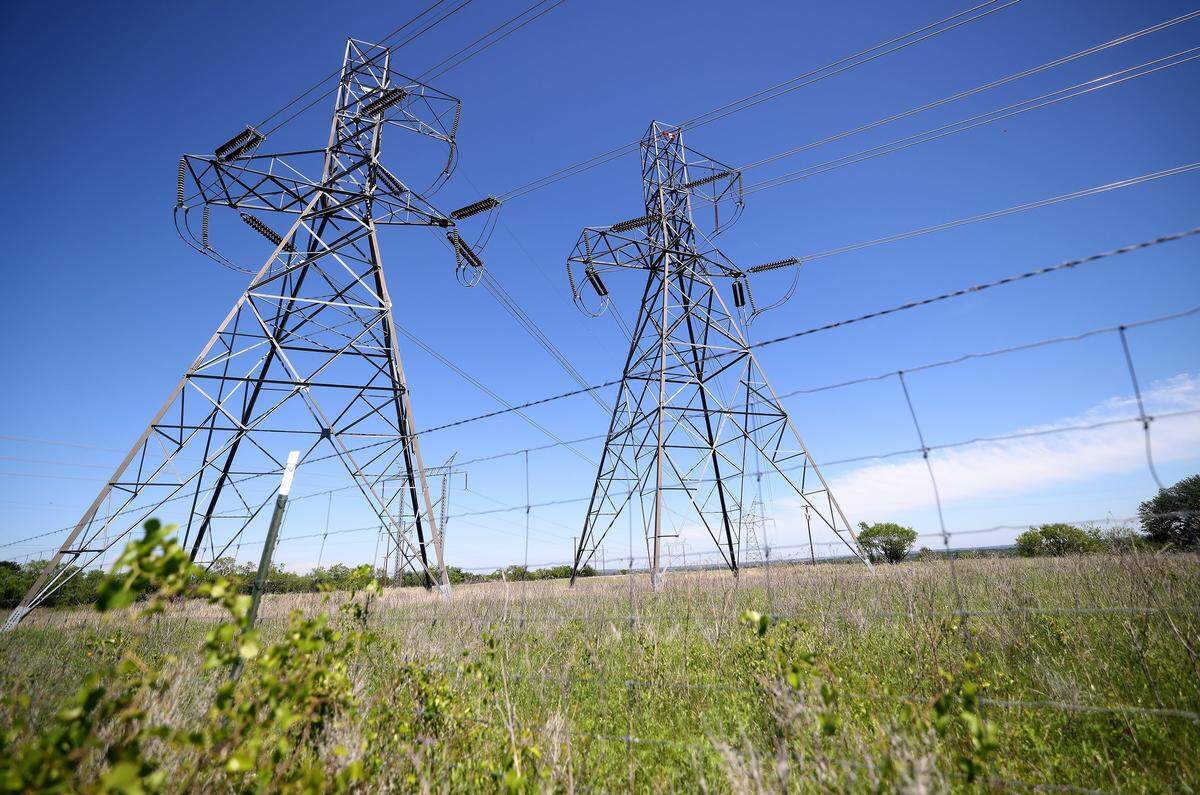
Now, in the midst of an artificial intelligence boom, it’s data centers.
To some, the data centers are an inevitable part of our future and an economic opportunity that can’t be ignored as the global AI race accelerates. To others, they’re a nuisance at best and at worst they’re noisy health and environmental hazards that destroy land and livelihoods.
For Mote, one of an estimated 4.2 million to 7 million people living in rural Texas, and others like him, data centers could be a future neighbor — just not without a fight.
“Country living is a whole different feeling,” Mote said. “It is based in God and community and love for the land and the resources around you. I just think there’s a different mentality — that you wouldn’t necessarily see the same fight at the city level that you would at the rural level.”
The ‘rush’ of data centers in Texas
Mote sits in the back of a packed Young County Commissioners Court meeting.
He isn’t speaking on this November day, but his neighbors are giving elected officials an earful and raising many of his concerns about the topic that’s brought them all to the historic, art deco-style courthouse in Graham: Project Saltworks, the data center that may move in next door to Mote, proposed by Headwaters Development, an affiliate of Dallas-based Stream Data Centers.
“We think you’re working for Stream, not working for the residents of Young County,” one man tells commissioners, as meeting attendees fill the courtroom pews.
People often begin their remarks at the meeting by reciting how many generations of their families have lived in the area — a friendly game of one-upmanship that serves as a reminder that we’re indeed in small town Texas.
The project’s sci-fi sounding name makes reference to the town’s history of commercial salt production.
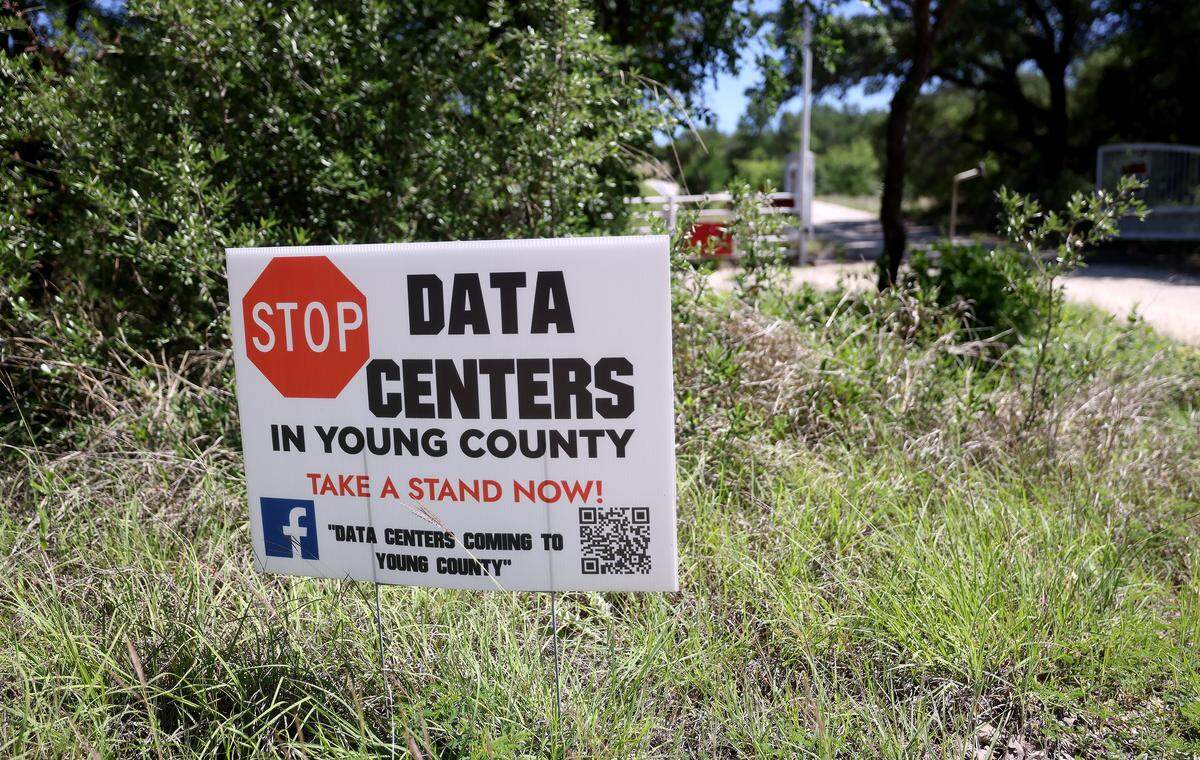
The project is among more than 170 planned data centers in Texas, as developers across the state sprint to get their projects up and running, according to a Pew review of data from Data Center Map. The state has 296 existing sites, quickly catching up to Virginia, the country’s data-center hub. Virginia has 398 sites operating and another 287 planned.
Most of the Texas’ existing data centers aren’t for artificial intelligence, but the expansion of AI is a key driver of the latest “rush” of development, said Ning Lin, chief economist at the University of Texas at Austin’s Center for Energy Economics.
People have long needed data centers for things like cloud storage and streaming services. Recently, however, the AI boom is amplifying the need for computing power, and, in turn, the demand for data centers.
Projects are being announced rapid fire, as utilities and policymakers try to accommodate them.
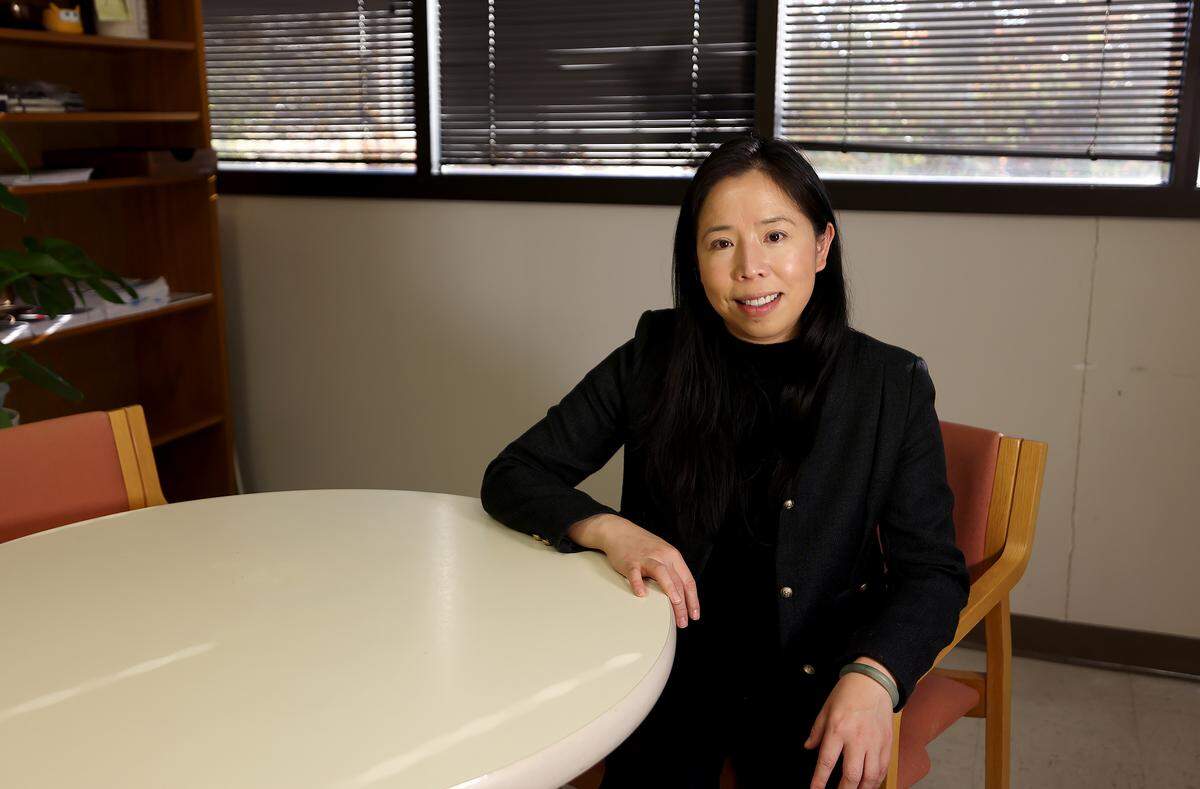
“We’re trying to figure out: How do we do this?” Lin said.
In the past, data centers tended to cluster near the I-35 corridor, from Dallas-Fort Worth to San Antonio, where power grid connection is readily available and there’s access to the fiber optics needed to transmit data, Lin said. More populous areas also offer the skilled labor force needed to open and run data centers.
But now, more data centers are being announced in rural areas.
Projects are slated in Hood and Sommervell counties in North Texas, in Pecos County in West Texas and in Willacy County and Cameron County in the Rio Grande Valley. Google is planning projects in Armstrong County in the Panhandle and Haskell County north of Abilene, while also building out sites in Ellis County.
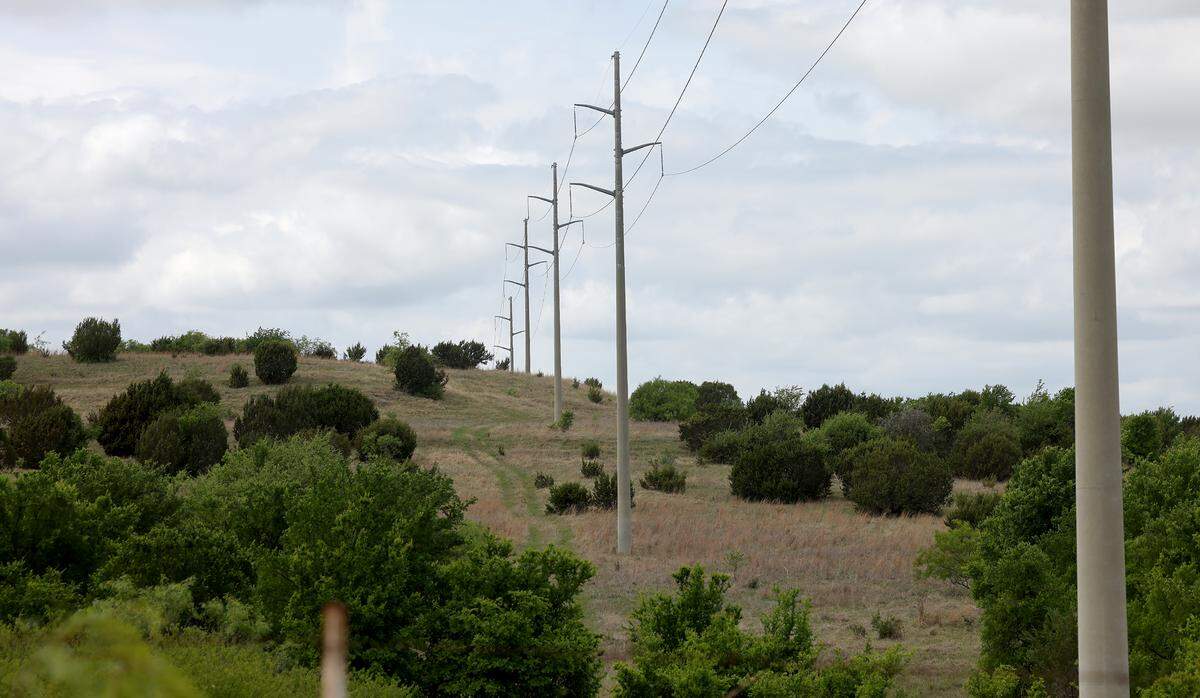
Nationwide, 87% of existing data centers are in urban areas, but 67% of planned centers are in rural communities, according to Pew. Almost 40% of the planned data centers would be in counties without any centers currently.
“What you’re observing is a shift of strategy,” Lin said.
As data centers become bigger, rural areas with more land become attractive. Centers that traditionally wanted to be close to connectivity options are now going to the resources, like natural gas, and building out necessary infrastructure themselves.
Companies may also be drawn to rural areas because they’re often unincorporated and have fewer regulatory hurdles, which allows centers to get online faster. By design, counties have limited governing power.
“Of course, that creates some friction with local towns and communities,” Lin said.
Data center debates takeover small town Texas
Many state and local officials welcome the blossoming industry as an economic opportunity in small communities where revenue can be hard to come by. Meta was the fifth-biggest taxpayer in Tarrant County in 2025, with $958 million in taxable value.
The five men who make up the Young County Commissioners Court are ranchers, and two are in the oil business, explained Precinct 2 Commissioner Scott Shook in a November interview.
“I think we’re about as Texan as you can be,” he said, reflecting on Texas as both wide open spaces and a business hub.
But Shook said he’s also a realist and recognizes that artificial intelligence is where the future is headed.
“We can’t just sit back and sit on our hands and expect that the cattle and the oil industry is what’s going to keep our economy alive,” he said.
Opponents question the longevity of jobs and often oppose tax breaks meant to lure data centers into a community. They also raise a slew of environmental and transparency concerns, like those held by Mote.
Environmental advocates and researchers have warned about the strains data centers place on water, electricity and air quality, though data can be hard to come by.
“There are not a lot of good data sources for the amount of energy or water resources that data centers are using,” said Margaret Cook, the vice president of Water and Community Resilience at the Houston Advanced Research Center during a March news conference hosted by Environment Texas. “A lot of times that’s behind an NDA, a non-disclosure agreement or something of that sort, and so we are struggling with transparency on this issue.”
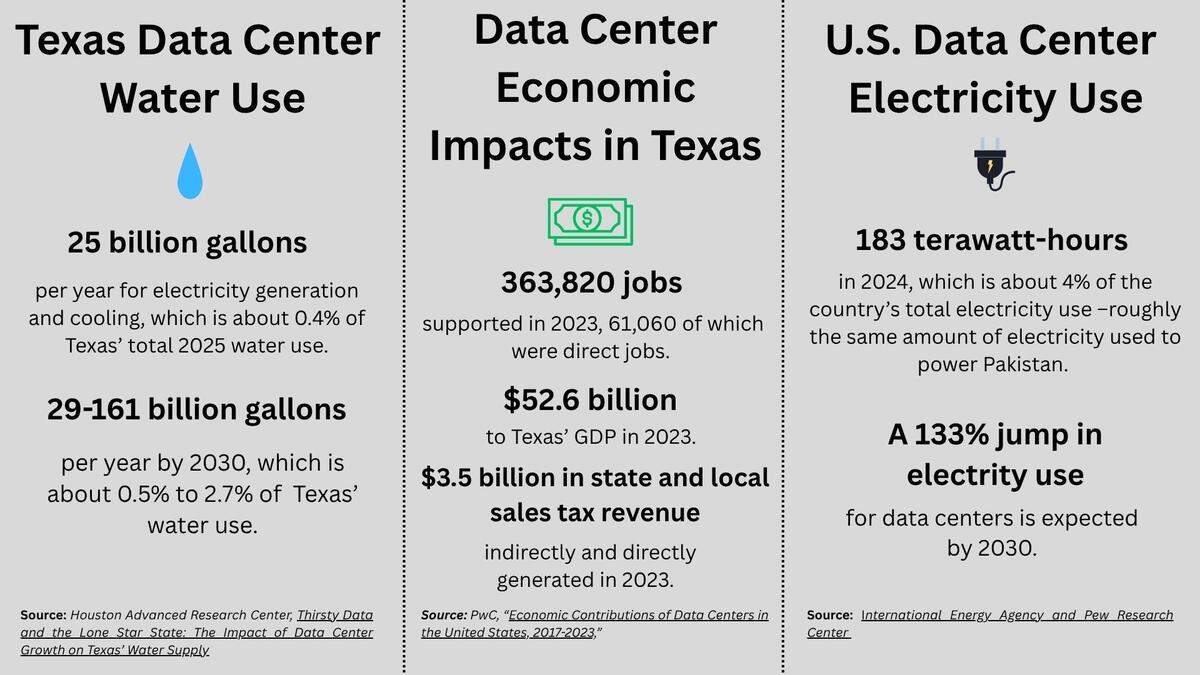
During an April 9 Texas House hearing, industry officials sought to mitigate water consumption and data use concerns.
Speakers outlined technological developments like a closed-loop cooling system that recycles water, reducing the amount needed to chill centers. One developer said their data centers use about the same amount of electricity annually as five houses.
In an interview, Dan Diorio, the Data Center Coalition’s vice president of state affairs, stressed that facilities use resources wisely, are committed to the best technologies and emphasized the importance of context and fact-based discussions about policy and impact. The group represents and advocates for businesses like Google, Microsoft, Amazon, Meta and Stream that work in the data center space.
“Water use is an example of that,” Diorio said in an interview. “When residents see what looks like a large number — they see a hundred thousands of gallons or millions of gallons — and they think that’s a huge number, but they don’t see it in the context of what their local golf course is using, that provides a distorted picture.”
Stacey Doré from Vistra, the Irving based electricity and power generation company, highlighted an Amazon data center project in Somervell County that would go next to the Comanche Peak Nuclear Power Plant on Vistra-owned land. The project has the support of commissioners who approved an economic development package that lets the county “reap the benefits of Amazon’s significant local investment,” said Doré, Vistra’s chief strategy and sustainability officer and executive vice president of public affairs. The economic development agreement passed on a 3-2 vote.
Later in the hearing, Rep. Charlie Geren, a Republican from Fort Worth, brought up the community’s perspective. About 10,000 people live in the rural county.
“Of course, everywhere across the country, you’re going to see a vocal minority of people who oppose progress and who oppose development, and we listen carefully to those voices, but we are experiencing a lot of support in Somervell County,” she said.
‘It kind of snowballed’
Cheryl Shadden is well known in the fight against data centers and cryptocurrency mines, which, like data centers, consist of rows of servers that guzzle water and electricity.
She lives next door to the Wolf Hollow II natural gas station and the Marathon crypto mine it powers in Hood County. Shadden is a nurse anesthetist by trade, but taking on the noisy neighbor has become a second job of sorts.
A dull hum like a fan running can be heard standing outside her home. On this particular December day, Shadden puts the volume at a 6 on a 1-10 scale. How loud the buzz is varies based on wind and cloud cover, she says.
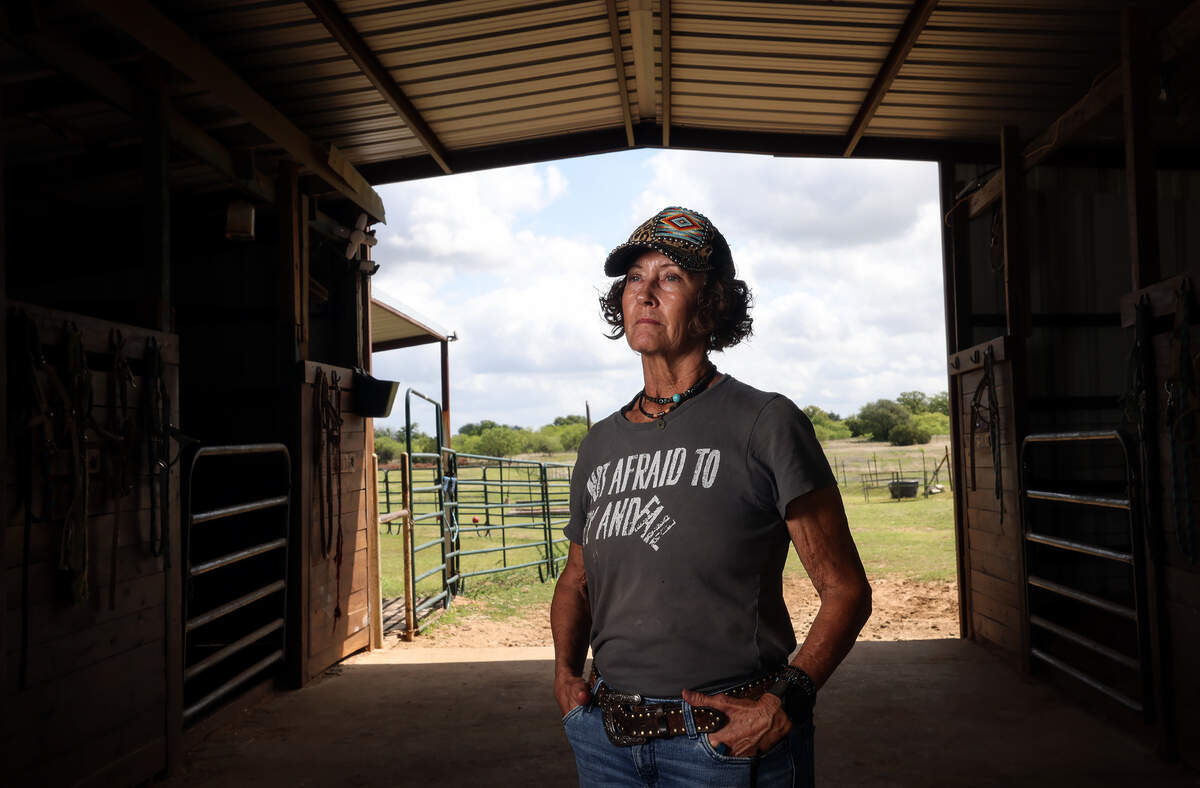
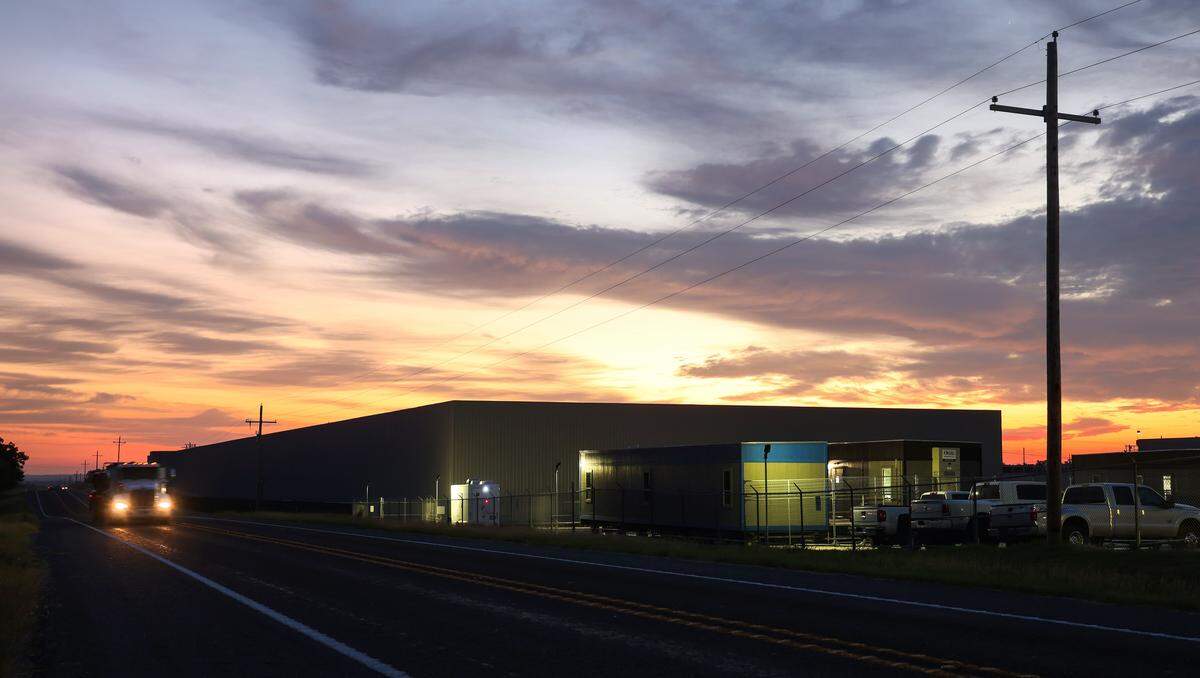
“If there’s any low-hanging clouds, like any fronts coming through, that noise actually bounces off the clouds and ricochets all over into this county and the county south of here,” Shadden said.
Neighbors like the crypto mine next door to Shadden are what data center opponents want to avoid, though data center industry cautions against conflating the two.
Data centers power people’s electronic lives and are more essential than mining for digital currency, Diorio said, describing a commitment to long-term community investments.
But, Mote and others across the state aren’t sold that data centers will follow through on their vows to be good neighbors.
“They can say that all day long, but the reality is, once they get hooked in, they’re hooked in,” Mote said, speaking to promises of rationed water and power use. “What conditions are there to limit that?”
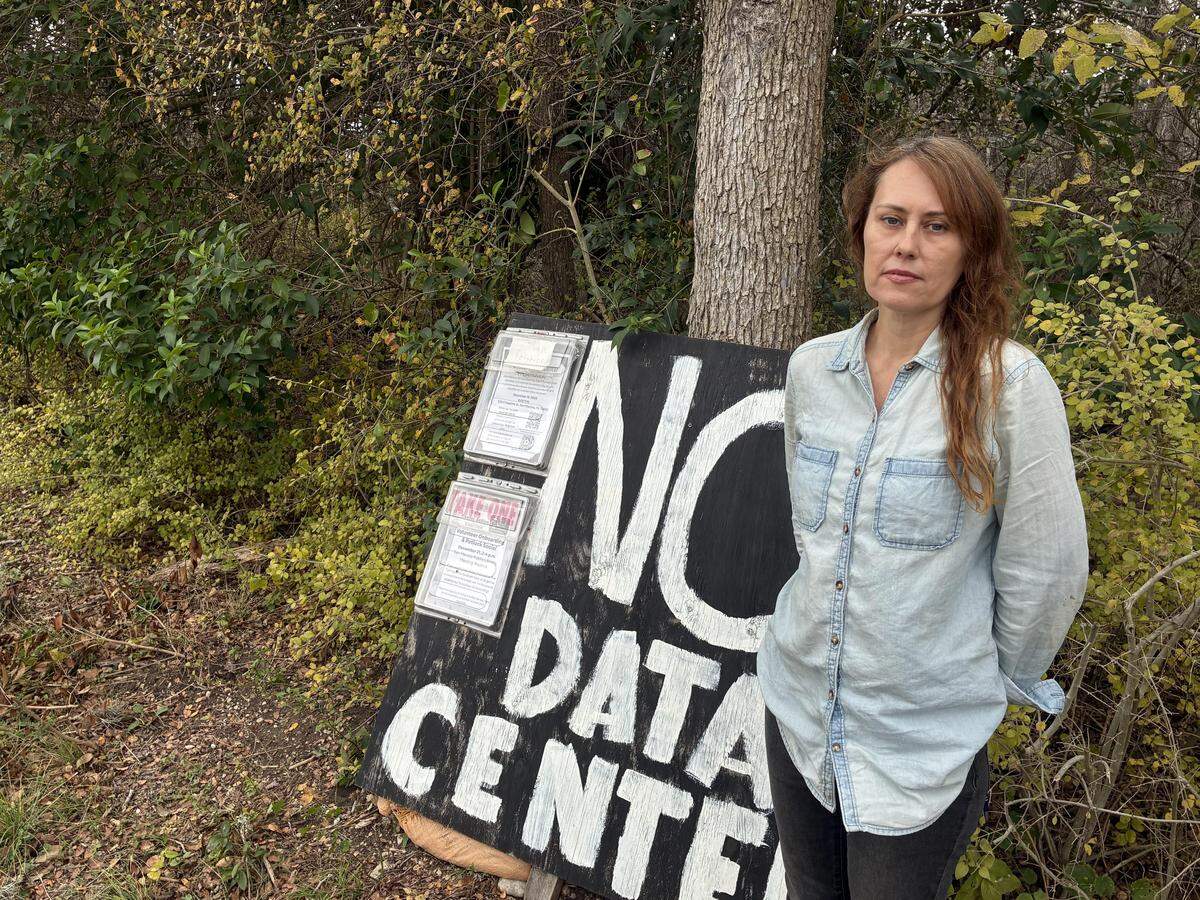
Abigail Lindsey is fighting a battle similar to Mote’s more than 200 miles away in Hays County.
Her family’s all nearby, out in the country and away from San Marcos, where Lindsey is surrounded by dark skies, and has space for gardens, fires to gather around and animals to rescue.
“It feels like home,” she said.
Lindsey’s sister first noticed a public notice sign about a zoning change for a data center project. The pair decided to attend a meeting with two pages of questions prepared in a frenzy.
“It kind of snowballed,” Lindsey said.
They organized a protest and Lindsey has become a vocal advocate against data centers coming into the central Texas community, including one that is planned across the street from her house — a different project than the one that started her activism in early 2025.
Lindsey fears her property value will drop and her utility bills will increase. She worries about how sound waves and pollution from the data center could affect her family’s health and the environment.
“Is my son going to get sick?” she said. “Are we going to be able to sleep? What’s going to happen to the animals that are outside? My mom has goats and chickens and turkeys, and just the wildlife in general.”
‘It’s time for Texas to stand up’
Back in North Texas, Brian Glynn is enlisting Shadden’s help to fight the 2,000 acre Comanche Circle project that is proposed near his land in Hood County. The project isn’t far from Dinosaur Valley State Park in Glen Rose, a major tourist destination for the community and home for critters like the golden-cheeked warbler and black-capped vireo.
Glynn and his wife Brenda sit with Shadden on their back patio. Everyone is silent for a few moments as a bird chirps and a wind chime dings. Unlike at Shadden’s, the only mechanical purr is the brief rumble of a passing car.
“We hate to think of losing this,” Glynn said.
Glynn and Shadden talk strategy between interview questions.
Hood County residents have tried unsuccessfully to get a temporary moratorium on data centers using an obscure state law that’s specific to Hood County.
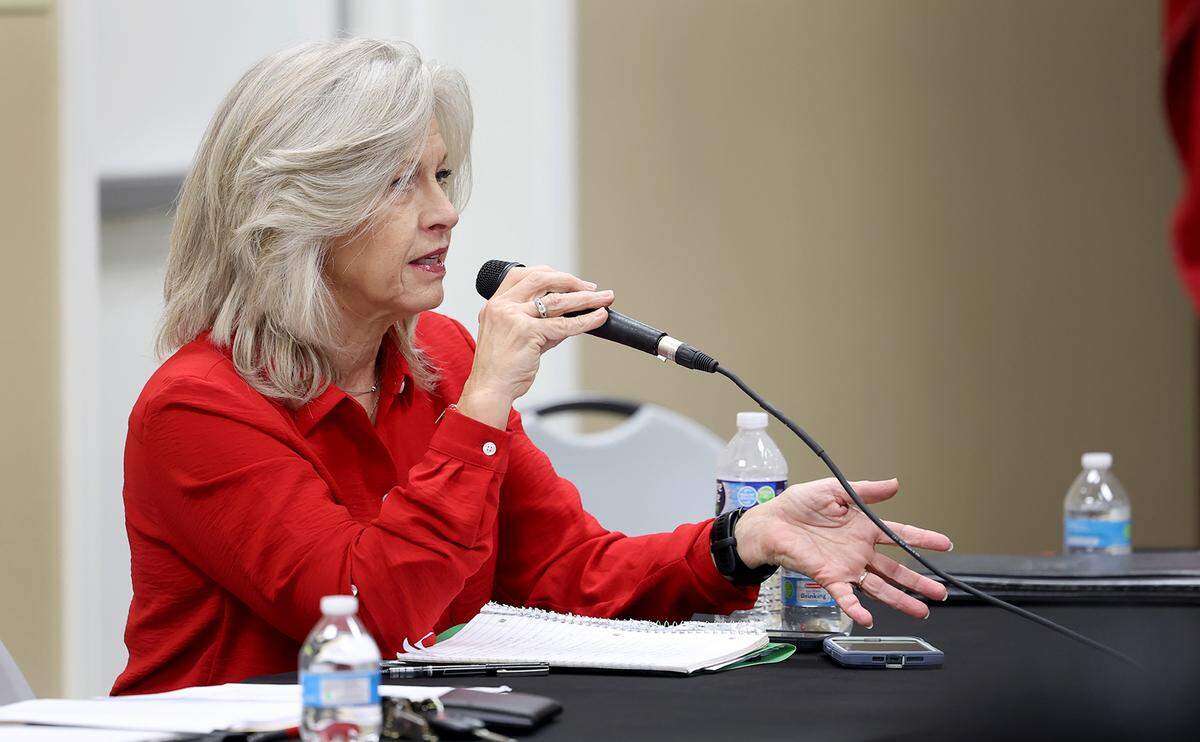
Shadden went as far as campaigning to try and have the area around Wolf Hollow II incorporated into its own city, but the move failed in November’s election.
“Now, it’s time for Texas to stand up and say we’ve had enough,” Shadden said. “These politicians can either get on board or they’re going to be voted out.”
Glynn knows he may not be the victor.
“I’m just going to try and fight it the best we can,” he said. “We can’t win against these people. They have too much money, but if we can slow them down, or we can delay it, maybe Brenda and I won’t be here long enough to affect us. I don’t know. We’re just going to keep trying.”
Governing on the outskirts
When he first learned that a data center may move in next door, Mote, the Young County property owner, was content to keep his opposition focused on county tax breaks and incentives to attract the industry.
“At first it was, get the best deal you can get,” Mote said.
But in the months since, as he’s heard stories from others about their experiences, Mote has grown to oppose data centers altogether and wants a more aggressive approach from elected officials.
“Make it impossible for them to come here,” he said. “That’s what your constituents and residents want, at a majority level.”
Mote will be the first to tell you that he values landowner rights.
“But for a multibillion-dollar company to come in and be able to buy a piece of land in a rural community and basically build whatever they want, unrestricted, without any regard for what it does to the local environment and neighboring properties and the animals and wildlife — I really think the state needs to step in and do something,” Mote said.
It’s not a matter of telling people what they can or can’t buy or build, he said.
“But there needs to be some kind of restriction or requirement to prove how they’re going to not negatively impact the environment,” Mote said.
The data center outlook
Data center battles so far have been largely local, but Texas lawmakers are in the early phases of a statewide look at the issue ahead of the 2027 legislative session, where conversations about regulations — especially in unincorporated communities — will likely be part of the conversation.
Diorio said Texas shouldn’t take a “one size fits all” regulatory approach, especially given its scope and geographic diversity.
“I think it makes the most sense to give more local control to communities to determine what’s best for them, and really what is best – what fits their infrastructure capabilities, what are the concerns they have to address, and then ultimately, will this data center project fulfill their economic development goals,” Diorio said.
Some state lawmakers have suggested giving counties zoning authority, similar to what cities have, so they can regulate the industry. Others want a pause on large projects to allow time to study data centers’ impacts.
It’s a balancing act between industry and preservation, legislators say.
Landowners deserve clarity about how data centers are going to affect their infrastructure, their land, their water and their future, said state Rep. Helen Kerwin, a Republican who represents Hood and Somervell counties.
Developers deserve a consistent, predictable environment so they can invest with confidence, she said.
“Property rights matter deeply,” said state Rep. Helen Kerwin, a Republican who represents Hood and Somervell Counties. “They are central to who we are as conservatives. Property rights go both ways though.”
Mote made a similar point on a recent April afternoon, as he drove around his property pointing out his nine pigs and rows of pecan trees planted by his great-grandfather decades ago.
“Where do our land rights end and our neighbors’ begin?” Mote said.
It’s the stillness of rural Texas that attracts Mote to his slice of Young County.
He and his wife Kate have done the city life, but left in 2022 for the quiet property outside Graham city limits that has been in Mote’s family since 1926.
They can see stars at night. Hear the sounds of animals and nature.
“It’s just a peaceful way of living,” Mote said.
At least publicly, little progress seems to have been made on Project Saltworks. Questions linger for concerned community members.
So Mote keeps pushing back and demanding answers, as do others in Texas’ rural corners.
“When you truly love and appreciate where you live, then you’re willing to fight for it,” Mote said.
And he’s willing.
“This is my history,” he said. “My heritage. This is where I’m from.”
Editor Amanda McCoy contributed to this report.