
These creepy crawlers will give you itchy bites — how to get rid of them
These creepy crawlers cause itchy bites and are hard to kill.
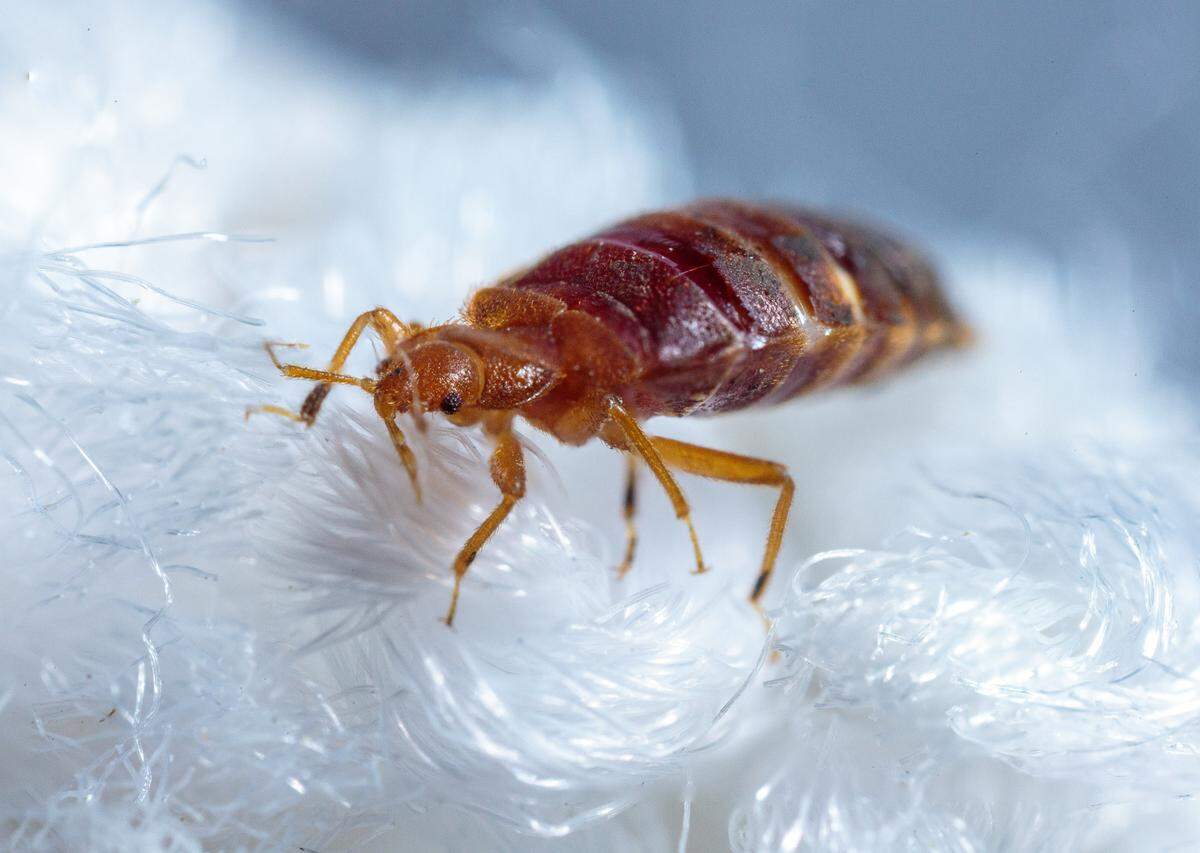
Bed bugs are small reddish-brown insects that feed on the blood of sleeping humans and animals. They are nocturnal, so you will rarely notice them in your house while you’re awake, as they hide in cracks and crevices.
Some blame the cleanliness of an environment if there is a presence of bed bugs, but really, these critters will show up anywhere there is food. It doesn’t matter how clean you keep your space.
While they are active year-round, they tend to grow quicker in warmer months. And people travel more during the summer, which increases the chances of picking them up and bringing them home.
How to know if your home has bed bugs
According to Texas Health and Human Services, bed bugs can be found in any type of home — apartments, houses, group living situations, hospitals, five star hotels, motels and even public transportation vehicles.
They hide and sleep in nooks and crannies like mattress seams, box springs, bed frames or headboards. They also lurk around the house in cracks behind baseboards, furniture, floors, walls or even electronics.
While the bug itself is about the size of an apple seed, they grow after feeding and become more reddish in color. Some may notice that they have an infestation by the bug’s droppings on surfaces (small black or brown spots) or the shedding of eggs, exoskeletons and eggshells (a mother can lay up to five eggs daily).
If you do think you have bed bugs, it is best to contact a pest control specialist. It may take multiple visits to completely exterminate your space.
What do bed bug bites feel like?
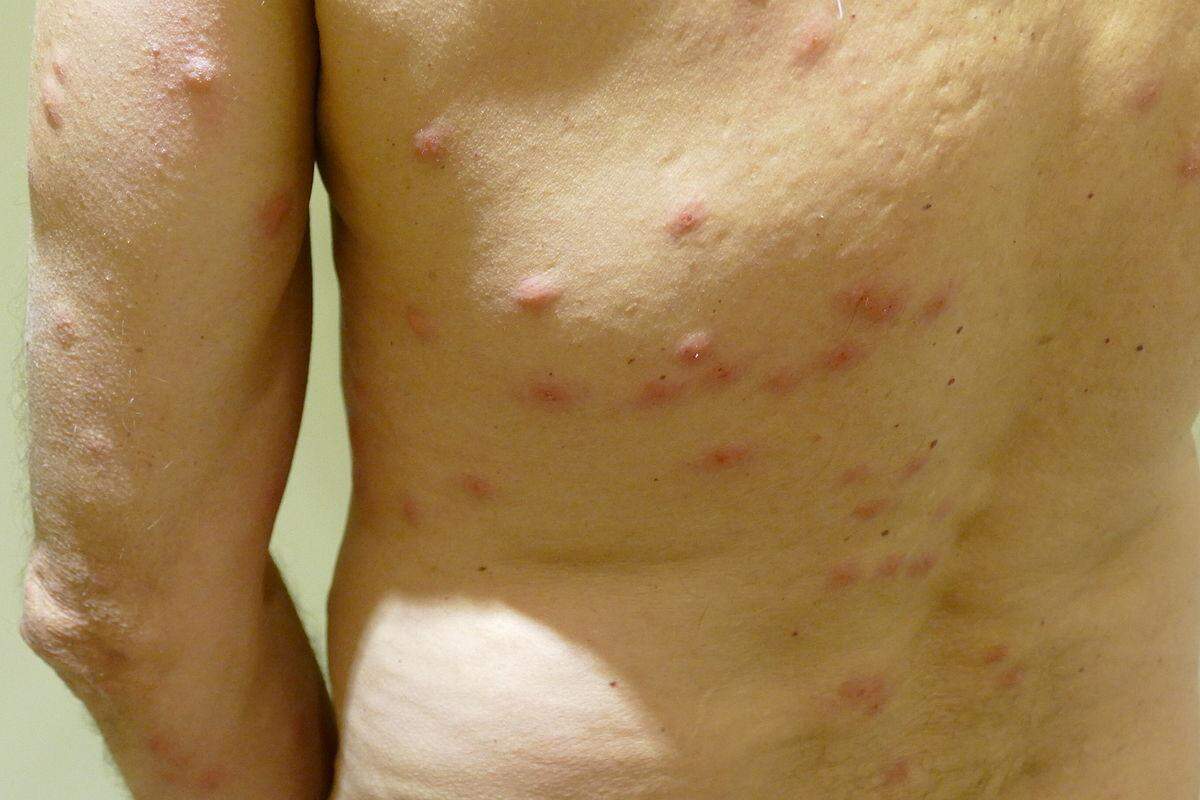
Another way to notice if you have bed bugs is if you are ridden by itchy red bug bites.
However, some people do not develop a reaction to the bites and never realize they have bed bugs, which is why it’s important to notice infestation by their droppings or eggs. It can also take up to 14 days to develop a reaction to bed bug bites.
Bites are similar to a mosquito or flea bite. The area may be slightly swollen, red, itchy and irritated. Bites can be anywhere, but are commonly found on the face, neck, hands or arms.
Luckily, the insect does not carry any diseases. Humans may experience anaphylaxis if they are allergic to the bed bugs. If this happens, contact your health care provider.
Otherwise, the bites can be treated with topical itch creams and antihistamines. Do your best to avoid itching the bites as well.
How to get rid of bed bugs
The critter will stick around as long as humans allow them in their home.
The only way to get rid of bed bugs is to call a pest control professional. It will take multiple visits to completely rid your home of the critters. Over-the-counter pesticides and fogs will not do the job.
Things you can do while waiting for a pest professional include:
- Clean your home of any clutter (bed bugs hide in clutter).
- Caulk any open cracks and crevices in windows, doorways, baseboards and floors that have access to outside.
- Remove and wash all bed cushions, sheets, pillows, blankets or couch linens in hot water.
- Seal items in plastic bags and leave outside for at least six months to ensure bed bugs are dead.
- If vacuuming, cover the vacuum hose with a sock to ensure bed bugs don’t get into vacuum and live there. Bed bugs can live without blood for up to five months.