Here’s how to spot bed bugs in your Fort Worth home — and how to get rid of them
Bed bugs are prevalent in Texas and even led to the discovery of a human trafficking ring in Collin County after an exterminator gave a tip to Princeton police.
At the Fort Worth Transitional Center, a state-contracted residential facility for people who have recently been released from prison, bed bugs have been a problem for years.
Here’s what to know about bed bugs and how to get rid of them:
What is a bed bug?
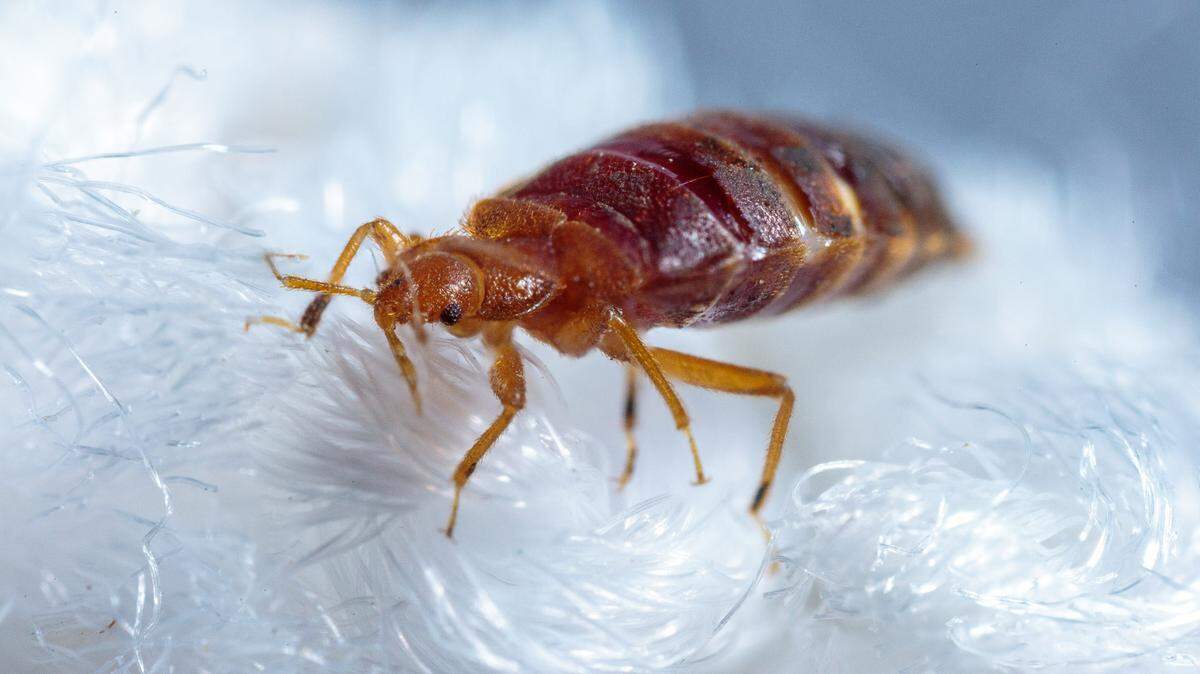
Bed bugs, also known by their scientific name cimex lectularius, are reddish-brown insects that live in mattresses, headboards, and bed frames.
The bugs are considered a public health pest by the Environmental Protection Agency, the Centers for Disease Control and Prevention and the United States Department of Agriculture.
However, unlike other public health pests, bed bugs are not known to transmit or spread disease, according to the EPA.
Bed bugs are about the size of an apple seed, around a quarter-inch long. The bugs are either long and brown, or more reddish brown and balloon-shaped, according to the EPA.
Why do bed bugs bite?
Bed bugs primary food group is blood, so they chomp down on humans to survive.
After finding its spot, a bed bug will bite down until it finds a suitable blood vessel and begin feeding, according to pest company Orkin. Usually, bed bugs take more than one bite of their food source.
Bed bugs are sensitive to the movements of the hosts they’re feeding on. Therefore, if a person moves around while sleeping, the insects will usually withdraw and find a new dining spot.
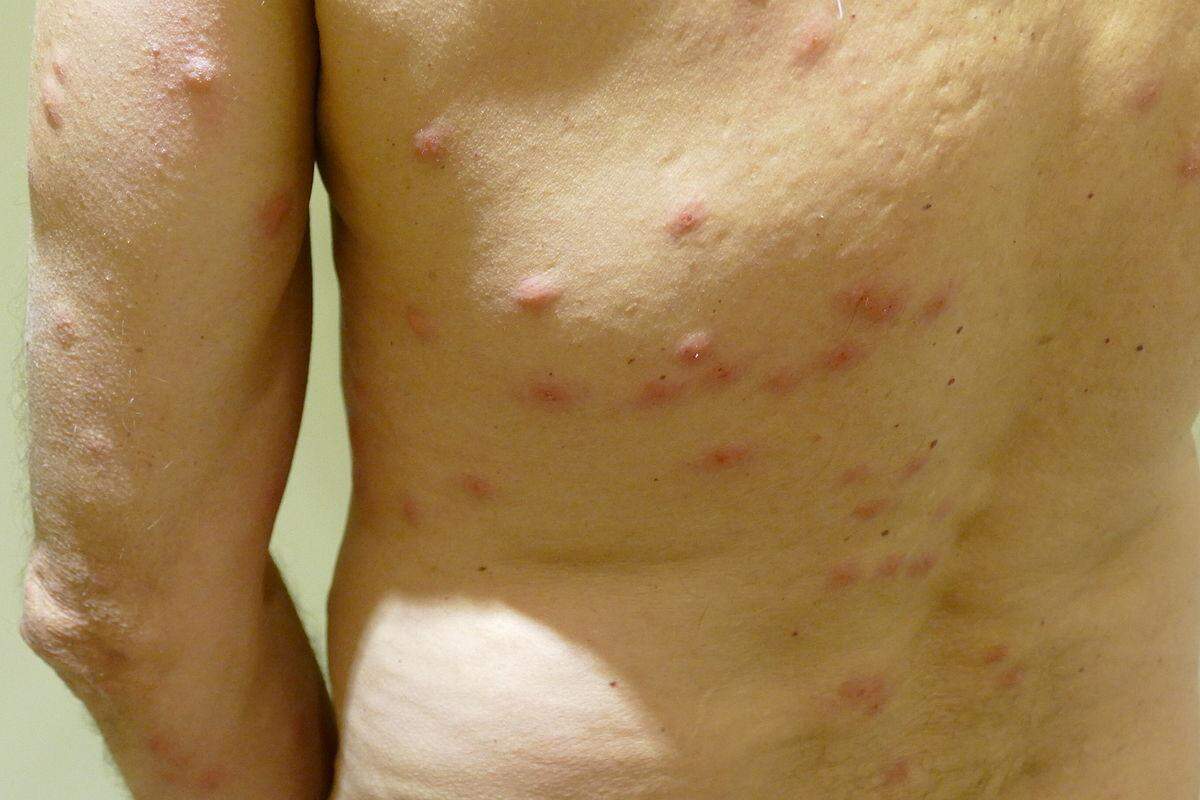
Whenever bed bugs do bite, they leave red and lumpy marks on the skin.
The number of bites a person receives does not equate to the number of bed bugs feeding on them, since the insects take multiple bites each time, according to Orkin.
How often do bed bugs bite?
The number of times bed bugs bite a person depends on a few factors:
- Host availability
- Population size
- Conditions within their living structure
Bed bugs don’t have a predictable feeding schedule, instead, they feed when hungry and when a host is nearby, according to Orkin.
The insects can go without feeding for 20 to 400 days, depending on temperature and environmental conditions.
How do you treat bed bug bites?
While bed bugs are not known to spread or transmit disease, bites can still pack a punch.
The American Academy of Dermatology Association recommends seeing a dermatologist after a bed bug bite if the person has:
- Several bites
- Blisters
- Skin infection
- An allergic skin reaction
Dermatologists are likely to prescribe injections of antihistamine, corticosteroid or epinephrine for a severe allergic reactions. Antibiotics, antihistamine pills or other ointments may also be prescribed, according to the AADA.
For those looking to treat bed bug bites at home, here are a few options:
- Wash the bite with soap and water.
- If the bite itches, apply a corticosteroid cream.
Usually, bed bug bites heal within a week or two.
Where are bed bugs found?
Bed bugs are known for their ability to hide well, but there are a couple of signs anyone can look out for, according to Terminix:
- Headboards: Inspect cracks, crevices and seams.
- Bed: Inspect seams, tufts and labels on mattresses and box springs.
- Bed frames: Inspect cracks, crevices and corners.
- Bedroom furniture: Inspect cracks and crevices behind and under furniture.
- Couches and reclining chairs: Inspect seams, tufts, folds and cushions.
- Ceiling, wall and floor junctions: Inspect corners and edges of all junctions.
- Loose wallpaper: Inspect seams, edges and loose areas.
Along with where to look, here are a few signs of bed bugs:
- Bed bug bites
- Blood stains
- Fecal spots
- Bed bug shells or molted skins
- Bed bug eggs
- Musty odor
- Live bed bugs
How do you get rid of bed bugs?
There are a few things people can do to get rid of bed bugs.
The EPA recommends avoiding using rubbing alcohol, kerosene, and gasoline, as those items could easily ignite and harm others. Sticky straps also wouldn’t work since those are more effective for bigger insects.
A few non-chemical methods are heat and cold treatment.
Putting items such as pillows or cushions in a dryer on high heat or freezing them could kill bed bugs. Steam cleaners could also be used to treat carpets, beds, furniture, and headboards.
Finally, using an exterminator to take care of the bed bug problem is also recommended by the EPA.
This story was originally published July 29, 2024 at 4:47 PM.