Got a toll bill you don’t recognize? Here’s when Texas lets you challenge it.
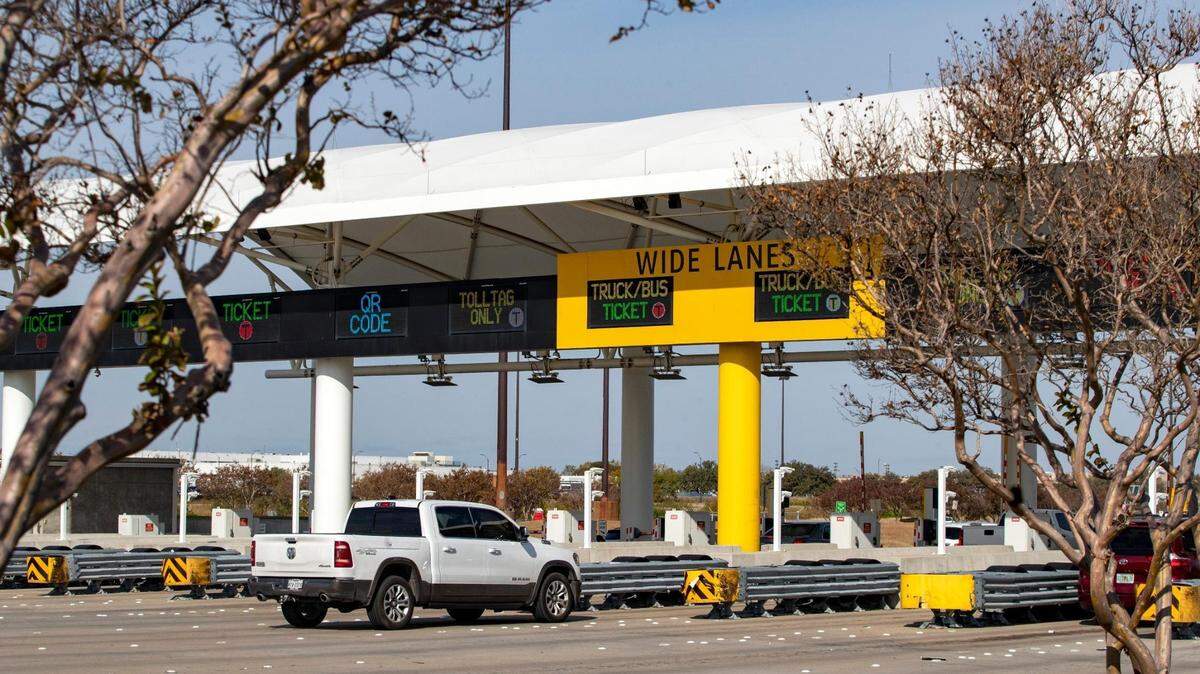
A surprise toll bill can be stressful, especially when the charges don’t match where you’ve been.
With so many different toll systems operating in Texas, it’s not always clear how those charges were calculated in the first place or if you can push back.
The good news is that some tolls can be challenged or even waived, depending on the situation.
Here’s how to figure out your options and what to do before you pay a bill you’re unsure about.
Can you dispute a toll bill in Texas?
Yes. Under Texas law, a driver can challenge a toll if they weren’t responsible for the vehicle at the time the charge occurred.
According to the Central Texas Regional Mobility Authority, this usually applies to three situations: You sold the car before the toll was recorded, someone else had the car through a rental or lease, or if the vehicle or license plate was reported stolen.
Toll agencies hold the registered owner responsible until official documentation shows otherwise, under state rules.
If you can prove the car wasn’t in your control, the agency can remove the charges and redirect liability to the correct person.
The review process varies by agency, but each one has a formal system for deciding whether a dispute qualifies.
How do you dispute a toll charge in Texas?
While every toll agency handles disputes a little differently, most follow the same general process.
According to experts at Toll Guru, drivers who have bills through the North Texas Tollway Authority and CTRMA, drivers should:
- Contact the toll agency listed on the bill
- Explain why the charge is incorrect
- Submit the required documentation
- File the dispute online, by email, or through the mail
- Follow up if you don’t receive confirmation
NTTA has a customer advocacy team that reviews toll complaints and works with drivers to resolve incorrect charges.
CTRMA requires drivers to complete a Toll Violation Defense Form and submit it with their supporting documents.
Most agencies have deadlines, typically within 30 to 60 days of the notice, so it’s important to respond quickly.
What proof do I need to dispute a toll?
The NTTA and CTRMA accepts the following for proof:
- A Texas Motor Vehicle Transfer Notification showing the car was sold
- A signed bill of sale or title transfer
- A lease or rental agreement
- A police report confirming a stolen vehicle or plate
- Insurance records showing the vehicle was salvaged or repossessed
Disputes without documentation are rarely approved, so gathering your records early helps the process move faster.
What if the toll charge is wrong or doesn’t look familiar?
Sometimes a toll bill is incorrect for reasons that have nothing to do with a sale, lease, or theft.
Industry guidance from Innovative Toll Solutions says common errors include misread license plates, toll tags that aren’t properly registered, duplicate transactions, or system glitches.
If a charge doesn’t match where you drove, toll agencies recommend checking the date, time, and location on the bill and comparing it to your own records.
Contact the agency as soon as possible and ask for the image associated with the transaction.
Agencies say acting early helps prevent late fees or additional notices while the issue is being reviewed.
Are tolls ever automatically waived in Texas?
Sometimes. According to the Texas Department of Transportation, certain vehicles can travel toll roads for free when responding to emergencies or supporting state operations.
This includes police cars, fire trucks, ambulances, volunteer firefighter vehicles, industrial emergency response vehicles, TxDOT contractors on official business, and certain marked military vehicles.
Toll agencies can also waive fees during declared disasters or mass evacuations.