Can you go to jail for interfering with an ICE arrest in Texas? What to know
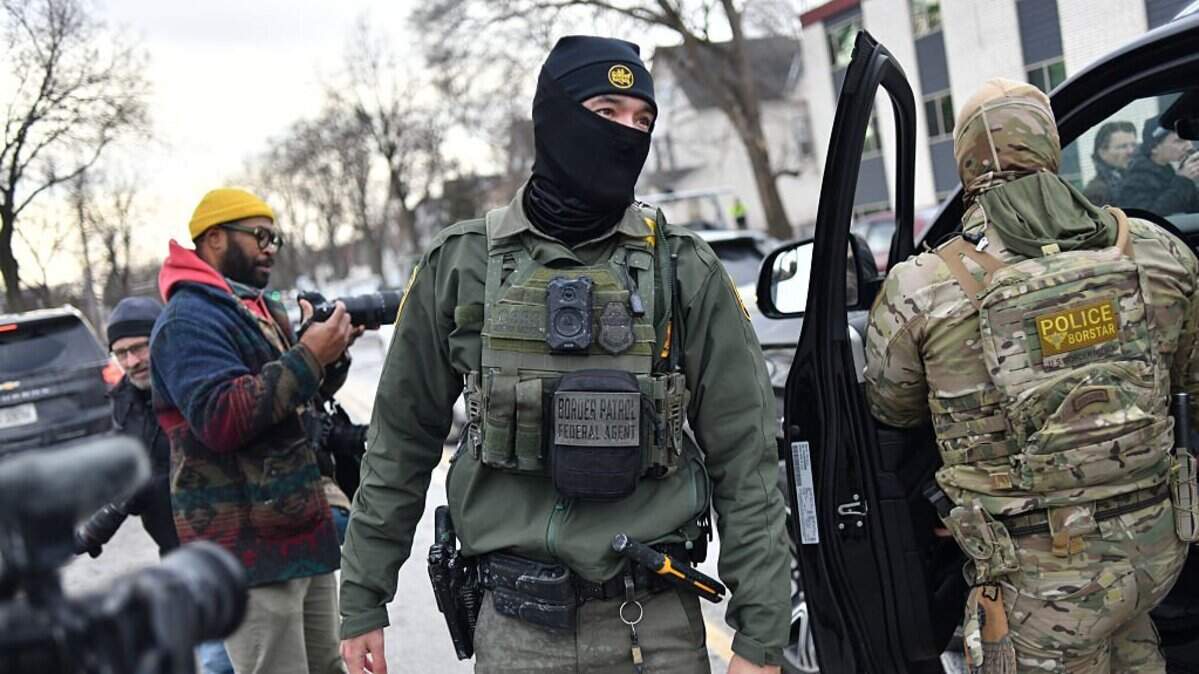
Protests against Immigration and Customs Enforcement have spread across the country in recent days, including several demonstrations across North Texas.
Many of them are happening as anger and questions grow around how ICE carries out arrests and uses force, with some protesters showing up to document or confront agents in public spaces.
As demonstrations continue and ICE ramps up enforcement nationwide, you may be wondering where the legal line is.
If you interfere with agents or try to help someone avoid arrest, could you end up in jail?
Here’s what to know.
Is it illegal to interfere with an ICE arrest?
Yes. Physically interfering with an ICE arrest can lead to criminal charges, even if you’re trying to help or protest peacefully.
Under federal law, it’s illegal to forcibly assault, resist, oppose, impede, intimidate or interfere with a federal officer while they’re performing official duties.
Legal experts say that can include blocking agents, grabbing someone being arrested, or refusing lawful orders to move back.
If no weapon is involved, penalties can still include fines and prison time. If someone is injured or a deadly weapon is involved, the charge can escalate to a felony with the potential for much longer prison sentences.
You could also face charges under Texas law. Interference with public duties is typically a Class B misdemeanor, punishable by up to 180 days in jail and a fine of up to $2,000, according to the Texas Penal Code.
If force is used, resisting arrest can be charged as a Class A misdemeanor, which carries penalties of up to one year in jail and a $4,000 fine.
Texas law does allow a defense if the interference was speech only, meaning verbal criticism without physical action.
Can I be charged for helping someone avoid ICE?
Yes, and the penalties can be severe.
Federal law makes it illegal to knowingly harbor, transport, conceal, or assist someone who is in the country unlawfully, according to Title 8 of the U.S. Code.
That can include driving someone away from agents, hiding them, or providing false documents.
Texas criminal defense attorney Javier Guzman advised that aiding and abetting charges can result in fines of up to $250,000 and prison sentences of up to 10 years, depending on the conduct and whether the assistance was for profit.
Can I record ICE agents during an arrest or protest?
Generally, yes, but there are limits.
The Texas Immigration Law Council says you typically have a First Amendment right to record law enforcement officers, including ICE agents, in public spaces.
“This includes streets, sidewalks, parks, public spaces in buildings, and all areas where you are allowed to be present,” a council advisory said.
However, recording must be done from a safe distance and can’t interfere with their work.
If an agent gives a lawful order to step back, and you refuse, you could still face charges, even if you’re filming.
Recording doesn’t give you the right to block, delay, or disrupt an arrest.
What should I keep in mind if I’m protesting?
Peaceful protest, chanting, and holding signs are protected forms of speech. Physical interference is not.
Legal experts say the safest approach is to keep your distance, follow lawful orders, and avoid actions that could be interpreted as obstruction.
If you’re carrying a protest sign, what it says and how you use it can also make a difference. Certain messages or actions, like inciting immediate violence or making true threats, aren’t protected speech.
We’ve broken down what kinds of protest signs and behaviors are protected under the First Amendment, and what could cross the legal line, in a separate explainer here.