Can you prospect for gold in Texas? What to know as metal prices skyrocket
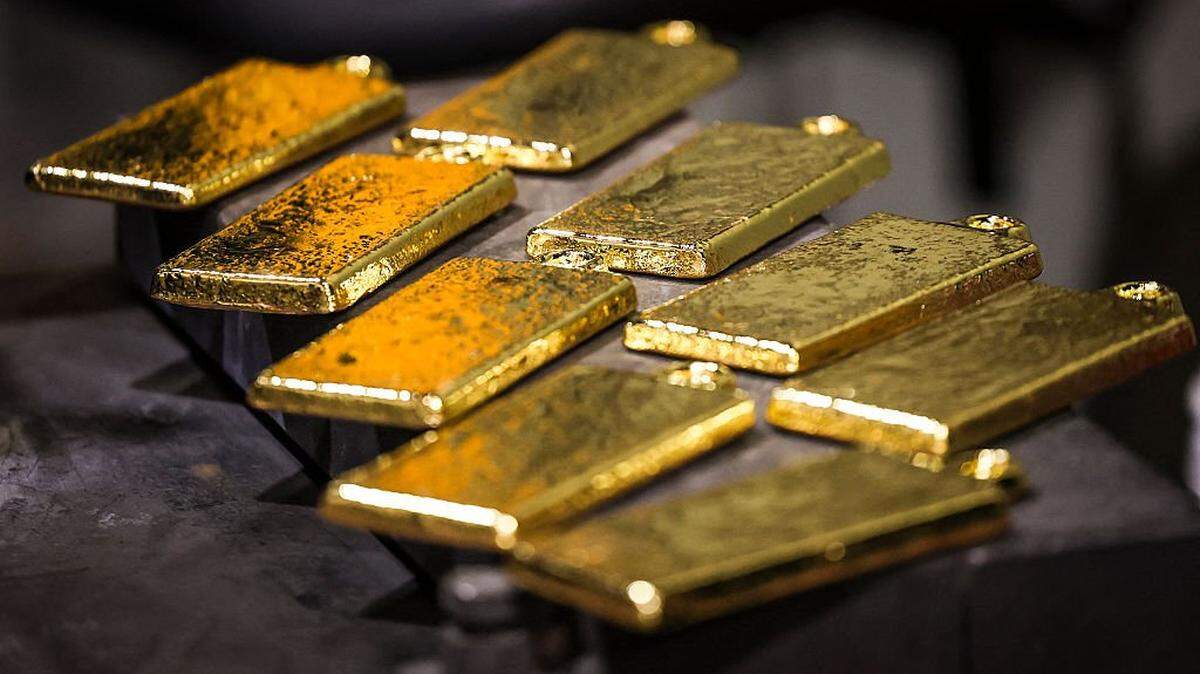
There’s a modern-day gold rush happening across the country as the price for the precious metal skyrockets.
As of Monday, Nov. 3, one ounce of gold is worth just over $4,020, according to APMEX. That’s a 52% increase year-to-date.
The Wall Street Journal recently reported about everyday citizens picking up gold pans and metal detectors in pursuit of a huge payday.
While Texas is not as gold plentiful as California or Alaska, the Lone Star state does have a few areas worth the squeeze. Here’s what to know.
Do you need a permit to prospect for gold?
Only if you’re prospecting on state land.
Under the Natural Resources Code section 53.011, a permit is required for any prospecting on state-owned land. This applies to any state-owned bays, reefs, rivers, inlets, marshes and salt or freshwater lakes.
You are also not allowed to prospect within 2,500 feet of a military base. The Texas General Land Office handles prospecting permits, which can be found here.
No permit is required for prospecting on private-owned land, although permission from the owner to be on the land may be needed.
Where to prospect for gold in Texas
There have been a few notable gold mines in Texas over the past couple hundred years, but not so much today, according to the National Gold Prospecting Association.
The reason for this is due to the lack of glacial activity over the last several thousand years. Because of this, the association said there have not been any sizable gold nuggets of note found in the state.
However, there are a few mountain ranges where trace deposits can be found, including in Shafter, Quitman, Allamoore and Van Horn, according to the association. Prospectors may also find gold mixed in with mineral deposits and ores in Irion, Taylor, Uvalde, Howard and Williamson counties.
Finally, the association listed the following areas where prospectors have found gold flakes before:
- Babyhead Creek
- Big Sandy Creek
- Bullhead Creek
- Fredericksburg
- Gazley Creek
- Harwood
- Heath
- Honey Creek
- Llano River
- Pecan Creek
- San Saba River
- Walnut Creek