Do you need permission to record someone in public? It depends, Texas lawyer explains
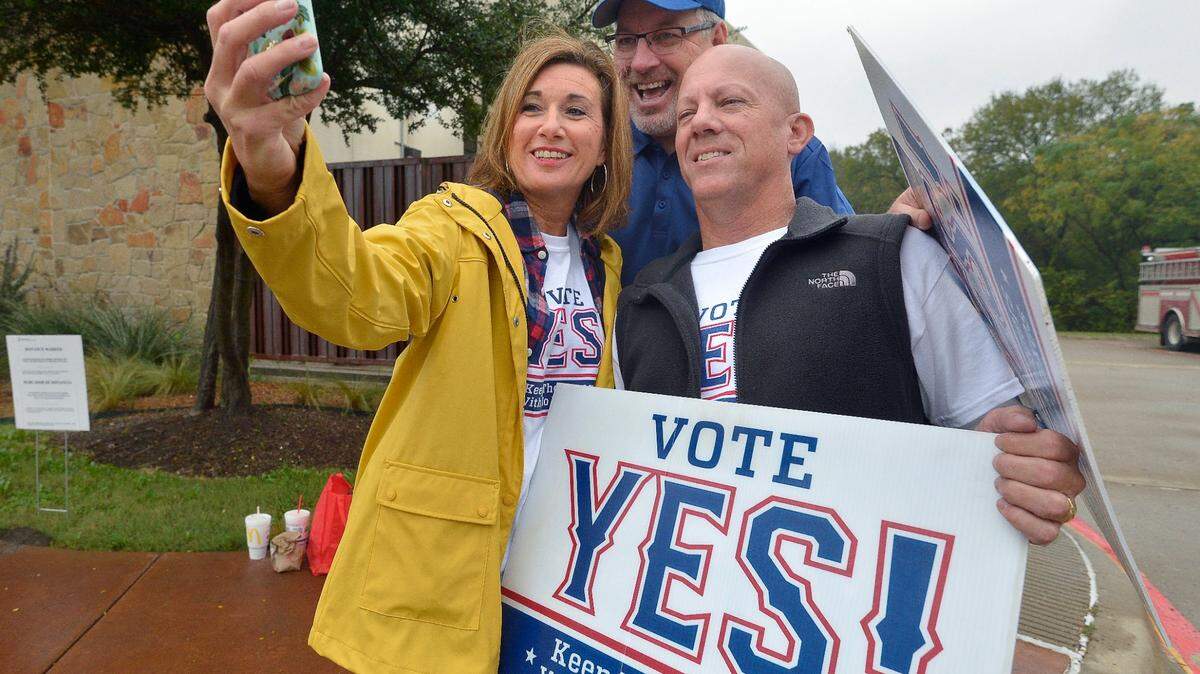
Pulling out your phone to record or take a photo at a random location is becoming increasingly common these days.
When something major happens, you’ll most likely see people video blogging, taking selfies, or starting a live stream.
But is it legal to record someone on a Texas street without asking first?
Can I legally record someone in public without their permission?
Texas abides by the “one-party consent” rule when it comes to capturing people on camera in public areas.
This means that recording a conversation or making a video recording is usually acceptable as long as one of the participants grants permission.
However, the law has exceptions when it comes to recording in public spaces where there is no reasonable expectation of privacy. Houston-based criminal defense attorney Brett Podolsky gave the example of recording in a restaurant.
“If Dave and Megan are eating lunch at a restaurant and Alice is seated at the table next to them, Alice may legally use an audio or video device to record their conversation. This is because Dave and Megan are in a public place, therefore they have no reasonable expectation of privacy even if they don’t consent to the recording,” Podolsky said.
If Dave and Megan are in their home or another private place, however, Podolsky said they can’t be recorded without consent. But if Dave calls Megan on the phone and records, he’s still protected under the law.
“In most cases, Dave is allowed to record the conversation even if Megan doesn’t know that the call is being recorded. This is because Dave has given consent to the recording,” Podolsky said.
When is it illegal to record in Texas?
Video recording is prohibited in certain situations, according to Podolsky. It is unlawful to record if consent is not first obtained:
In private spaces like dressing rooms or restrooms
in a manner intended to satisfy anyone’s sexual desires
in a manner intended to violate someone else’s privacy
Podolsky said any of these actions could lead to criminal charges, such as a felony that carries a maximum sentence of two years in jail and a $10,000 fine.
“Even if the individual did not make the original recordings, charges could still be brought against them if they seek to disseminate, sell, or trade illicit recordings,” he said.
This story was originally published November 12, 2024 at 2:14 PM.