
Texas politicians tout Texas freedom. Like all the time. Recent study: Hold my beer
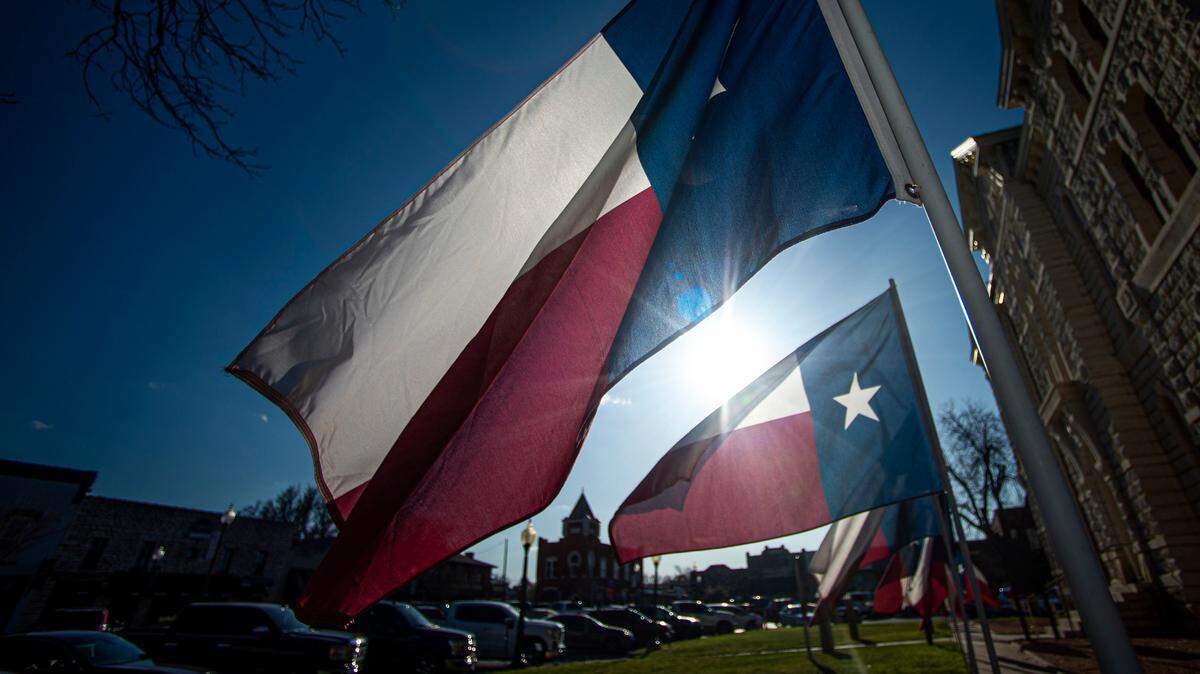
Leaders across Texas often tout the state as a beacon of freedom. In fact, those were the exact words of Governor Greg Abbott back in April when he accepted an award as one of the most influential people in the world.
“We have worked tirelessly to ensure Texas remains a beacon of freedom and opportunity for the entire world, and it is an honor to be recognized for all we have accomplished by being named as one of the most influential people in the world by TIME100,” said Abbott. “From building the eighth-largest economy in the world to leading a historic border security mission amidst the most prolific border crisis our nation has ever seen, one thing remains clear: where Texas leads, others follow.”
Abbott’s statement begs the question, are Texans truly free? The state did transform itself in the 20th century through social and cultural events.
But a beacon of freedom? Not necessarily, according to a study published by the libertarian think tank, CATO Institute. It compared personal and economic freedoms for all 50 states in 2023 and ranked Texas No. 17 overall, based on more than 230 state and local public policies.
Texas was ranked No. 6 in economic freedom, which includes fiscal and regulatory policy across a variety of categories including state and local taxation, land-use, and health insurance. The study found that local taxes are significantly higher than the national average, at roughly 4.7% of adjusted personal income, and Texans have limited options when it comes to local government, with only 0.33 jurisdictions per 100 square miles. It also reported that public employment has dramatically decreased. Private employment amounts to 10.5% and the government’s part of the GDP is only 9.2%.
As for personal freedom, Texas ranked No. 50 based on various factors, such as education, firearms, tobacco, and victimless crimes. It discovered that the state had very little freedom of education, much higher incarceration rates than the national average, the worst cannabis laws in the nation, and the continued prohibition of sports betting.
Overall, the report suggested that policy adjustments be made by Texas officials. It stated that in order to alleviate taxpayers, the state ought to exercise greater fiscal restraint at the local level and emulate other conservative governments by implementing a general education savings account program.
This story was originally published June 14, 2024 at 5:40 AM.