
Can a bite from a Texas banana spider kill? What is it? Here’s what you need to know
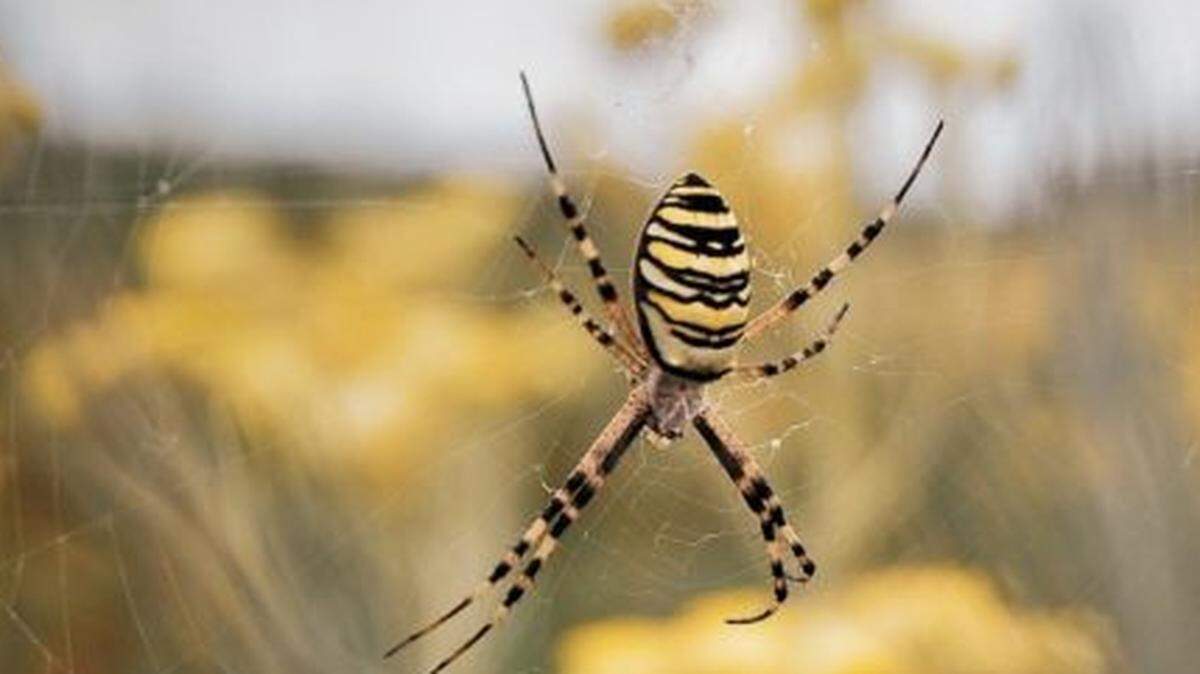
These web weavers have been found in shipping containers full of tropical yellow fruit, thus earning the moniker “banana spiders.” However these spiders come in all shapes and sizes, some being venomous and others not so much.
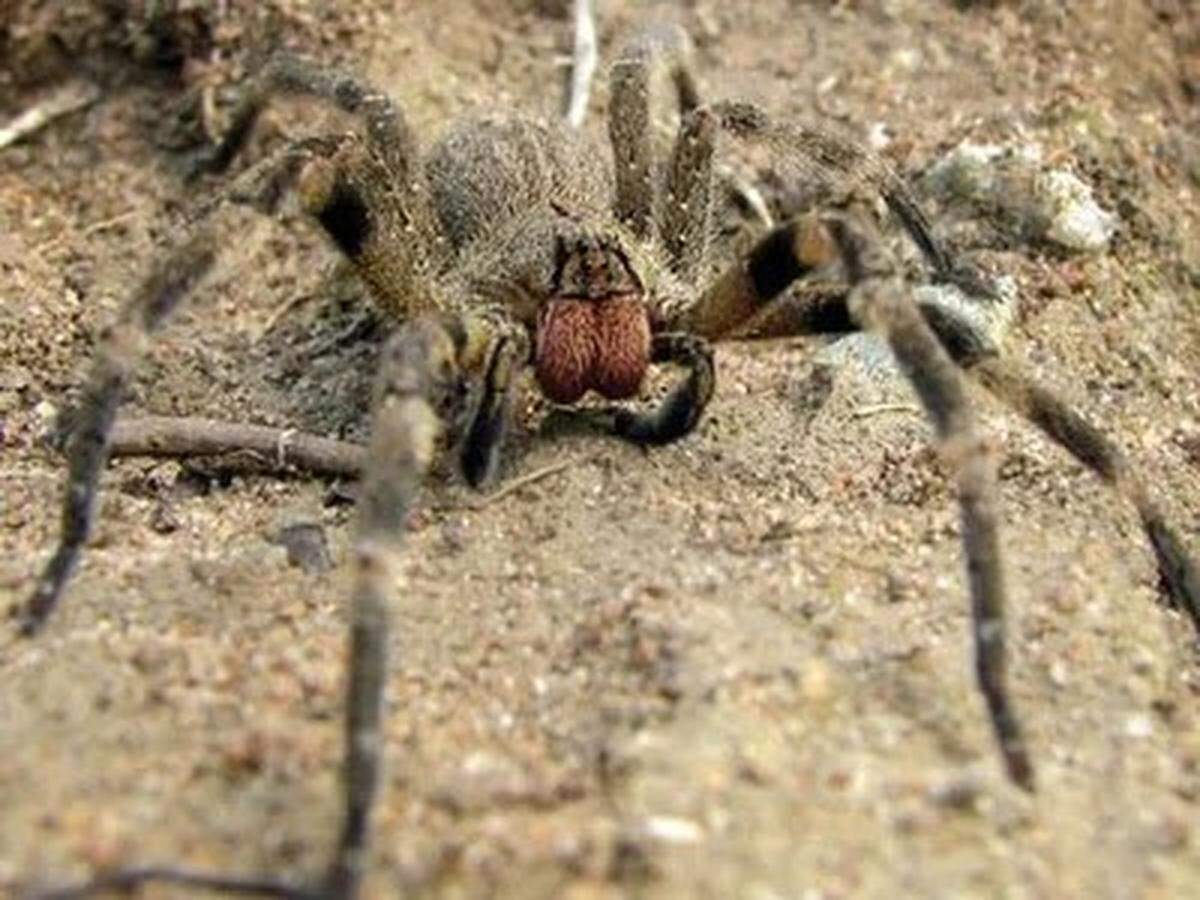
Luckily, for us in Texas, the banana spider, otherwise known as the Golden Silk Spider, is completely harmless. It is the banana spider’s doppelganger, the Brazilian Wandering Spider, that was named the most venomous animal in 2007 by the Guinness Book of World Records. To tell the two apart, take a closer look: Golden Silk spiders do not have the same red jaws as the Brazilian Wandering spiders.
Along with mosquitoes and chiggers, banana spiders come out mostly during the warmer summer months. They will wait till the weather is exceptionally hot to make their seasonal entrance — sometime mid-summer and hanging around until the fall.
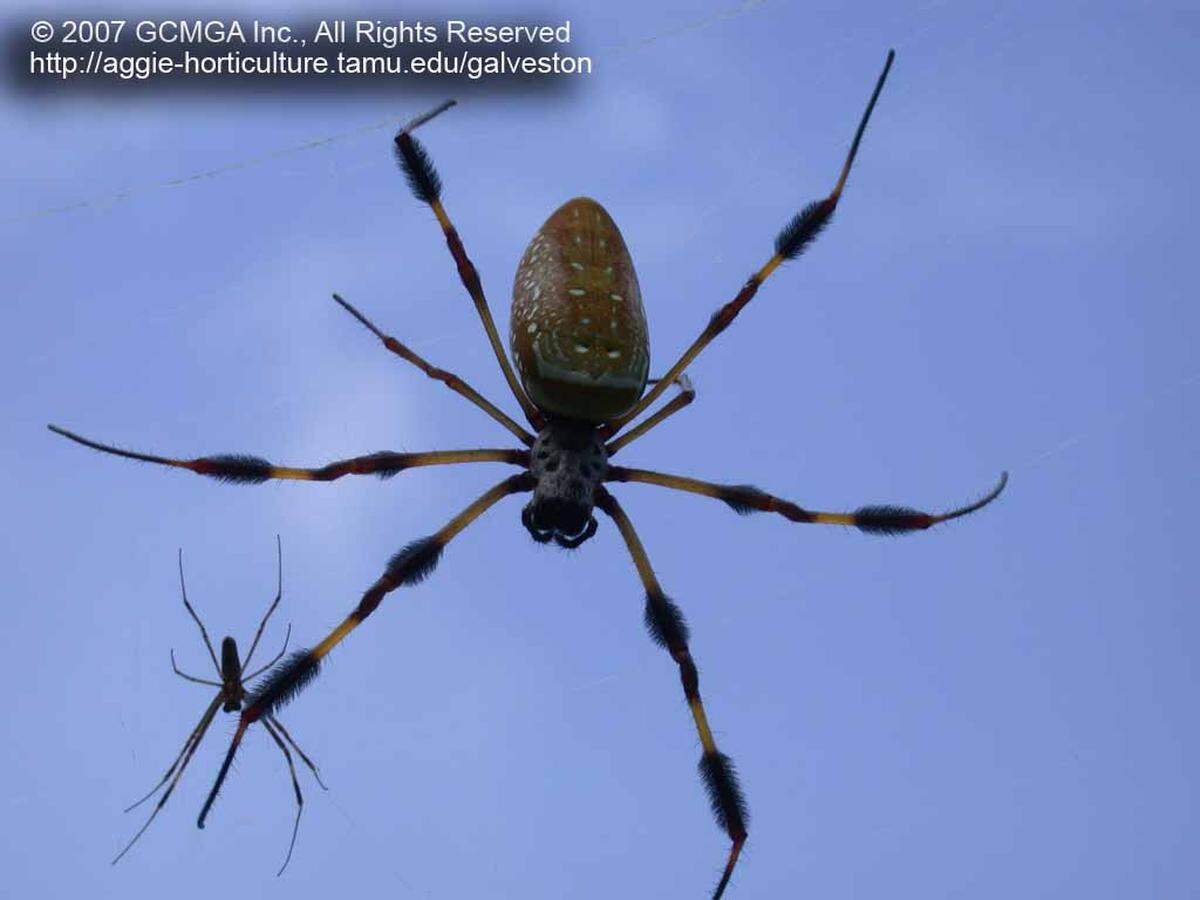
The male spiders, which are smaller than the female spiders, comes out first. They also vary in color, the males being brown, slender and only about an inch long. Females are about two to three inches, brown or orange with yellow spots, with long skinny bodies.
You can only find the Golden Silk Spider in the western hemisphere. And, it is the only one of the banana spider species that can be found in Texas. So, a bite from this species of arachnid means you will live. Here’s what you need to know about Golden Silk Spiders.
Where in Texas will you find banana spiders?
In the western hemisphere, the spiders live throughout the Gulf states, from North Carolina to Texas. Those who live in rural areas may be more vulnerable to running into one.
According to Texas A&M, “Typically, the webs are made in open woods or edges of dense forest, usually attached to trees and low shrubs, although they may be in tree tops or between the wires of utility lines. In relation to the ground, webs are woven anywhere from eye-level upwards into a tree canopy.”
Their nickname, the Golden Silk spider, comes from the color of their web. Their web thread has a golden color, resembling silk in which they build three to five foot large webs, the strongest of any arachnid nest.
Those who get bit may notice redness but very minimal pain, less than a bee sting. Unlike with a Brazilian Wandering spider, whose bite can cause excruciating pain. No need to treat a Golden Silk spider bite, they will heal on their own just like a mosquito bite.
If you see a banana spider in your house, remove it like you would with any other spider. They especially love humid environments.
Say hello to banana spiders. Which ones are venomous?
Golden Silk spider:
Location: Western Hemisphere, North Carolina to Texas along the gulf states.
Appearance: Male: one inch, brown, skinny. Female: tan or orange with yellow spots, two to three inches, long and skinny.
Venomous?: No.
Brazilian Wandering spider:
Location: South and Central America.
Appearance: Three to five inches, brown, red fangs.
Venomous?: Yes. Pain is excruciating and can last for about an hour.
Bromeliad spider:
Location: Central and South America, Haiti, Caribbean, and Jamaica.
Appearance: Orange and grays, less than an inch with long, spindly legs, red fangs.
Venomous?: No, but bite pain can last for about 10 minutes.
Hawaiian Garden spider:
Location: Taiwan, Guam, and Hawaii.
Appearance: Males are brown and are a quarter of the size of the females. Females can grow up to two and a half inches long with red, yellow, black, and white markings.
Venomous?: No.