These critters in Texas can kill you. Here is what to avoid this summer
The Texas heat isn’t the only harmful thing residents have to worry about when stepping out of their homes. There are critters out there, large and small, that can put you in a world of hurt.
Texas is home to some of the deadliest creatures in the country. Most of the deadliest animals stay out of sight, for the most part, safe in their natural habitats. But some live closer, like inside our homes, especially as the Texas summer heats up.
Here’s a list of deadly critters in Texas to stay clear of:
Snakes
Texans wouldn’t be hard pressed to recall a run-in with a slithering reptile.
There are over 105 different species and subspecies of snakes that call Texas home, according to Texas Parks & Wildlife. However, only 15 of those species are potentially dangerous to humans.
Some of the most venomous snakes found in Texas are copperheads, cottonmouths and rattlesnakes. Venom from these snakes are certainly harmful to humans, but most of the time are rarely fatal.
Still, the general consensus from the snake community is to stay clear of the cold-blooded creatures.
Spiders
Texas is home to two of the most venomous spiders in the country: the black widow and brown recluse.
A black widow spider has a mostly black body with a reddish hourglass shape on its underside, while the brown recluse is, in fact, of a golden brown tint. Both of these spiders can be found indoors and outdoors.
Both spiders’ bites are quite painful and those bit should seek immediate medical attention, but they’re attacks are rarely fatal. That being said, a black widow’s bite is reportedly 15 times more toxic than the venom of a rattlesnake, according to the Texas Department of Health and Human Services.
Scorpions
The two-claw, one-stinger arachnid is well known across the Lone Star State.
The most common species in Texas is the striped bark scorpion also known as centruroides vittatus, according to Texas A&M AgriLife Extension. These scorpions have a yellowish tan color with broad dark stripes running along its body, which can grow up to 2 and a half inches long as an adult.
A big misconception around scorpions is that the smaller they are, the more venomous their stings will be, but that is false, according to Pest Control Inc. Only a handful of scorpion species produce enough venom to be fatal to humans, however, being stung by one will leave you in extreme pain regardless.
Alligators
The large armored reptile is found mainly around swamps, rivers and bayous in Texas.
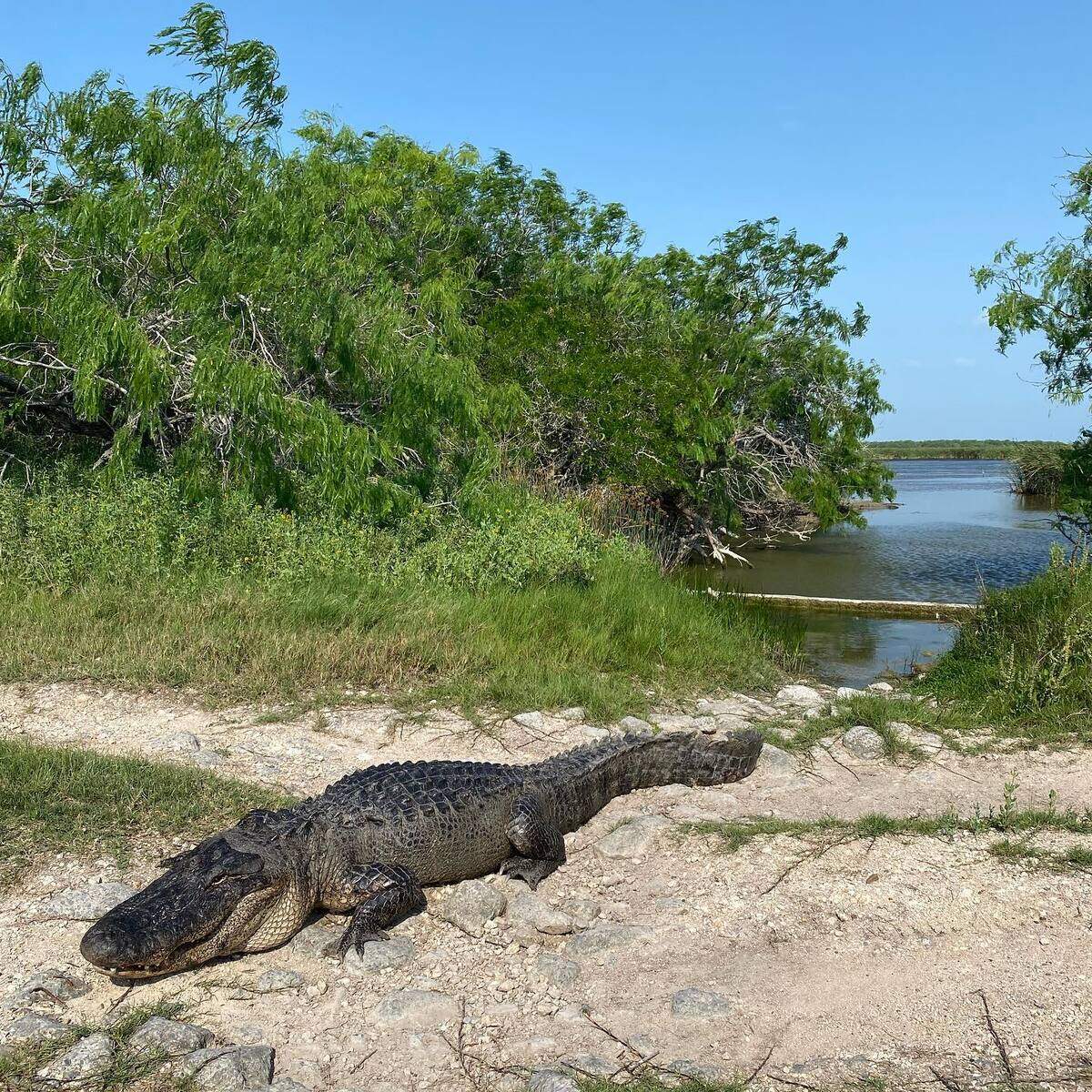
In Texas, the American alligator or alligator mississippiensis, can grow anywhere from 6 to 14 feet long, according to Texas Parks & Wildlife. While alligators are partial land animals, they’re mostly found throughout southeast Texas in freshwater areas. Some however, can be found in North Texas lakes on occasion.
The last alligator fatality in Texas happened in 2015 when a man was attacked and drowned by an alligator in Orange. It was the first alligator-related fatality since 1836, but even though attacks are rare they can happen.
Kissing bugs
These bugs are not here to spread love, but instead suck your blood.
Kissing bugs feed on blood, are active at night and measure about half an inch to a full inch long as an adult, according to Texas A&M. The insects feed on people, dog and wild animal blood, and have an almost-oval shaped black body with yellow brownish stripes on the outer rim.
They get their name from biting their victims around the mouth or eyes and about half of all kissing bugs carry a parasite that can make people and animals sick. Some kissing bugs poop when they bite and if that makes its way into the body, it could cause the person to get Chagas disease, which could lead to rash, fever, tiredness, vomiting or other body aches.
Chagas disease can be a lifelong infection and life threatening if untreated. To help avoid kissing bugs turn off outside lights, seal up any holes inside the house and keep the area under and around the house ne.
Mountain lions
These big cats aren’t the most playful to Texans.
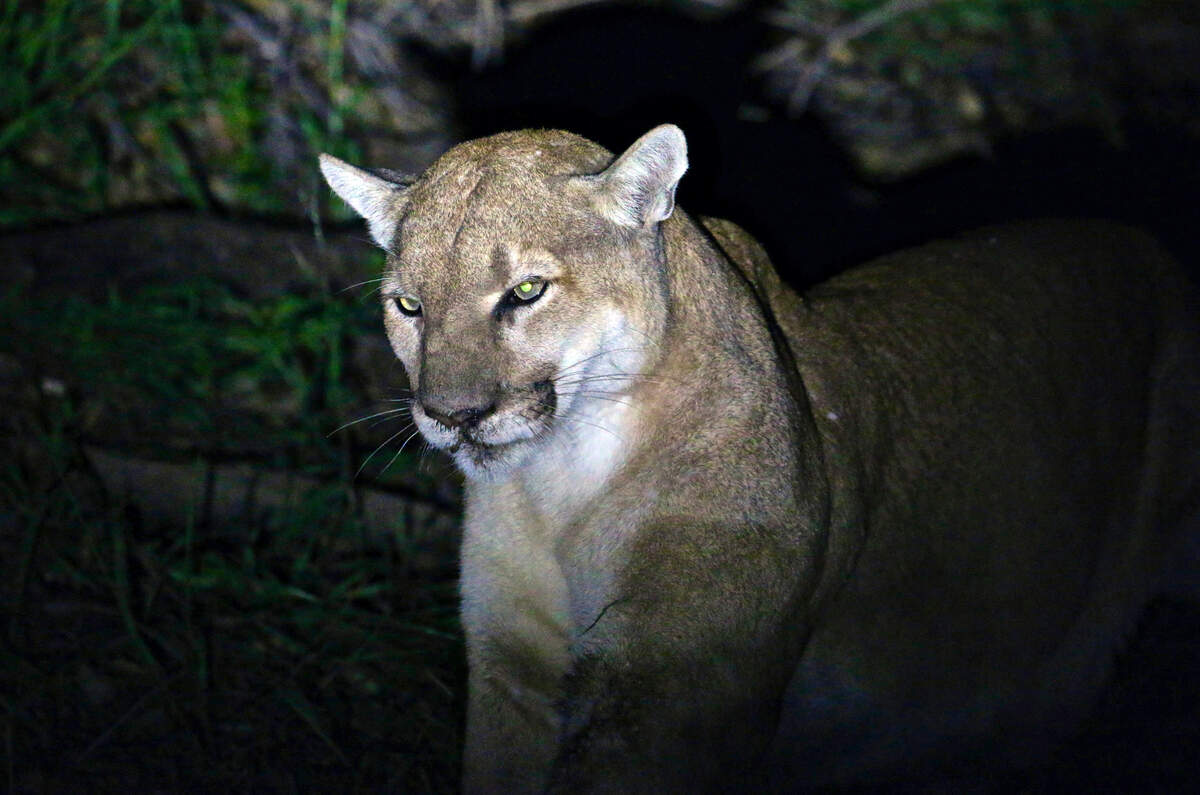
Mountain lions are native to Texas and their largest breeding population is in the Trans Pecos region, in far west Texas, according to Texas Parks & Wildlife. The animals are secretive by nature and its rare for humans to see a mountain lion unless they attempt to seek one out.
In Texas, mountain lion attacks are rare and if someone encounters one, they should stay calm, not approach or run from the lion, not turn their back to the animal and back away slowly.
Fire ants
These insects might be small but their bite is mighty.
Thousands of fire ants live in soft soil mounds found throughout Texas in open and sunny areas, according to Texas A&M. Their sting leaves the site of the injury swollen and it can burn, like fire, hence the name.
Fire ant mounds can contain more than 200,000 insects and are known to crawl over anything and everything in their vicinity. One sting might not raise any red flags, but if anyone has allergies, past reactions or have been stung more than one time, the results can be painful.
Armadillos
The small armor-clad mammals may look cuddly but they could potentially pass disease to humans.
Some armadillos are naturally infected with Hansen’s disease or leprosy, according to the Centers for Disease Control and Prevention. Symptoms of Hansen’s disease include discoloration of the skin, ulcers, numbness, enlarged nerves or paralysis.
However, the CDC stresses that risk for infection between an armadillo and human is very low. For general health purposes, people might want to avoid the small animals altogether.