
Can drownings in Texas be prevented? Here’s how many in the state do not know how to swim
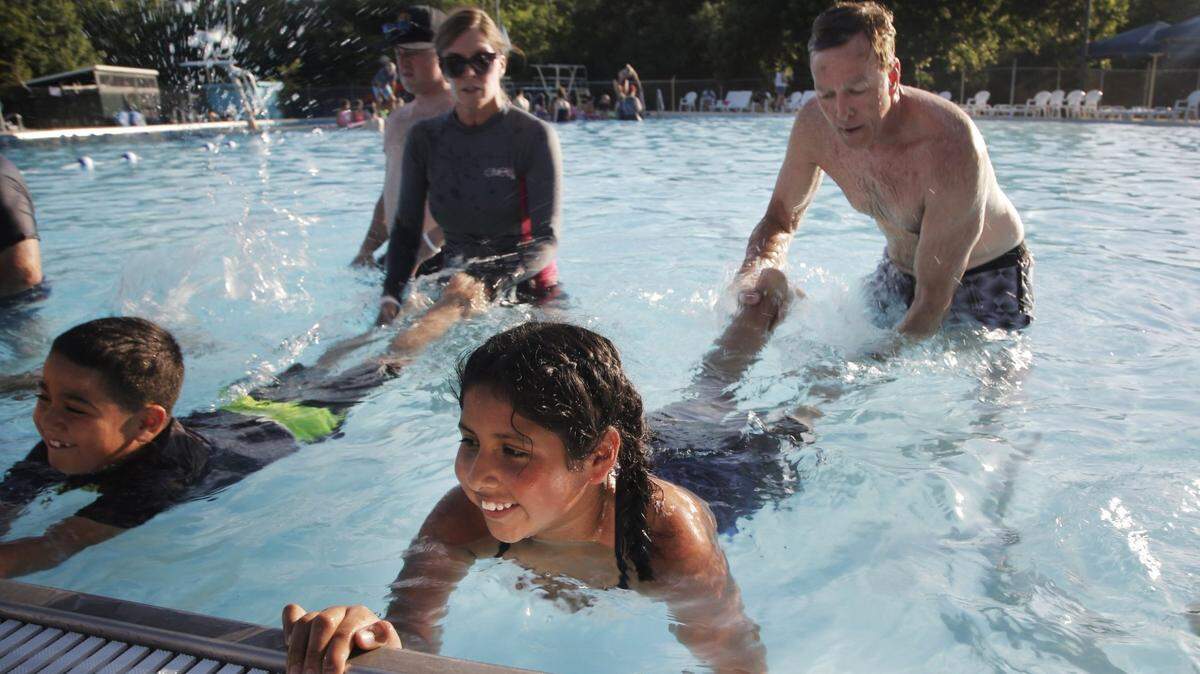
A growing segment of Texans, 12.9%, do not know how to swim, a recent study finds.
Surprising — and seemingly dangerous — in a state that boasts nearly 7,000 lakes and an enviable pool-to-people ratio, 36 Texans for every backyard swimming pool.
News of drownings in North Texas lakes over the Memorial Day weekend come as a blow, underscoring the findings in the recent study conducted by Poolnomics.com, a pool and spa care education company.
Drowning is the leading cause of death for children ages 1-4, according to the Centers for Disease Control and Prevention. Black people are more likely to drown (28%), and more than half of people in the U.S. (55%) have not had a swimming lesson. Between 2020-2022, nearly 4,500 drownings were recorded in the U.S.
Add to that the fact that Texas summers are only getting hotter where dipping in a body of cool water is not only refreshing but also a boon to one’s health, then the number of Texans who do not know how to swim is alarming.
“The findings of this survey should serve as a wake-up for our nation,” said Rick Patterson, Founder of Poolonomics. “Water safety is a fundamental skill, and the fact that nearly one in six American adults lack this ability is deeply concerning. It’s so important that we do something to address this issue and prevent tragic drowning incidents.”
The numbers are discouraging: 16.3% of American adults do not know how to swim, 61.8% of those were females while the remaining 38.2% were males. Coastal states had no difference in percentage of swimmers to non-swimmers.
Alaska had the highest percentage of non-swimmers, 25%. Maine and South Dakota followed at 22%. The states with the most swimmers were New Jersey, California, and Florida.
Texas was No. 11 among states with the highest percentage of non-swimmers. Texans in the age groups 18-24 (24%) and those 55 and older (22.5%) topped the list of groups who did not know how to swim.
They believe people never learn to swim due to a number of factors.
“These findings underscore the importance of inclusive and accessible swimming education programs,” added Patterson, “From integrating lessons into school curriculums to offering specialized courses for vulnerable demographics, a multi-faceted approach is crucial to bridge the swimming proficiency gap and promote water safety nationwide.”
To conduct the research, Poolnomics.com surveyed 3,000 adults across 50 states based on age and location.