Texas egg prices will recover ‘soon,’ experts say. Here’s why prices doubled in the last year
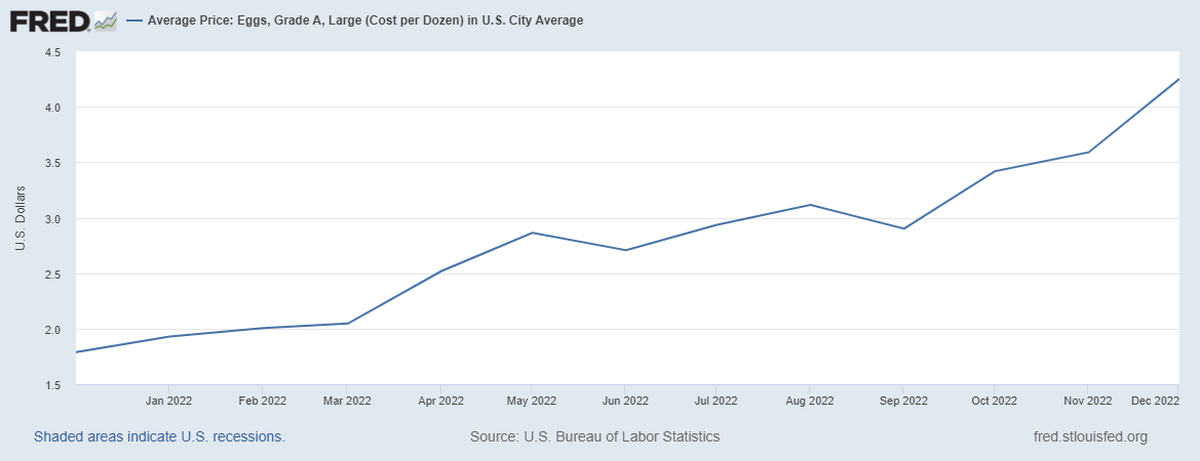
Over the last year, the average price for a dozen eggs has increased by 137.7%, from $1.79 to $4.25. The Texas Poultry Federation attributes the whopping price spike to inflation, supply chain issues and the avian flu.
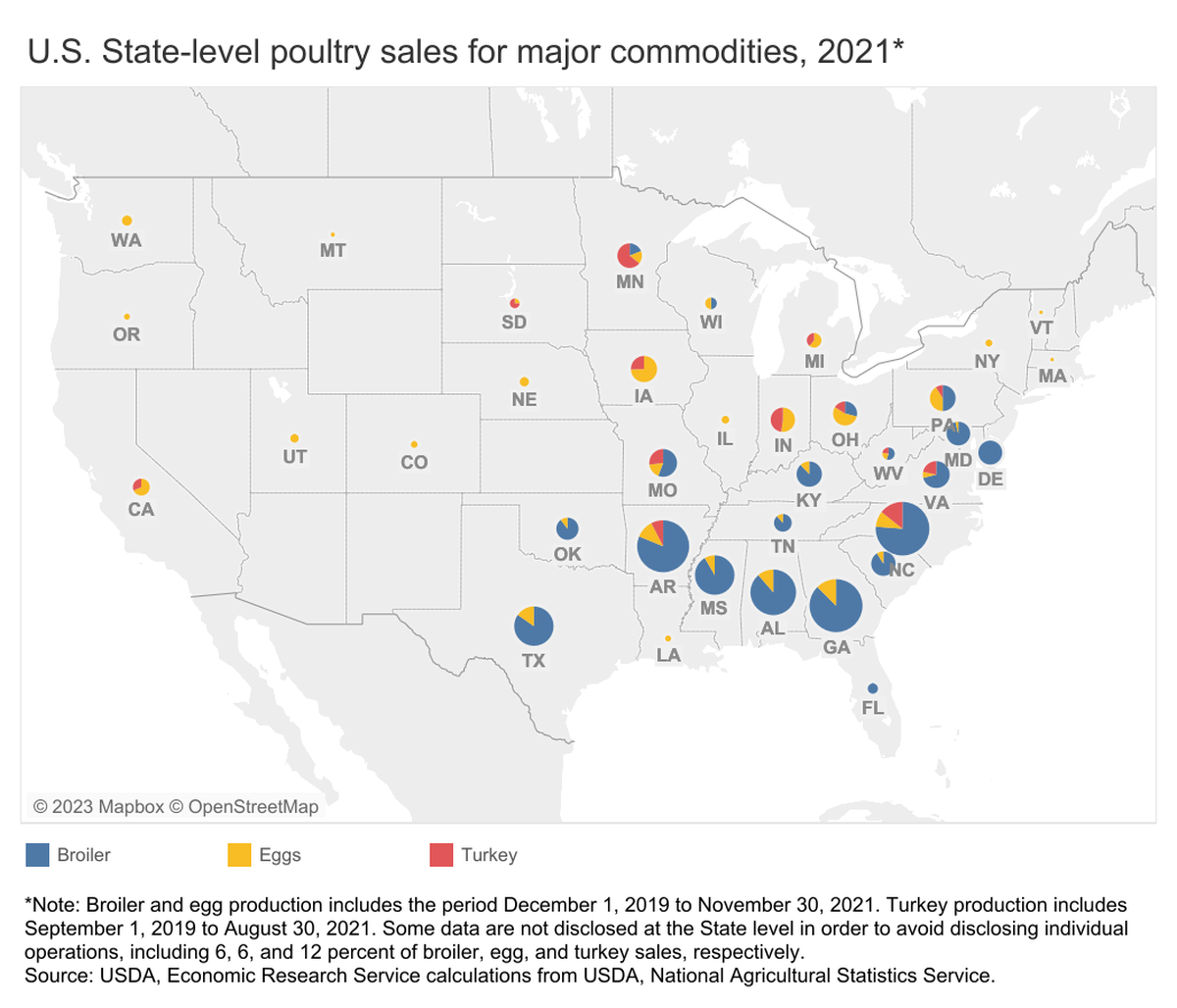
Those factors have made them less affordable for Texas families who increasingly rely on eggs as their daily source of protein. In recent years, poultry consumption has grown and displaced a substantial amount of red meat consumption. Texans bought $390 million in eggs between 2019 and 2021, per USDA data.
“It is a very high quality protein, a good source of nutrition for people,” said J.C. Essler, the Texas Poultry Federation’s executive vice president. “A large dozen of eggs is typically about one pound. Texas egg farmers and poultry farmers and producers are out there. We’re working as hard as we can to produce a great quality well-nutritious product for our Texas consumers.”
Meanwhile, eggs are becoming substantially more expensive for Texas shoppers. As of Jan. 13, the USDA South Central regional egg price report shows a dozen eggs cost between $3.52 to $4.85. So are groceries in general, with Dallas-Fort Worth grocery prices jumping 17% in the last year, the largest increase since March 1974, the U.S. Bureau of Labor Statistics reported in October.
That statewide price hike follows a nationwide trend. The average price for a dozen large Grade A eggs increased sharply between September and December 2022, according to the Federal Reserve Bank of St. Louis, from $2.90 to $4.25. In December 2021, the average price had been $1.79.
A highly pathogenic strain of avian flu found in Texas in April has been rapidly killing commercial and backyard poultry, a massive contributor to the rising cost of eggs. More than 57 million birds have been affected, according to the U.S. Department of Agriculture.
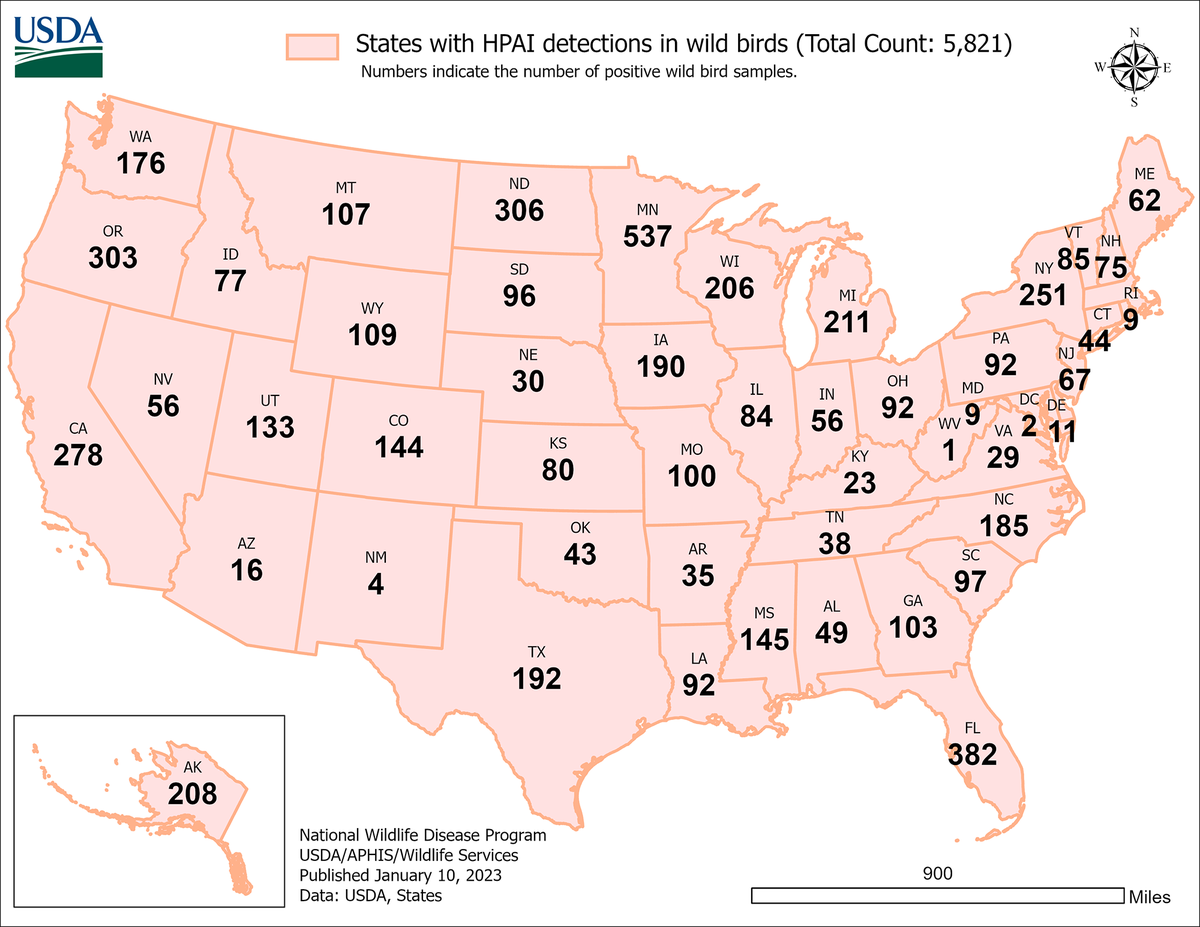
“It has reduced the number of birds in the United States that produce eggs, so our supply is down a little,” Essler says.
National egg production is down 5% from last year, according to the United States Department of Agriculture’s latest Chicken and Egg report, totaling 8.87 billion during November 2022.
Like other Texans, egg farmers have also been hit by inflation, which has impacted fuel and transportation, chicken feed and labor costs. Along with higher costs, supply chain issues have made it difficult for the farmers to get the materials they need to do things like box and crate the eggs.
Essler expects prices will rebound sooner rather than later, so eggs can remain a staple in Texas kitchens.
“Egg farmers and poultry producers are starting to come back into production,” he said. “So hopefully, we will be seeing a recovery soon.”
This story was originally published January 16, 2023 at 6:08 AM.