Bird flu: As H5N1 spreads, with first human case in US, what does it mean for Texas?
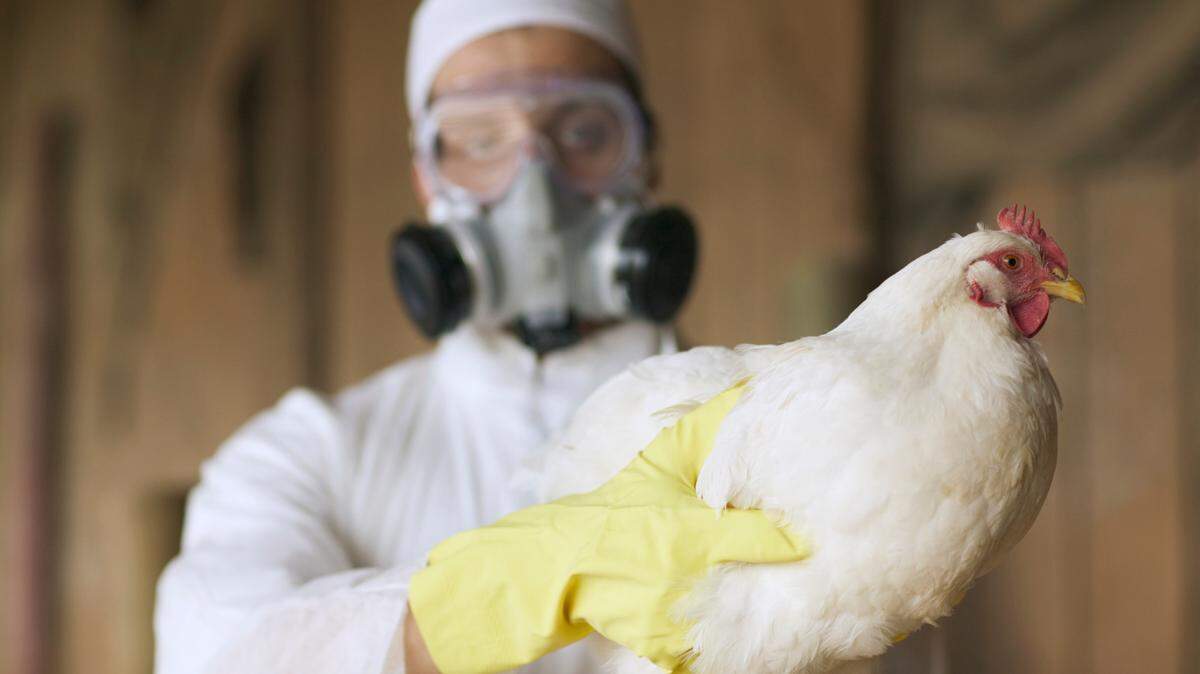
A highly pathogenic strain of avian flu that’s been found in Texas and 29 other states has been rapidly killing commercial and backyard poultry. On Thursday, the Centers for Disease Control and Prevention announced that a Colorado man was the first human in the U.S. to test positive for the H5N1 virus.
It’s the worst outbreak since 2015, when an epidemic killed more than 50 million chickens and turkeys. This time, more than 35 million birds have been affected, according to the U.S. Department of Agriculture.
The Fort Worth Zoo has moved many of its birds out of public view as a precaution.
To help understand how the avian flu could affect you, we consulted with Greg Archer, a poultry specialist at the Texas A&M AgriLife Extension.
Where was bird flu found in Texas?
The U.S. Department of Agriculture Animal and Plant Health Inspection Service and Texas Animal Health Commission reported the first case in Texas on April 3. The virus was found in pheasants produced for hunting at a game-bird operation in Erath County.
“The quarantine has expired on that one, so technically there’s not an active case of avian influenza in Texas at the moment,” Archer said. “And that was pretty isolated. It was up in an area of Texas where there’s not a lot of poultry.”
While the origin has not been determined, it is suspected to have been tracked in by people working in the facility, such as through bird feces on the bottom of a boot.
How does bird flu spread?
Avian flu mainly spreads through infected birds’ saliva, mucous and feces, according to the CDC.
Infection among humans is rare, but it can happen when enough virus gets into a person’s eyes, nose or mouth, or is inhaled. People with close or lengthy unprotected contact with infected birds or places that sick birds have touched, may be at greater risk. Seasonal flu vaccination can reduce the risk of getting sick with the bird flu.
The risk of humans contracting avian influenza is very low, according to the CDC. The Colorado man who contracted the virus was involved in culling infected poultry. The only symptom he exhibited was fatigue, and he’s since recovered, the CDC said.
“This case does not change the human risk assessment for the general public, which CDC considers to be low,” the agency said in a release.
Symptoms of H5N1 are similar to the seasonal flu, such as fever, fatigue, lack of appetite and coughing. People may also have red eyes, nausea, abdominal pain, diarrhea and vomiting.
Is it safe to eat chicken and eggs?
While it is safe to eat poultry products, the USDA recommends cooking all poultry and eggs to an internal temperature of 165 degrees to kill bacteria.
Cooking poultry, eggs and other poultry products to the proper temperature and preventing cross-contamination between raw and cooked food is the key to safety, the USDA says. You should:
- Wash hands with warm water and soap for at least 20 seconds before and after handling raw poultry and eggs;
- Prevent cross-contamination by keeping raw poultry and eggs away from other foods;
- After cutting raw meat, wash cutting boards, knives and countertops with hot, soapy water;
- Sanitize cutting boards by using a solution of one tablespoon chlorine bleach in one gallon of water;
- Use a food thermometer to ensure poultry has reached the safe internal temperature of at least 165 degrees to kill food-borne germs that might be present, including the avian influenza viruses.
How is avian flu affecting the price of chicken and eggs?
Inflation is already affecting food prices, and you may have to pay even more at the grocery store as the flu decreases supplies of poultry.
According to the USDA’s National Retail Report on chicken, a regular pack of chicken breasts averages $4.15 per pound, up from $3.72 last week and $3.11 this time last year. Egg prices are also rising. A dozen brown eggs cost $4.04 on average this week. That’s up from $3.91 the previous week and $3.57 this time last year.
Should I take down my bird feeder?
If you keep birds on your property, it’s best to take down any bird feeders or bird baths, because that can increase contact between them and other birds and potentially expose them to the flu.
“Central feeding points cause animals to gather in one place where pathogens can be shared,” the USDA says.
How can I protect my backyard chickens and pet birds?
All bird owners should prevent contact between their birds and wild birds, the USDA says. And they should be mindful of any situation that increases the risk of exposure – such as food and water sources that can be accessed by both wild birds and poultry flocks or bird feeders and baths near their flock, Archer said.
Avoid contact with birds that are ill or dead and avoid contact with surfaces that could be contaminated with feces from wild or domestic birds. If you have to handle wild birds or sick or dead poultry, minimize direct contact by wearing gloves, and wash your hands with soap and water after touching birds. Wear respiratory protection such as a medical mask and eye protection such as goggles.
Any sudden increases in sick birds or bird deaths should be immediately reported to the TAHC at 800-550-8242 and/or USDA at 866-536-7593. Once you report it, personnel will test them for the flu and work to contain it if they test positive.
The Texas Animal Health Commission offers these tips to protect your birds:
- Eliminate opportunities for your birds to interact with wild birds. We know that wild waterfowl are carriers of disease. The best way to avoid diseases that wildlife carry is to keep domestic animals separated from the wild.
- If you have birds at home, do not visit another farm, home or facility that also has birds. If you must visit another premises, be sure to shower and put on clean clothes and shoes beforehand.
- Remember that vehicles can be vehicles for disease transmission. Before you drive down the road, consider where you are going. Will you be heading to the fair, another farm or a live bird market? If the answer is yes, be sure your vehicle is clean and free of dirt, manure and other organic material.
- Early detection can help prevent the spread of disease. Knowing the signs to look for and monitoring the health of your birds on a regular basis is very important. Some signs to look for include nasal discharge, unusually quiet birds, decreased food and water consumption, drop in egg production, and increased/unusual death loss in your flock.
- Report sick and dead birds immediately. If your birds appear sick or you have experienced increased mortality, immediately call your private veterinarian or your TAHC region office.
What are the signs of flu in birds?
If you have backyard chickens, look for these warning signs from the USDA:
- Lack of energy and appetite
- Decrease in egg production
- Soft, thin-shelled or misshapen eggs
- Swelling of the head, eyelids, comb, wattles and hocks
- Purple discoloration of the wattles, comb and legs
- Gasping for air or difficulty breathing
- Coughing, sneezing, and/or nasal discharge
- Stumbling or falling down
- Diarrhea
- Sudden increase in bird deaths without any clinical signs
How can I stay safe from bird flu?
While the bird flu does not normally infect people, Texas Parks and Wildlife suggests taking these safety precautions:
- Avoid touching wild birds. If there is contact with wildlife, do not rub eyes, eat, drink or smoke before washing hands with soap and water.
- Use disposable or washable gloves when cleaning or handling backyard feeders, bird baths or other equipment. Wash hands thoroughly after handling.
- Contact your state, county, tribal or local natural resource agency if a sick or dead animal is found.
- Do not handle obviously sick birds or birds found dead.
- Wear rubber or disposable latex gloves while handling and cleaning game. Wash hands with soap and water (or with alcohol-based hand products), and thoroughly clean knives and surfaces that come in contact with game.
- Do not eat, drink or smoke while handling or cleaning birds.
- Cook all meat thoroughly (155 to 165 degrees) to kill disease organisms and parasites.