What is Title 42? Could it be extended? What to know about the order and the border
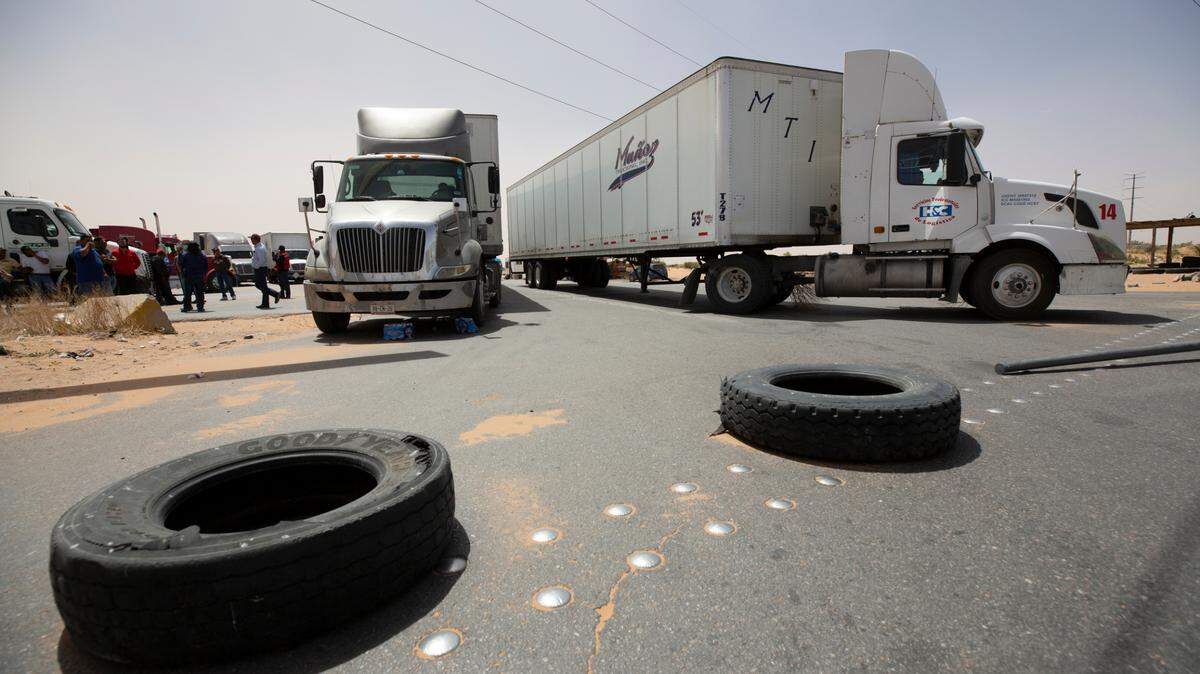
Commercial trucks waiting for thorough inspections at the U.S.-Mexico border have caused fresh produce and other perishable goods to spoil as drivers sit in long lines or form blockades in protest.
The heightened inspections conducted under the direction of Gov. Greg Abbott are in response to the ending of public health order Title 42, created during the pandemic to address migrants crossing into the U.S.
With around 20,000 trucks crossing the border daily, the long inspection times have caused a backlog in trucks coming into the U.S., Texas Agriculture Commissioner Sid Miller said in a statement Tuesday.
[More: Commercial trucks stopped at U.S.-Mexico border cause grocery supply delays. What to know]
Miller called the inspections “a clog in the drain” and said the state was answering one border crisis with another.
“This is not solving the border problem, it is increasing the cost of food and adding to supply chain shortages,” he said.
What is Title 42?
Title 42 is a public health order established in March 2020 requiring the expulsion of unauthorized single adults and family units arriving at U.S. land borders to prevent the spread of COVID-19. The order was issued by the Centers for Disease Control and Prevention.
Secretary of Homeland Security Alejandro N. Mayorkas said in a statement that the order is not an immigration authority but a public health authority.
When is Title 42 ending?
The CDC announced April 1 that it would end Title 42 on May 23.
“After considering current public health conditions and an increased availability of tools to fight COVID-19 the CDC Director has determined that an Order suspending the right to introduce migrants into the United States is no longer necessary,” the CDC said in a statement.
What will happen once Title 42 ends?
The ending of Title 42 on May 23 would mean a return to migrants processed at the border under Title 8, which relates to immigration regulations.
Mayorkas said the Title 8 processing is the standard procedure used to place unauthorized migrants in removal proceedings.
“Nonetheless, we know that smugglers will spread misinformation to take advantage of vulnerable migrants, he said. “Let me be clear: those unable to establish a legal basis to remain in the United States will be removed.”
Additional personnel and resources are expected to be deployed, with over 600 law enforcement officers already sent to the border, Mayorkas said.
How does the end of Title 42 impact Texas?
Despite the announcement from the Department of Homeland Security assuring unauthorized migrants would be placed under Title 8 removal proceedings, Gov. Abbott ordered Texas Department of Public Safety troopers to heighten inspections on April 6. The directive was issued as an attempt to “secure the border” from migrants who cross into Texas from Mexico.
Abbott announced DPS and the Texas Military Department are preparing additional boat blockades, deploying razor-wire at low-water crossings and high-traffic areas, and installing container blockades to stem the flow of illegal crossings. Abbott also said DPS troopers and specially trained Texas National Guard soldiers will be given riot gear in case of violence among caravans and migrants.
Commissioner Miller has spoken against Abbott’s heightened border inspections, instead encouraging the state to use resources to push back against the ending of Title 42.
Though Title 42 is still set to end May 23, Mayorkas said increases in migration have existed before the end of Title 42, citing an increase over the past decade.
“[Department of Homeland Security] is always preparing for the ebb and flow of migration patterns,” he said. “We will continue to work with countries throughout the Western Hemisphere to offer safe and legal pathways for migrants seeking protection or resettlement, streamline repatriations, address root causes, and take enforcement actions against the smuggling networks that entice migrants to take the dangerous and often deadly journey to our land borders.”
[More: Take our poll: Do you support Abbott’s new policy to inspect all trucks at the border?]