My letter to Ukrainians around the world | Opinion
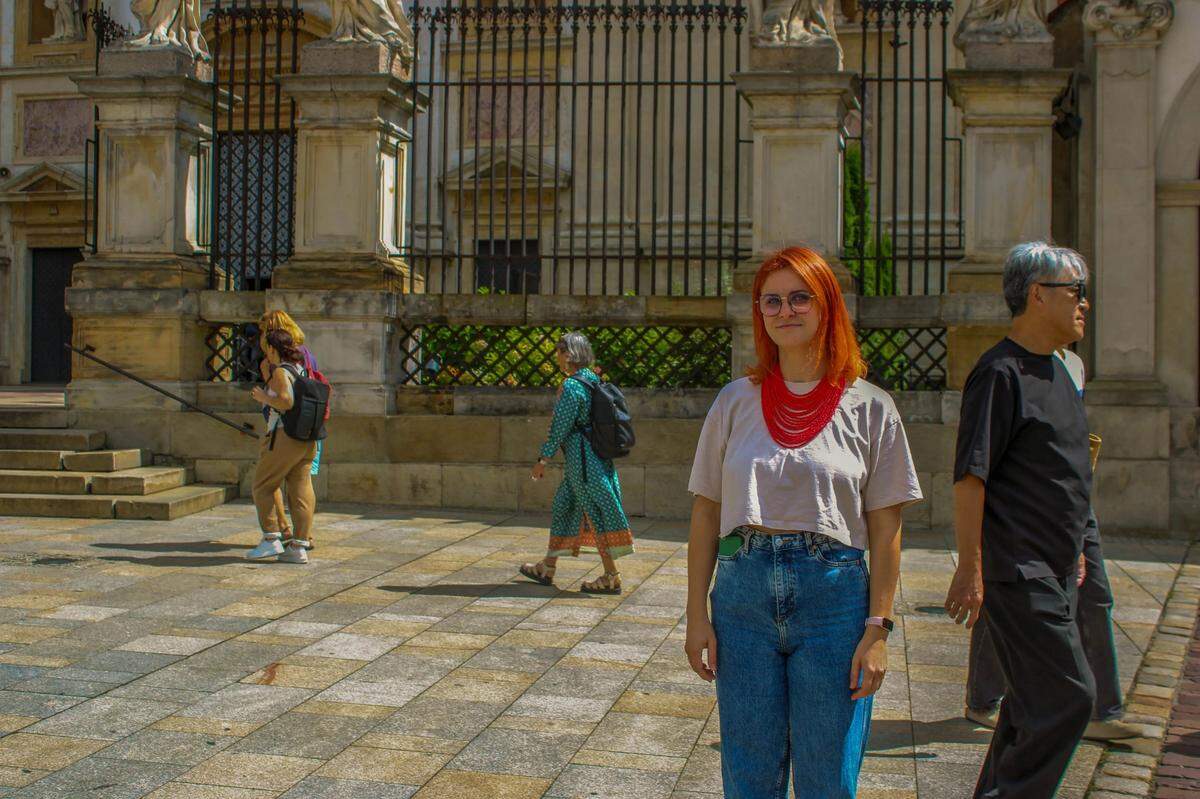
.jpeg "Kamilla Kosenko (right) shows Pulitzer Center Reporting Fellow Ella Gonzales a western Ukrainian specialty at a Pijana Wisnia (Drunken Cherry wine bar) in Krakow, Poland.")
READ MORE
Ella Gonzales’ Pulitzer Center reporting trip to Poland
Fort Worth Star-Telegram service journalism reporter Ella Gonzales spent two weeks in Poland speaking with Ukrainian refugees as a part of a Pulitzer Center fellowship. Here’s what she found, plus her first-person experience.
Expand All
.jpeg)
Reporting for this story was supported by the Pulitzer Center. Ella Gonzales is a 2024 Pulitzer Center Reporting Fellow.
It was the middle of my reporting trip when I found myself at a Pijana Wisnia wine bar in Krakow, Poland, with a Ukrainian war veteran named Kamilla Kosenko.
One ypa (Ukrainian “cheers”) after another, she told me, “We are going to give you a night you will never forget.”
We started with a scavenger hunt around Krakow. From broken brick roads to Jewish synagogues that have stood since before World War II, it was surprising that I learned more about Ukraine’s culture than the Polish town we were walking through.
Yes, the point of the night was to learn more about Krakow’s history. However, I cared less about that. I was fascinated by who Kamilla is and the Ukrainian soul that poured out of her.
The night was indelible, as is my memory of red-headed Kamilla.
I observed that Ukrainians are proactive.
Kamilla could sit around and cry about the despicable things happening in her home country. However, that is not how Ukranians are. Instead, she is giving back to her community by working as a military psychologist for Project Hope, a global refugee agency.
Ukrainians are resilient.
Though Kamilla began in a Project Hope center with her 5-year-old son, she decided she did not want to live in a place of fear. She took her son and found two Polish roommates (who now double as her best friends). Despite living in this new country, Kamilla is still able to speak with her son in his native language (Ukrainian) along with her two roommates, who learned the language for his sake. She tells him, “You are Ukrainian, and your mama is Ukrainian, and your father is Ukrainian.”
Kamilla has even mentioned she feels more Ukrainian now than ever because of war.
Ukrainians are hospitable.
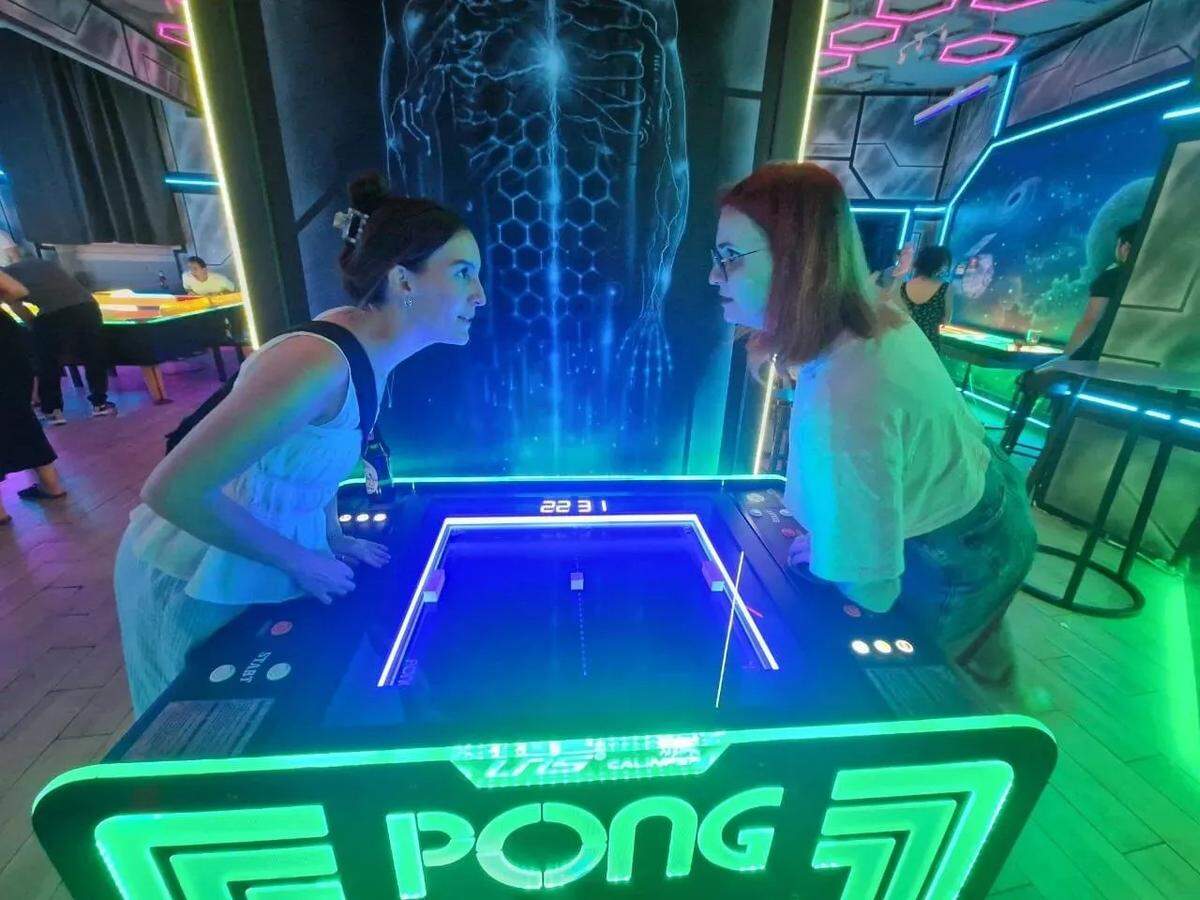
Any time I spent with Kamilla, she ordered and bought my food for me simply because, in her words, “you’re my guest!” After only knowing her for an hour, she wanted to show me traditional milk bar food from the Soviet Union times and even organized the scavenger hunt so I could learn more about this new town she lives in. Safe to say Kamilla’s hospitality has me missing Poland.
Ukrainians are spirited.
Kamilla spends her free time learning more about Ukrainian history from the 15th and 16th centuries, specifically about her hometown. She’s spent countless hours translating manuscripts and old books and building her family’s genealogy tree. Kamilla’s spirit for Ukraine shines in everything she does.
Ukrainians are proud.
Kamilla wears a namysto, a red beaded necklace that is popular in Ukrainian culture. It represents a woman’s health and strength. She wore it on the day that she knew I would be taking photos of her. And she wasn’t the only woman I met who wore such a necklace.
These traits that Kamilla exemplified were present in each of the other five Ukrainian women I spoke with.
No one should know how to be a war prisoner, yet Ukrainians remain as remarkable compatriots of their beloved Ukrayina.