
Burials found in rural Mexico may be ancient Mayan offerings. See inside the graves
While the Mayans may be best known for the massive pyramid of Chichén Itzá or the towering fortress in Tulum, evidence of their expansive and diverse culture can be found across Mexico.
In hopes of discovering these hidden pockets of ancient history, archaeologists and researchers started a project called the Mayan Train, aimed at finding poorly explored or yet-to-be found sites.
As part of this project, researchers traveled a route of about 22 miles between the towns of Constitución and Lechugal, according to a June 10 news release from the National Institute of Anthropology and History.
Teams spread out along the road and searched 65 feet on both sides, leading to significant discoveries.
In that single stretch, archaeologists uncovered 26 ancient Mayan human burials, some of which may have been given as offerings.
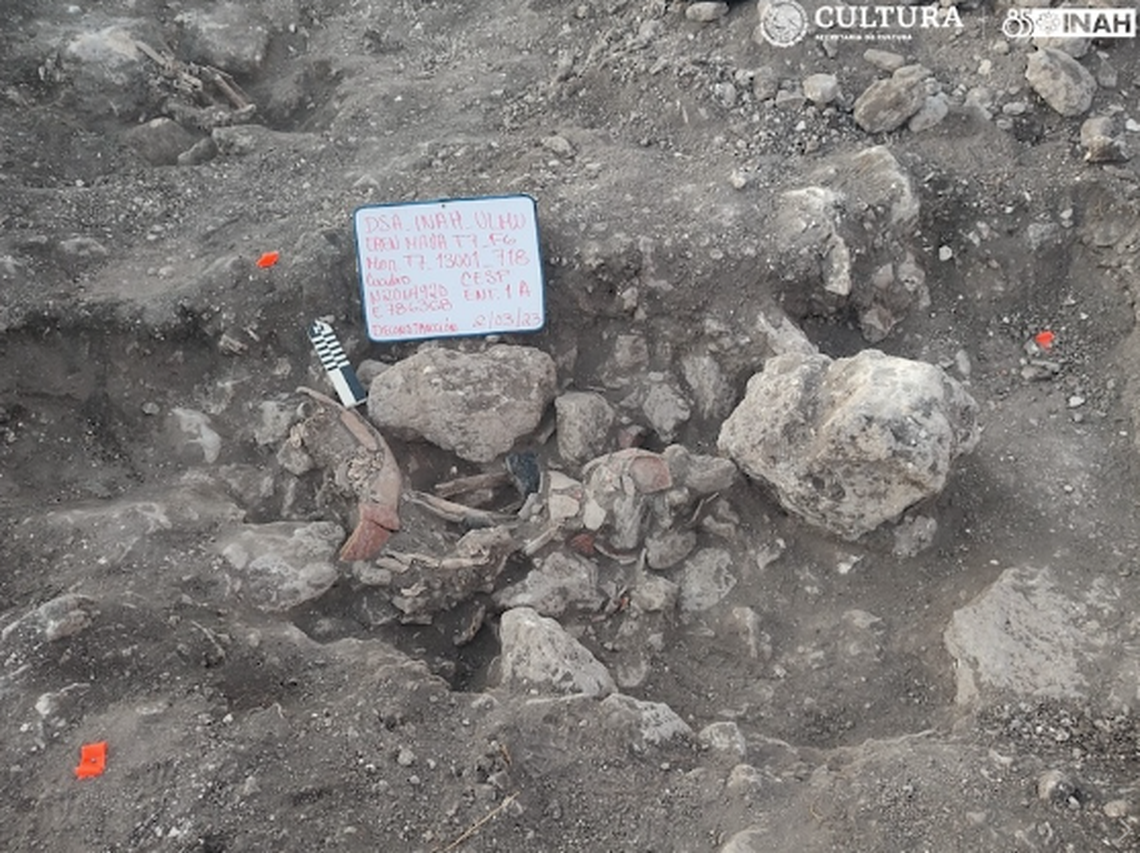
Unlike other burials discovered outside major cities, these graves were found in small concentrations of plazas or generally modest houses, according to the release.
More than half of the burials were found in the basements of ancient homes, and about one-third of the burials were found within the foundation of the buildings, researchers said.
The sites were dated to the Early and Late Classic Periods, somewhere between 250 and 900 A.D., according to the release.
A few of the burials were under cists, or arrangements of stones that act as a sort of coffin, and researchers said the bodies were offered to the buildings.
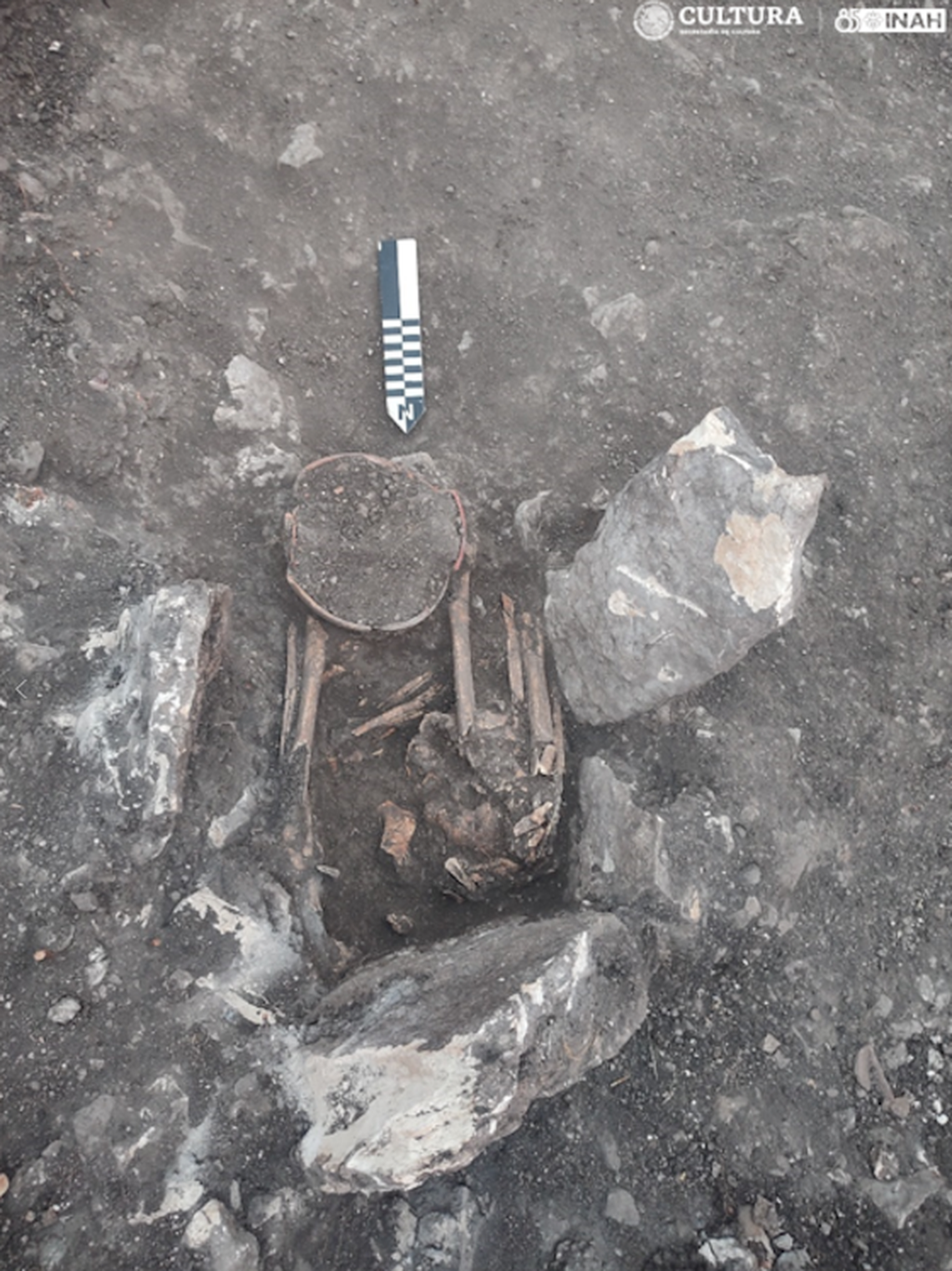
One burial site contained four sets of remains, two in cists, that were buried with ceramic pieces around the feet and rib cage, researchers said.
Another site, considered striking by the archaeologists, was about 10 feet deep under what would have been a central plaza, according to the release.
The location suggests the person was dedicated, or given up to, this monument or construction, researchers said.
Other burials were equally unique.
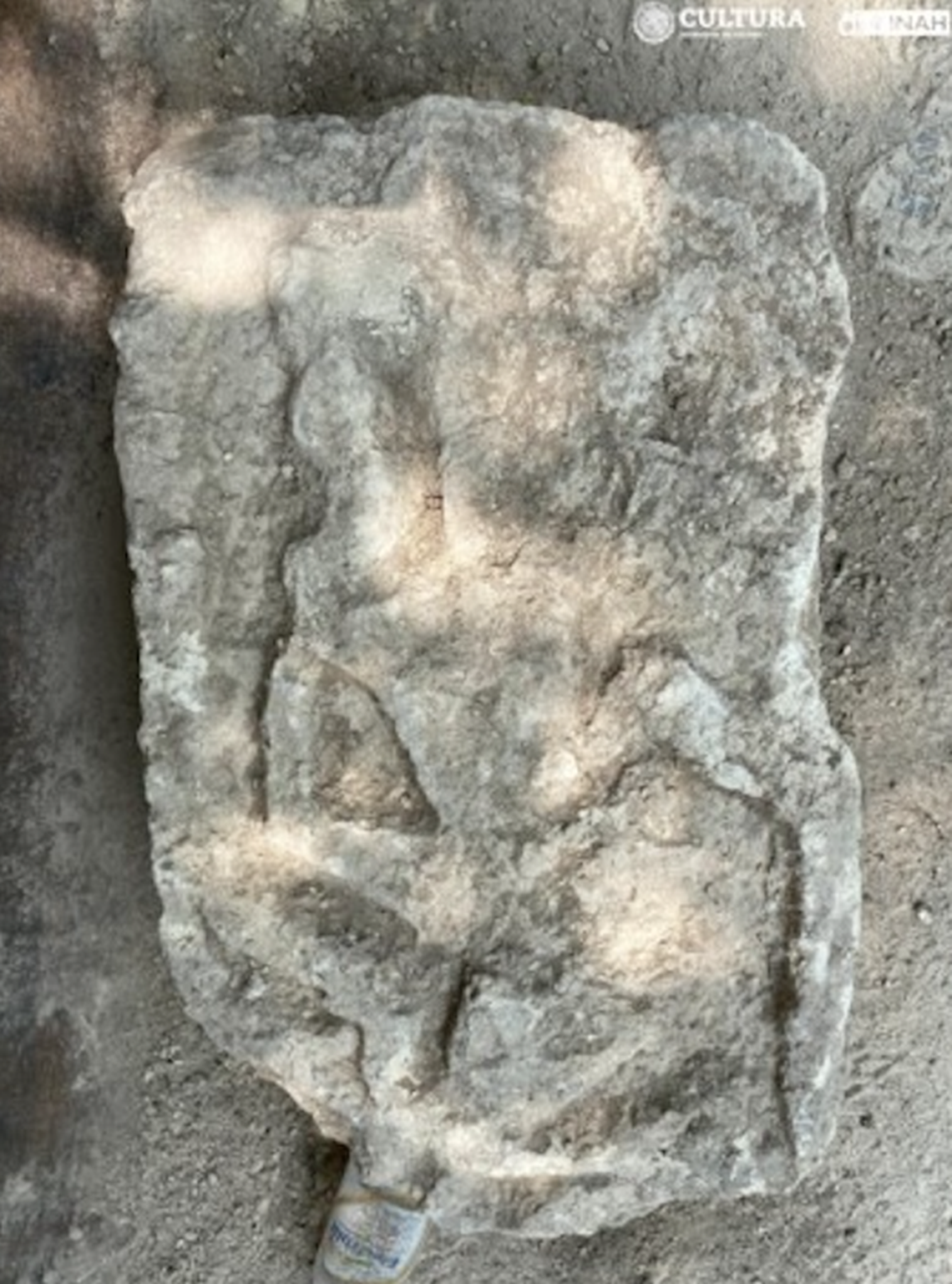
Researchers discovered the fallen walls of a room with three tombstones among the rubble.
One of these tombstones showed the image of a male figure in a skirt, one of his arms pointing and the other flexed, according to the release. Another tomb shows an anthropomorphic figure, and a third shows just the torso of a man.
Many of the bones were found in poor condition, researchers said, but the bodies may be able to help archaeologists understand the diet of the ancient Mayan people by using stable isotopes found in the bones.
The sites also stand out because they are not near water, like other large cities at the time, and researchers are hoping to learn more about how the Mayans solved that problem.
The sites were discovered on the Yucatan peninsula in southeastern Mexico.
Google Translate was used to translate the news release from the National Institute of Anthropology and History.
This story was originally published June 11, 2024 at 2:41 PM with the headline "Burials found in rural Mexico may be ancient Mayan offerings. See inside the graves."
