A new ‘Cicada’ COVID-19 variant is spreading across the US, including in Texas
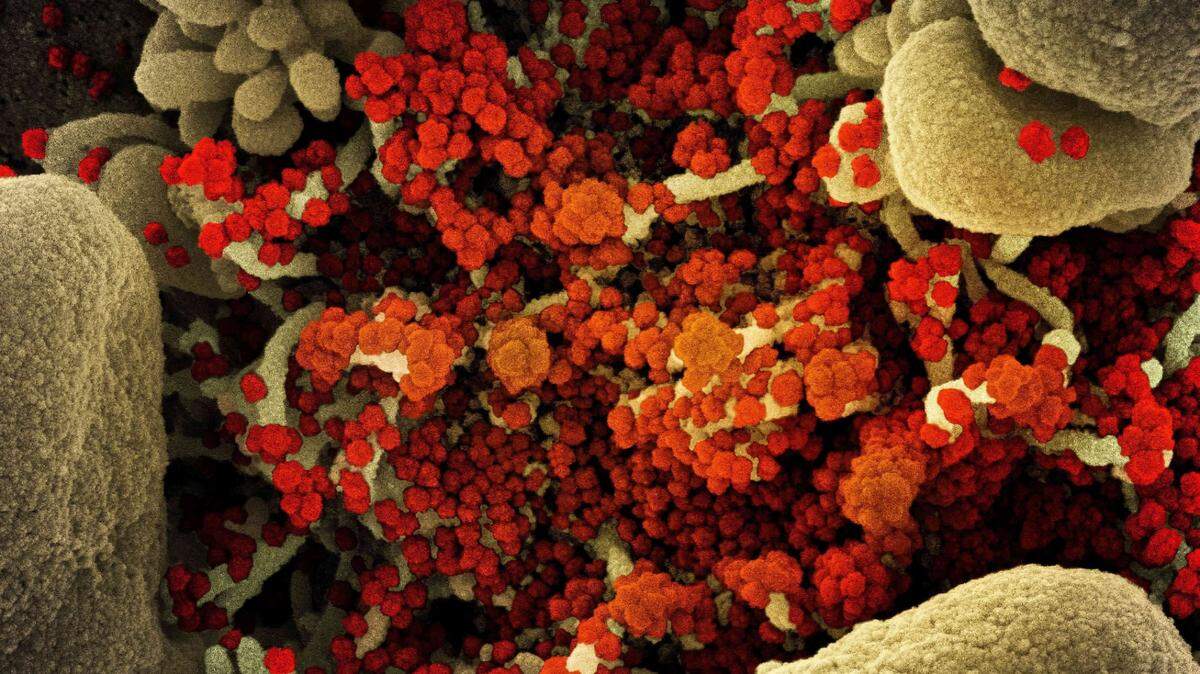
A new COVID-19 variant is spreading across the U.S., and experts say one painful symptom is standing out.
The variant, nicknamed “Cicada,” has been linked to a severe sore throat and is now showing up in at least 25 states, including Texas.
While most of its symptoms are similar to earlier strains, experts say its mutations could make it more contagious.
Here’s what to know about the new strain.
What is the ‘Cicada’ COVID variant?
According to the Centers for Disease Control and Prevention, the Cicada variant was first identified in 2024 and later detected in a traveler entering the U.S. in 2025.
It got its nickname because, like cicadas that stay underground for years before emerging, the variant appeared to go undetected before starting to show up more widely.
What’s getting attention now is how different it is from the versions of COVID that have been spreading in recent years.
Experts say it has numerous changes that could make it easier for the virus to spread and harder for the body to recognize, even for people who’ve been vaccinated or had COVID before.
COVID-19 levels in Texas are currently considered low, based on the latest wastewater data from the CDC.
While activity has dropped from earlier peaks, some areas across the state are still seeing moderate to high levels.
What are the symptoms of the Cicada variant?
The Cicada variant can cause a severe sore throat, which some patients describe as feeling like razor blades when they swallow.
According to the CDC, other common symptoms may include:
- Runny or stuffy nose
- Fever
- Headache
- Fatigue
- Sneezing
- Cough
- Muscle aches
Some people may also experience nausea, vomiting or diarrhea, along with changes in their sense of taste or smell.
Experts say early data does not show the variant causing more severe illness than other strains, though research is still ongoing.
What should I do if I have symptoms or test positive?
If you’re feeling sick, the only way to know for sure if its COVID is to get tested.
If you do test positive, health experts say to stay home and avoid close contact with others, especially those who are at higher risk.
You should also wear a mask if you need to be around people, improve ventilation in your space, and focus on rest while managing symptoms with over the counter medication if needed.
It’s also important to pay attention to how you’re feeling. If symptoms get worse or don’t improve, experts say to contact a doctor.
Vaccines and boosters are still recommended, as they continue to help protect against severe illness.