
Downtown Fort Worth cracks down on loud vehicles, perhaps with steeper fines
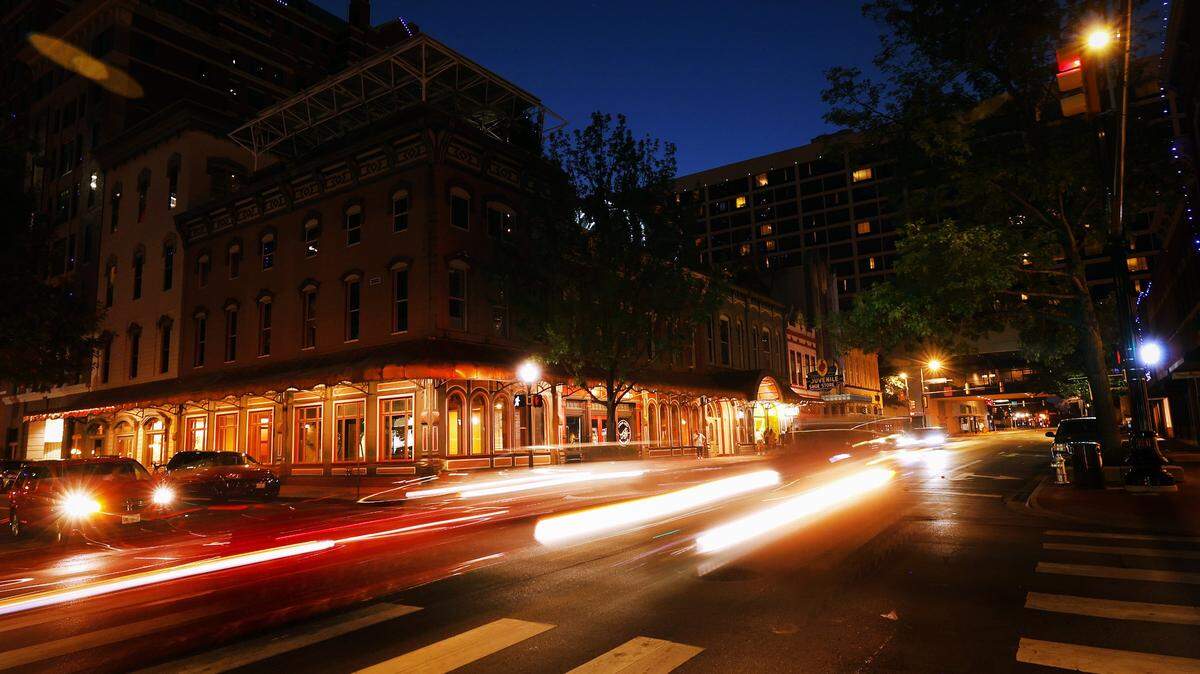
Downtown Fort Worth streets are canyons of brick and steel, where sound reverberates off buildings, often to the annoyance of those who call the area home. Could harsher punishments for people creating excessive noise be the key to ensuring more peace and quiet?
Downtown residents say the worst culprits are drivers playing loud music, revving their engines and driving vehicles with modified exhaust systems. A city ordinance prohibits drivers from causing nuisance noises, with fines as high as $500. Fines can also be much lower, though, depending on what the city’s municipal court sets them at.
At a downtown neighborhood alliance meeting in March, Andy Taft, the president of Downtown Fort Worth, Inc., said his organization had asked the court to levy more punitive fines when possible and not let people cited for noise violations off with warnings.
William Rumuly, director of the Fort Worth Municipal Court, wouldn’t say if that request is being honored. He issued a statement that said the municipal court is a “neutral forum” and that adjudication is determined based on the facts of each individual case.
Operation Pipe Down aimed at curbing noise in downtown Fort Worth
Downtown Fort Worth Inc., has taken aim at noisy vehicles with what it calls Operation Pipe Down, a joint effort with Fort Worth police and off-duty officers who help enforce the noise ordinance.
Matt Beard, a director with Downtown Fort Worth Inc., said more than 160 noise citations have been issued in downtown since August 2024.
According to decibel meters monitored by Downtown Fort Worth Inc., Friday nights from 9:30 to 10:30 p.m. is the noisiest time in downtown, with the highest number of incidents of excessive noise.
The city noise ordinance for downtown prohibits noise exceeding 80 decibels between 7 a.m. and 10 p.m. Between 10 p.m. and 7 a.m., the limit is 70 decibels.
A vacuum cleaner creates about 70 decibels of noise. An average lawn mower creates between 80 and 90 decibels. Noises louder than 85 decibels are considered harmful to humans.
Beard said the worry is that loud noises are making it hard for people to sleep — both at night and during the daytime. Beard pointed out that airline pilots, for instance, often stay in downtown hotels, and they could be sleeping at any time of the day depending on their flight schedules. If pilots don’t get the required rest, Beard said, it can cause flight delays, disrupting interstate and international travel and commerce.
The increased focus on noise ordinance enforcement has improved things to a certain degree, Beard said. Still, residents cited noise as an ongoing issue at the March neighborhood alliance meeting.
Beard hopes more awareness about the issue will help. That may be wishful thinking, though, if research is any indication.
In 2024, Julie Aitken Schermer, a psychology professor at the University of Western Ontario in Canada, published a paper that showed drivers who modified their exhaust systems to be louder were more likely to have psychopathic and sadist tendencies. The argument is these individuals enjoy making others miserable.
This story was originally published April 22, 2026 at 2:12 PM.