
What Fort Worth’s bond and charter amendments on the May 2 ballot actually mean
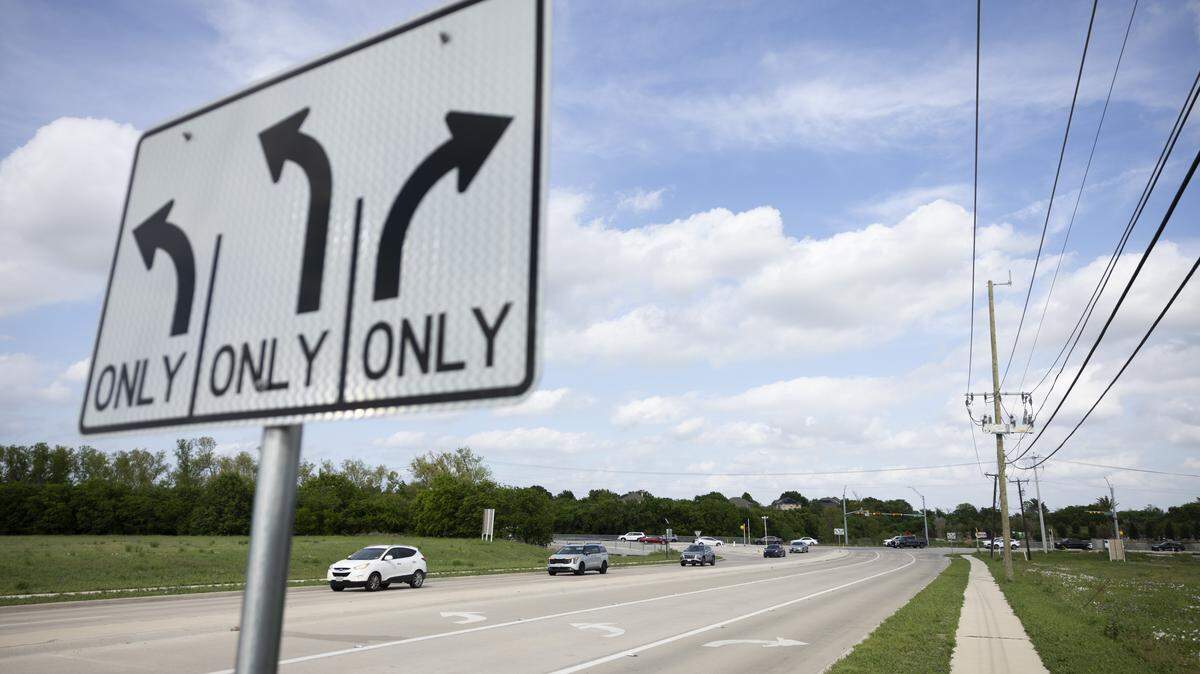
Fort Worth needs to borrow a lot of money to fix up roads, build parks, and construct an animal shelter.
The city is asking residents to approve a six-part bond package worth $845 million — the most in the city’s history. Fort Worth has $1.04 billion in outstanding debt as of Feb. 10, according to the city ordinance calling for the election.
The ask comes four years after the city asked residents for permission to borrow $560 million. That package included money for roads, fire houses and two new pools, including one in Forest Park.
In the 2026 package, the road improvement proposition alone is just over $511 million with the largest chunk going to expand arterial roads.
The 2026 bond comes with a quirk thanks to a 2025 state law mandating municipal bond elections include the all caps words “THIS IS A TAX INCREASE” on the ballot.
Fort Worth carves out a section of its tax rate to pay off its debts, and while it doesn’t anticipate raising that rate, taxes still could go up property values increase.
The city is also holding a charter election that would make technical changes to city operations as well as increasing mayor and City Council pay.
Voters in 2016 defeated by a 2 to 1 margin a measure that would have raised council member pay to $45,000 and mayoral pay to $60,000. In 2022, voters rejected a proposal to raise the mayor’s pay to $99,653, and council member pay to $76,727 by a 52.40% to 47.60% margin.
This time around, voters will decide whether to raise council member pay to $50,000 and mayoral pay to $60,000.
Here’s a look at each of the bond propositions and charter amendments voter will have to consider in the May 2 election. Early voting starts April 20.
Bond Measures
Proposition A | Streets and Mobility Infrastructure | $511,480,700
The ballot language: THIS IS A TAX INCREASE. The issuance of $511,480,700 of public securities for streets and mobility infrastructure improvements and the imposition of taxes sufficient to pay the principal and interest on the public securities.
The plain language: Fort Worth wants to borrow up to $511,480,700 to fix a bunch of major roads, repair some neighborhood streets, and make improvements to intersections and streets with new lighting and signs.
The context: The city asks for a version of this bond every four years. It will allow it to borrow the large sums of money needed for projects like expanding Bonds Ranch Road, and connecting East Bailey Boswell Road between Blue Mound Road and Horseman Road.
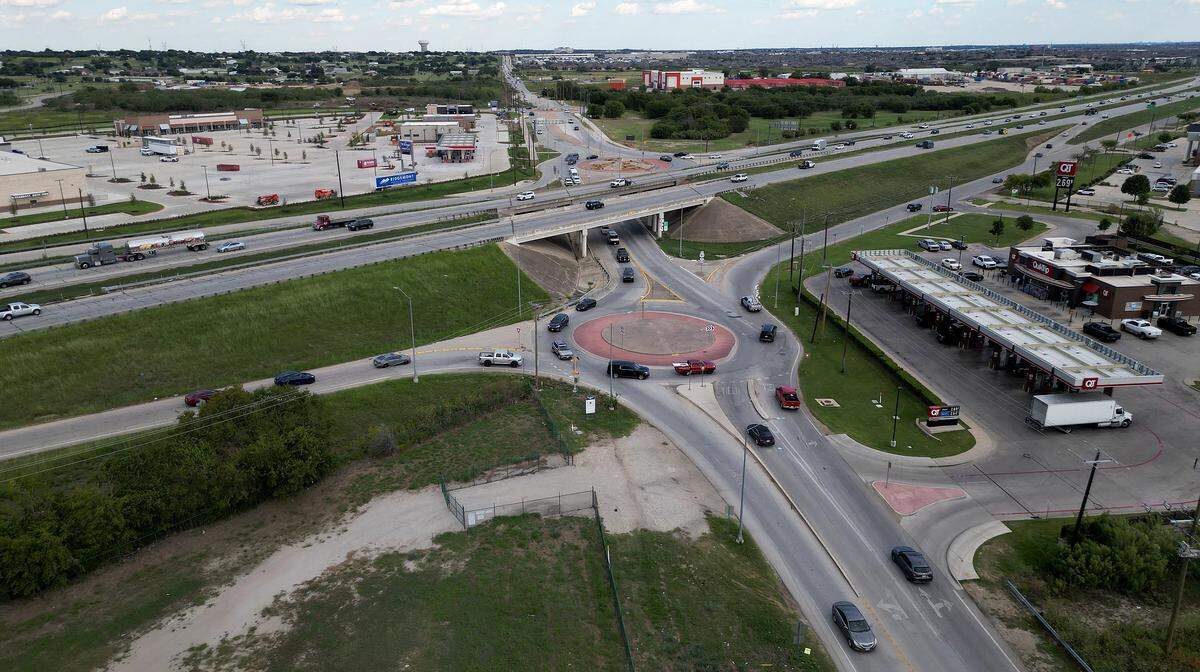
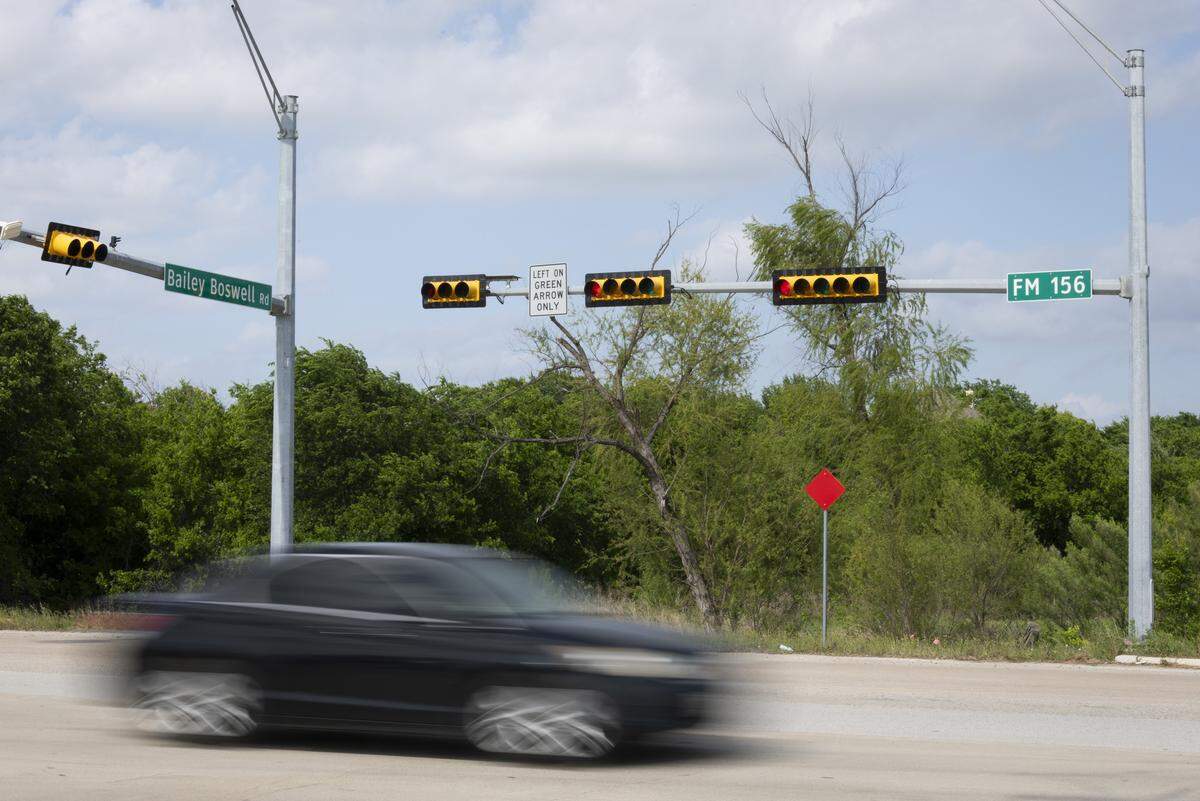
These are projects whose budgets are a little too big to fund out of the general fund, so the city needs to borrow money to pay for them.
Proposition B | Park, Recreation, and Open Space Acquisitions and Improvements | $185,140,000
The ballot language: THIS IS A TAX INCREASE. The issuance of $185,140,000 of public securities for park, recreation, and open space acquisitions and improvements and the imposition of taxes sufficient to pay the principal and interest on the public securities
The plain language: Fort Worth wants to borrow up to $185 million for park improvements and to buy up undeveloped land to preserve open space.
The context: The city wants to chip away at the $140 million Gateway Park Master Plan with $25 million in this year’s bond. The money will go toward new athletic fields, trails, and other amenities spelled out in the $170 million plan.
The second biggest chunk in Proposition B will go to community center construction including a $30 million rebuild of the Atatiana Carr-Jefferson at Hillside Community Center and a $5 million expansion of the Northpark YMCA.
Proposition B includes $25 million for open space acquisition, meaning the city will use the money to buy up undeveloped land to preserve Fort Worth’s natural landscape and potentially build new parks in the future.
Voters approved a standalone open space bond measure in 2022 that allocated $10 million to the effort.
Proposition C | Public Library Improvements | $14,586,000
The ballot language: THIS IS A TAX INCREASE. The issuance of $14,586,000 of public securities for public library improvements and the imposition of taxes sufficient to pay the principal and interest on the public securities
The plain language: Fort Worth wants to borrow up to $14.6 million to renovate two libraries and relocate the history center.
The context: When the city closed down the downtown central library, it needed a new home for the Fort Worth history center. It chose to move the history center to the Seminary South branch at 501 E. Bolt St, much to the chagrin of residents in the nearby Worth Heights neighborhood.
This bond would relocate the history center to the old city hall building at 200 Texas St., and would allocate funds to renovate the Diamond Hill Library and the Southwest Regional Library.
Proposition D | Affordable Housing | $10,000,000
The ballot language: THIS IS A TAX INCREASE. The issuance of $10,000,000 of public securities for affordable housing purposes and the imposition of taxes sufficient to pay the principal and interest on the public securities
The plain language: Fort Worth wants to borrow up to $10 million to support affordable housing projects.
The context: The city has known for almost three years that a family making Fort Worth’s median income cannot afford to buy a median priced home.
This money could help address that by leveraging the money from this bond to build new affordable housing both for rent and purchase.
This could come in the form of lowering the cost of development by building out water and sewer pipes, or using the money in combination with philanthropic organizations to support projects similar to the Fort Worth Community Land Trust.
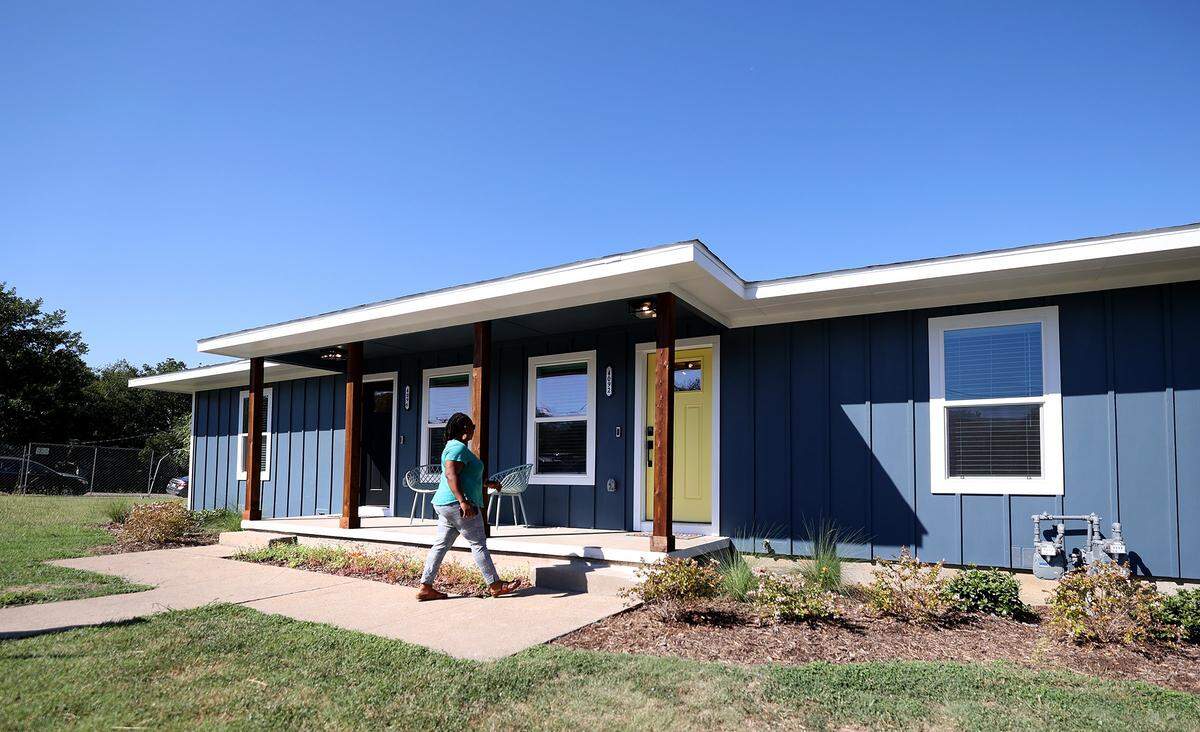
City leaders have acknowledged that $10 million is a drop in the bucket compared to the need for affordable housing, but have argued this money would be used in combination with private funds to address the need.
Proposition E | Public Safety Improvements | $63,919,300
The ballot language: THIS IS A TAX INCREASE. The issuance of $63,919,300 of public securities for police, fire, and emergency communications facilities and the imposition of taxes sufficient to pay the principal and interest on the public securities.
The plain language: Fort Worth wants to borrow up to $63.9 million to fix up police, fire and emergency communications facilities.
The context: The city wants to replace fire station 40 near Eagle Mountain Lake, and build a new fire station near Tarleton State University’s Fort Worth campus.
The city also wants to renovate its 911 Call Center to make it easier for dispatchers to work across police, fire and EMS.
Proposition F | Animal Care and Shelter Improvements | $59,874,000
The ballot language: THIS IS A TAX INCREASE. The issuance of $59,874,000 of public securities for animal care and shelter improvements and the imposition of taxes sufficient to pay the principal and interest on the public securities.
The plain language: Fort Worth wants to borrow up to $59,874,000 to build a new animal shelter.
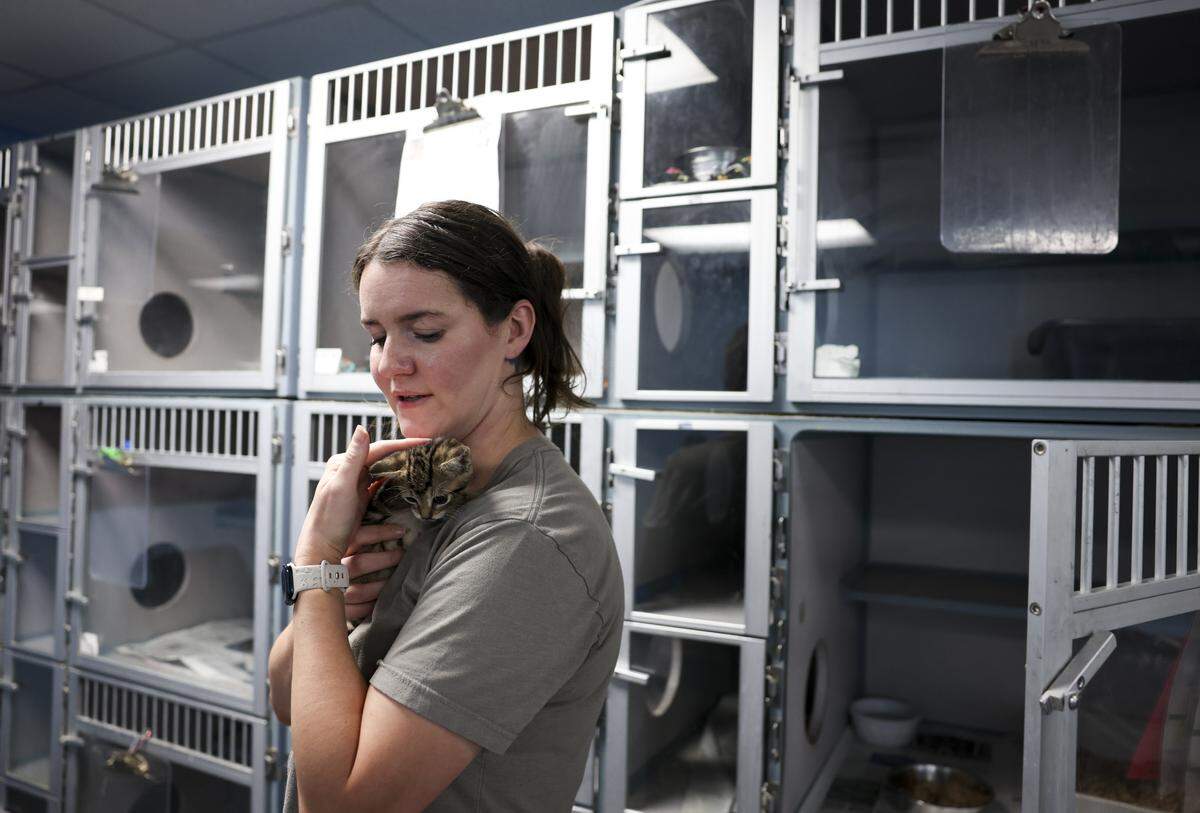
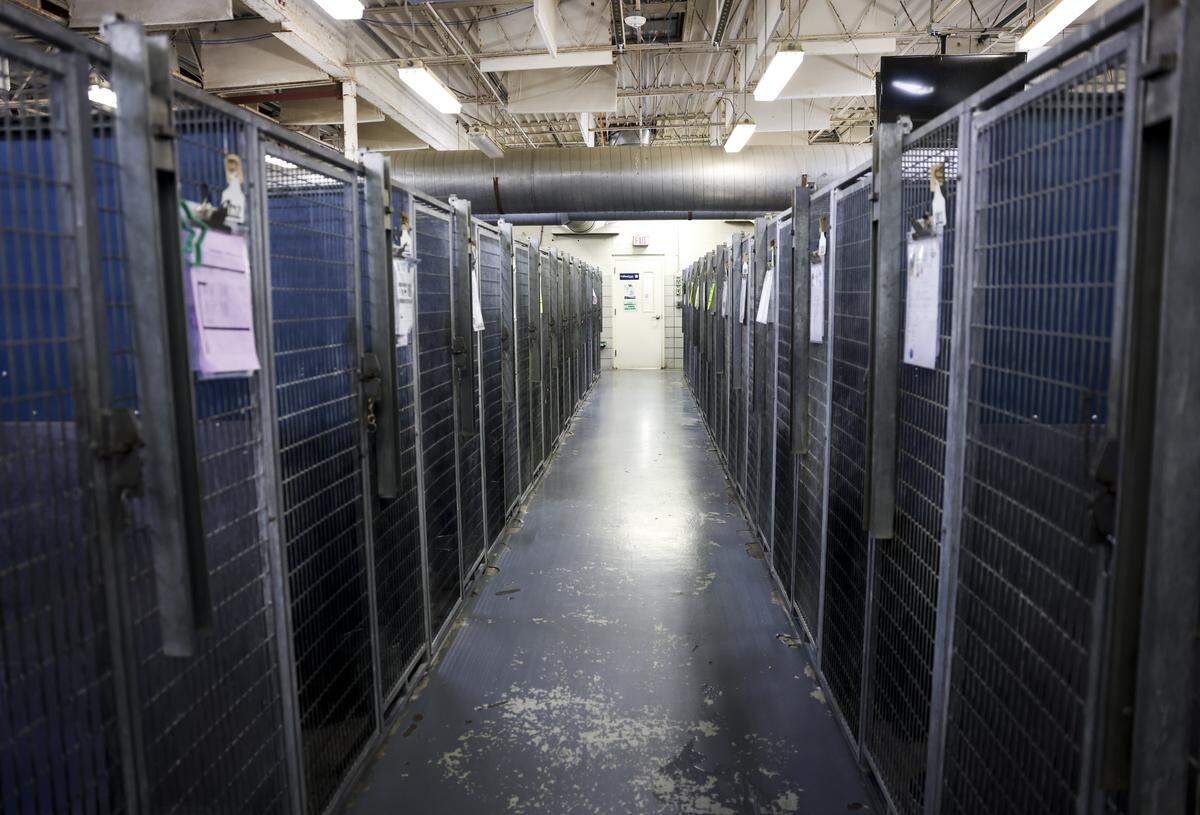
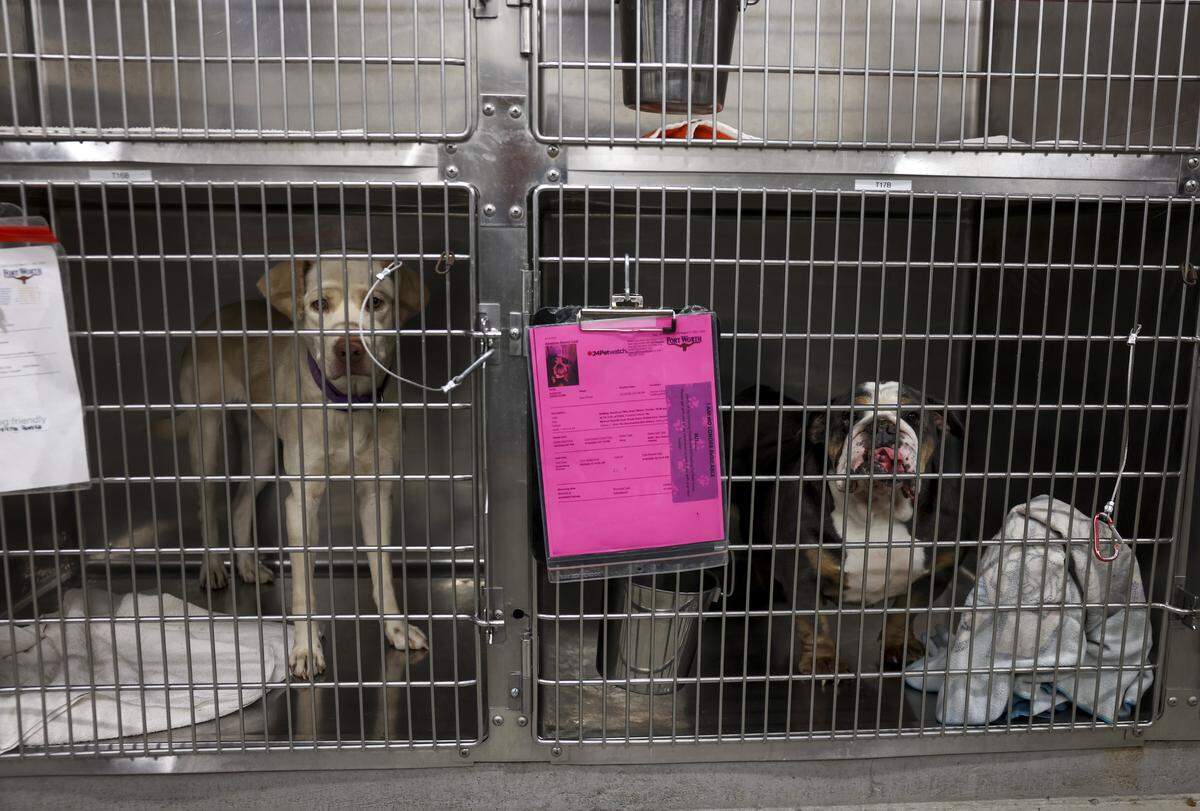
The context: The Chuck & Brenda Silcox Animal Care & Adoption Center is too old and too small for the city’s needs. It wants to build a brand new shelter with upgraded veterinary equipment, bigger kennels and a play yard.
Charter Amendments
Proposition G
The ballot language: Shall Section 3 of Chapter III of the Fort Worth City Charter be amended to provide that, effective October 1, 2026, the Mayor’s annual pay shall be sixty thousand dollars ($60,000) and that the other City Council Members’ annual pay shall be fifty thousand dollars ($50,000)?
The plain language: Should Fort Worth increase mayoral pay to $60,000 and council member pay to $50,000?
The context: This is the city’s third attempt in 10 years to raise mayor and council pay. The mayor makes $29,000 and the individual council members make $25,000 each. Proponents of the measure have argued it will allow people to serve in public office without having to take a financial hit to do so.
Proposition H
The ballot language: Shall Section 3 of Chapter V of the Fort Worth City Charter be revised to remove non-binding charge and hearing requirements that are inconsistent with the City Manager’s personnel responsibilities?
The plain language: Should the city charter be amended to remove the ability for city department heads to get a City Council hearing if they’ve been fired?
The context: Right now, if you’re the head of a city department and the city manager fires you, you have a right to a public hearing in front of the City Council. The council can’t give you your job back, so the hearings are kind of a moot point.
This amendment would remove that right.
Proposition I
The ballot language: Shall Section 1 of Chapter V, Section 4 of Chapter VI ,and Section 3 of Chapter XXVIII of the Fort Worth City Charter be revised to remove redundant charge and hearing requirements?
The plain language: Should the city charter be amended to remove the ability for positions hired directly by the City Council to get a City Council hearing if they’ve been fired?
The context: This is the same as Proposition H, but for positions hired directly by the City Council. Those positions are the city manager, city attorney, and city auditor.
Proposition J
The ballot language: Shall Section 2 of Chapter X of the Fort Worth City Charter be amended to allow for the budget to be adopted at the same meeting as a budget hearing as allowed under state law?
The plain language: Should the city charter be amended to allow the City Council to discuss and vote on the annual budget in the same meeting?
The context: Right now, the City Council is required to have one meeting to discuss the budget, and a second separate meeting to vote on the budget. This would eliminate that requirement, and allow the council to just have one meeting where it discusses and votes on the budget.
Proposition K
The ballot language: Shall Section 6 of Chapter XXVI of the Fort Worth City Charter be deleted, removing a requirement of public service corporations to submit an annual report to the city, since that information is readily available from the state and via the internet?
The plain language: Should the city charter be amended so that public service corporations, like utilities, don’t have to file reports with the city secretary’s office?
The context: Fort Worth used to have more regulatory authority of utilities like Atmos and Oncor, but the state has gradually chipped away at that authority putting regulation in the hands of state agencies.
Still, the city charter requires them to file annual reports with the city secretary’s office, which some do while others point to their online reports with the state agency that regulates them.
This amendment would remove the requirement these utilities file annual reports with the city.
Proposition L
The ballot language: Shall Section 4 of Chapter XXVI of the Fort Worth City Charter be amended to allow each grant of privilege for use of city streets to be approved without an ordinance being required?
The plain language: Should the city charter be amended so that companies looking to use city streets for business, like trash collectors, will no longer require a City Council vote to operate?
The context: If you’re a trash collector in Fort Worth, and you want to operate on city streets, the City Council needs to take a vote to let you do that.
This amendment would allow city staff to handle those applications administratively rather than requiring a council vote for each individual business.
Proposition M
The ballot language: Shall Section 1 of Chapter VIII of the Fort Worth City Charter be amended to allow greater flexibility in creating, abolishing, and reorganizing city departments by eliminating the requirement for ordinances to be adopted?
The plain language: Should the city charter be amended to allow the city manager to reorganize city departments in a way they see fit?
The context: Right now, if the city manager sees an inefficiency in the way city departments are organized and wants to make a change, there needs to be a City Council vote to approve the reorganization.
Fort Worth city manager Jay Chapa referenced the reorganization of the former City Services Department as an example in an April 9 meeting with the Star-Telegram editorial board.
That department had code compliance, trash collection, and public health all tied into one. Chapa explained former city manager Bob Terrell had to go through a complicated council process to break the department up.
This change would allow the city manager to make a similar reorganization without the requirement of a City Council vote.
Opponents have argued this change would have allowed Chapa to eliminate the diversity and inclusion department without a public debate.
However, Chapa noted the council still dictates policy and could create any new department at its discretion.
Proposition N
The ballot language: Shall Section 4 of Chapter III of the Fort Worth City Charter be amended to eliminate a conflict with state law in regard to the timelines of special elections to fill vacancies?
The plain language: Should the city charter be amended to bring the city’s election code in line with state requirements?
The context: Right now, the city charter is out of step with state law in terms of the dates required for calling special elections. This would eliminate that contradiction.
Proposition O
The ballot language: Shall Section 7 of Chapter X of the Fort Worth City Charter be amended to clarify that appropriately detailed documentation must support payment of a claim, regardless of whether that documentation is considered a “purchase order”?
The plain language: Should the city charter be amended clean up the language around the documentation needed to pay out claims against the city?
The context: Right now, any time the city needs to pay out a claim — like in the case of a settlement from a lawsuit — the charter requires the city to use a purchase order. This amendment would change the language to “appropriate written documentation.”
.jpg)