‘Unlocked Voices’ tells the oral histories of Fort Worth and Tarrant County Black icons

A documentary on Black icons in Fort Worth and Tarrant County will screen at the Modern Art Museum of Fort Worth on Feb 5.
“Unlocked Voices: Bridging the Future” was commissioned by the Fort Worth Tarrant County NAACP, directed by Robert Eric Wise and was released in October 2025. The documentary features eight trailblazers who have shaped the area’s history: Mattie Peterson Compton, the late Judge L. Clifford Davis, Opal Lee, Lorraine C. Miller, the Rev. Floyd Moody, Norma Roby, Judge Louis Sturns, and Estella Williams.
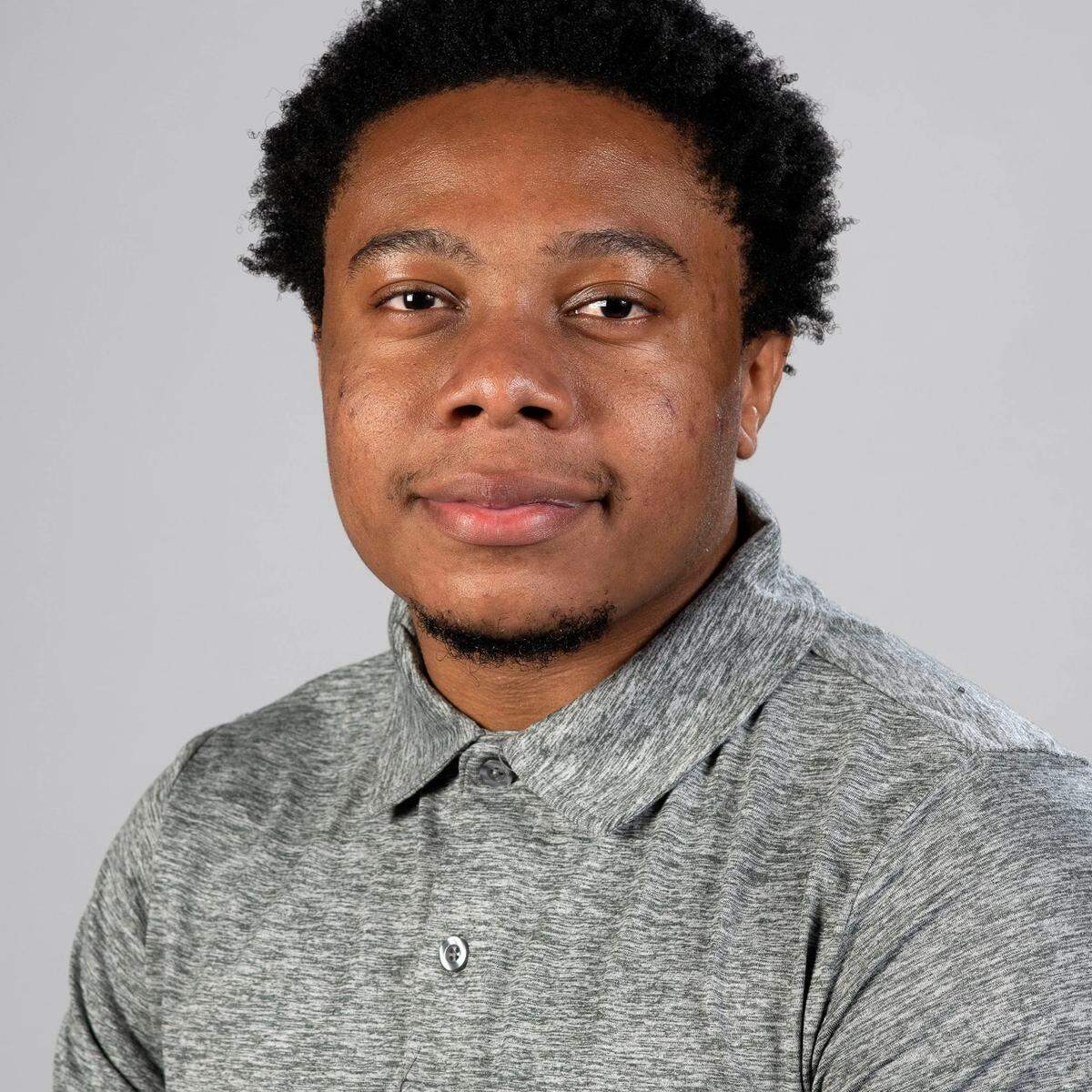
Wise, who grew up in Fort Worth, saw the documentary as an opportunity to preserve history and to help residents find inspiration from the impact these icons had on the area.
“It’s nice to see history stories, or iconic stories, about people in your neighborhood or in your city, and Fort Worth has so much history that’s pretty much untold history,” Wise said.
Admission is free, and registration is available on the Modern’s website. The screening begins at 6 p.m. and will take place in the Modern’s auditorium, 3200 Darnell St. Doors open at 5:45 p.m.
After the screening, a discussion moderated by former Star-Telegram columnist Bob Ray Sanders will feature panelists Wise, Compton, Moody, and Williams, president of the Fort Worth Tarrant County NAACP.
The film was a five-year project by the Fort Worth Tarrant County NAACP. Its goal was to document the oral histories of living legends who have brought about positive change in the world and to share their stories with future generations.
After shooting about nine hours of footage, they had to hire someone to help make it into a film. Wise had produced two shows, “Black Jesus,” a comedy that aired on Adult Swim and “Sunday Best,” a reality television singing competition. He also produced a documentary, “Behind the Boondocks: The Making of an American Classic,” about the adult animated sitcom “The Boondocks.” He was recommended and contacted to direct the documentary, and he accepted.
He knew of Opal Lee, Lorraine Miller and Norma Roby growing up in Fort Worth. When he learned about the other people featured in the film, he was struck by their stories. Judge Sturns was the first African American to serve on the Texas Court of Criminal Appeals, and Moody was a part of the “Mansfield 3” who attempted to integrate Mansfield High School in 1956.
While working on the film, he faced hurdles, including the passing of Davis and others being ill, which made it difficult to reshoot. Wise worked around it by improving the writing, calling those he could on the phone, and using more B-roll and photos to accompany each story.
Wise said there are more stories to be told about the contributions of Black, Latino, and Asian communities in Fort Worth and Tarrant County, and that he hopes those stories can be preserved for the future as well.
“I would love to see Fort Worth start renaming some of these streets after these Fort Worth heroes,” Wise said. “That would be amazing.”