These cultural projects will help tell Fort Worth’s story. Here’s their status
The next few years will see a variety of museums and centers open dedicated to Fort Worth’s history and culture.
The National Juneteenth Museum, the Fred Rouse Center for Arts and Community Healing and the African American Museum and Cultural Center have gained steam in the last few years.
Each has its own story about why it was started, when it will open and what it will provide.
African American Museum and Cultural Center
The African American Museum and Cultural Center mission is to preserve African American history and culture locally and beyond.
The Fort Worth African American Museum and Cultural Center informed the city in July that it had purchased two units of an existing building totaling 5,000 square feet, at 3100 and 3104 East Rosedale St. in Polytechnic Heights in east Fort Worth.
The museum’s steering committee selected the building after eliminating other sites under consideration, including those in the Cultural District and the Historic Southside, said John Barnett, a pediatric dentist and art collector. The committee found the building, which is across from Texas Wesleyan University and along a main thoroughfare on East Rosedale, to be an ideal location, said Barnett, co-chair of the organization’s steering committee.
Barnett said there is no timeline for the museum’s groundbreaking or completion, but the group is working as expeditiously as possible to deliver a high-quality, engaging museum.
On Jan. 13, the city approved redirecting $40,000 in previously allocated funds to support construction and building improvements for the Fort Worth African American Museum and Cultural Center.
Fred Rouse Center for Arts and Community Healing
Transform 1012 N. Main Street is a nonprofit coalition of organizations, such as DNAWORKS and SOL Ballet Folklorico, founded in 2019 with a mission to transform 1012 N. Main Street, formerly the Ku Klux Klan Klavern No. 101 Auditorium, into The Fred Rouse Center for Arts and Community Healing.
The building is named after Fred Rouse, a Black man who was lynched in 1921 in the city’s only documented lynching.
“The Center is designed to return resources and in programs and opportunities to those communities that were targeted for violence and economic exclusion by the Ku Klux Klan clan,” said Carlos Gonzalez-Jaime, executive director of Transform 1012. “ And those communities are the Black community, the Catholic community, the Hispanic community, the immigrant community, the Jewish community and the LGBTQ communities.”
The center will be a cultural hub of different organizations occupying the space and other developing ideas, such as a performance space, workshops on leadership for underrepresented communities and a tool lending library for community projects.
The design architects for The Fred Rouse Center for Arts and Community Healing will be led by the collaboration of three architecture firms: Studio Barnes, ch_studio, and GFFdesign.
The pre-construction phase, or selective demolition, began in August. Crews removed interior walls and other elements to prepare for construction. More than 200 tons of material have been removed for recycling.
The next step will be a structural assessment to ensure the walls are safe for construction. Then a concept design will be created and approved by the board, which be presented to the public around March or April. A schematic design will then be prepared and worked on throughout the year. Construction is projected in the second quarter of 2027 and will last about 18 months.
The projected cost of the project is $50 million. The center has raised $15 million. The center received $800,000 from the Andrew W. Mellon Foundation grant for the pre-construction phase.
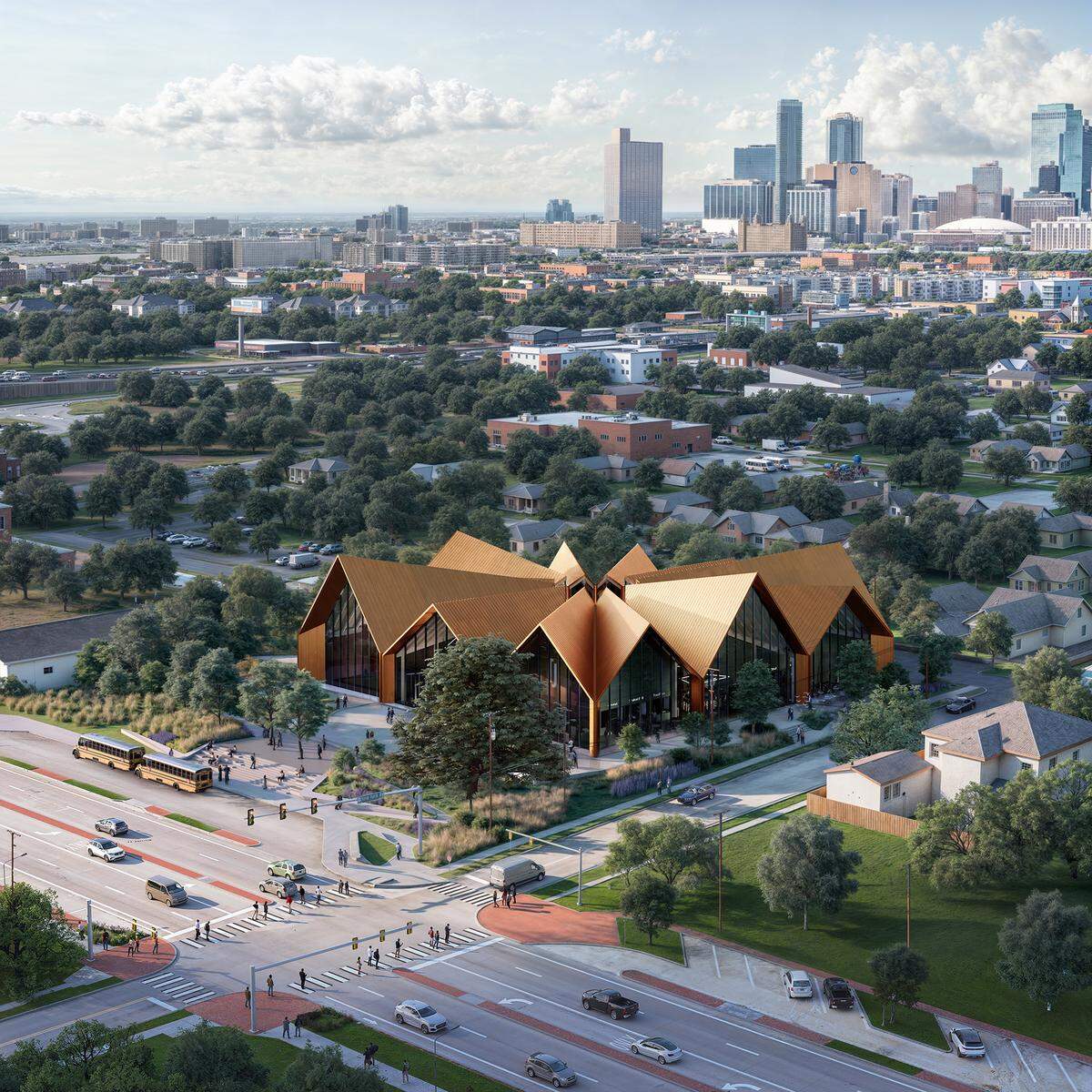
The National Juneteenth Museum
The National Juneteenth Museum tells the story of the national holiday and how it came to be. Opal Lee symbolically walked 1,400 miles from Fort Worth to Washington in 2016 to raise awareness of the importance of Juneteenth. In 2021, Lee, who lives in Fort Worth, was in attendance when President Joe Biden signed legislation to make Juneteenth a national holiday.
In February 2025, the city leased the Southside Community Center property — where the National Juneteenth Museum will be constructed — and relocated programs in the center to the Hazel Harvey Peace Center for Neighborhoods, at 818 Missouri Ave. These programs include Meals on Wheels, Best Years Club, and partner programs such as the Volunteer Income Tax Assistance program. All the programs and services will stay at the Southside Community Center until the museum breaks ground.
The museum has raised over $52 million toward its $70 million goal, according to Jarred Howard, CEO of the National Juneteenth Museum. They are working with the city for the demolition of the community center and plan to break ground this year.
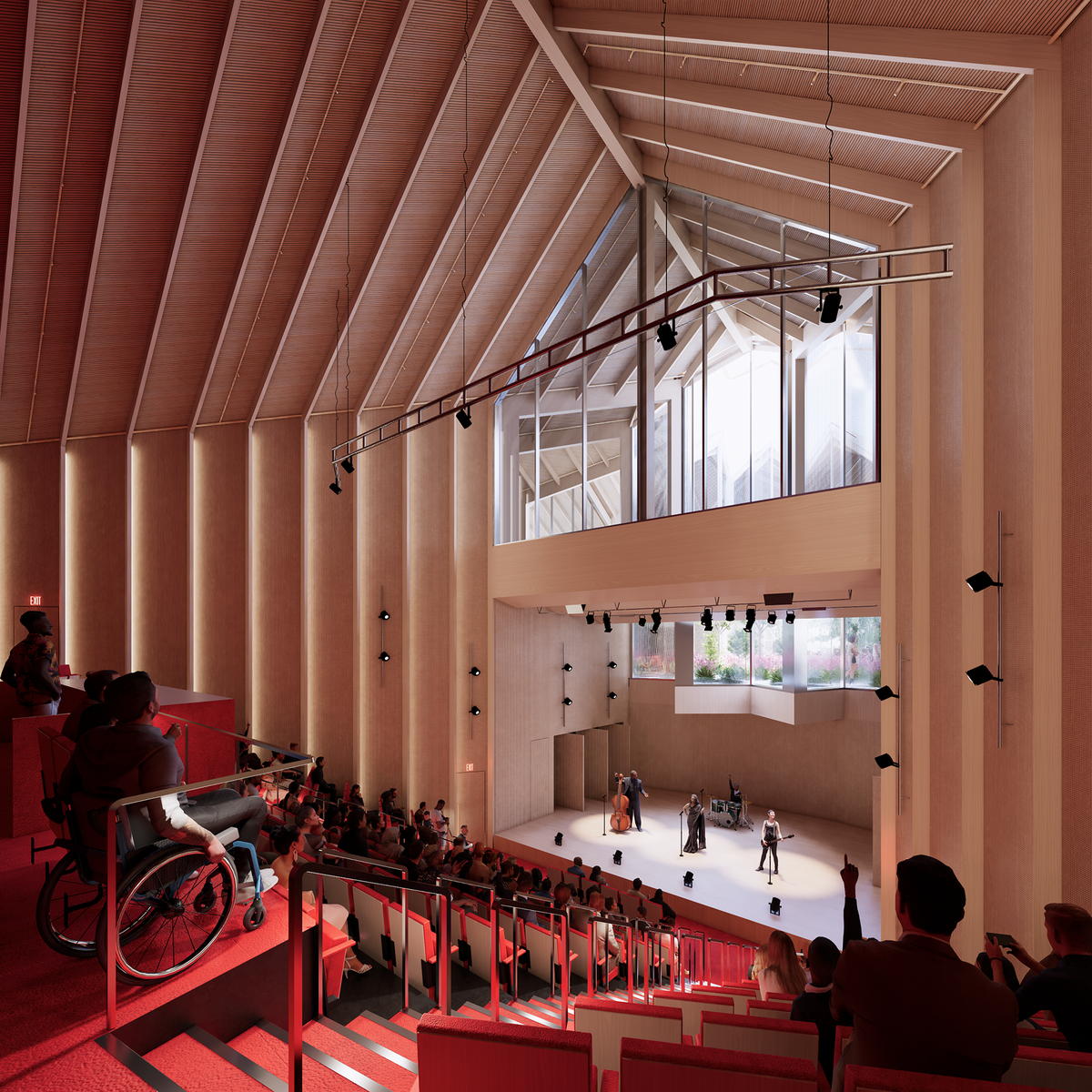
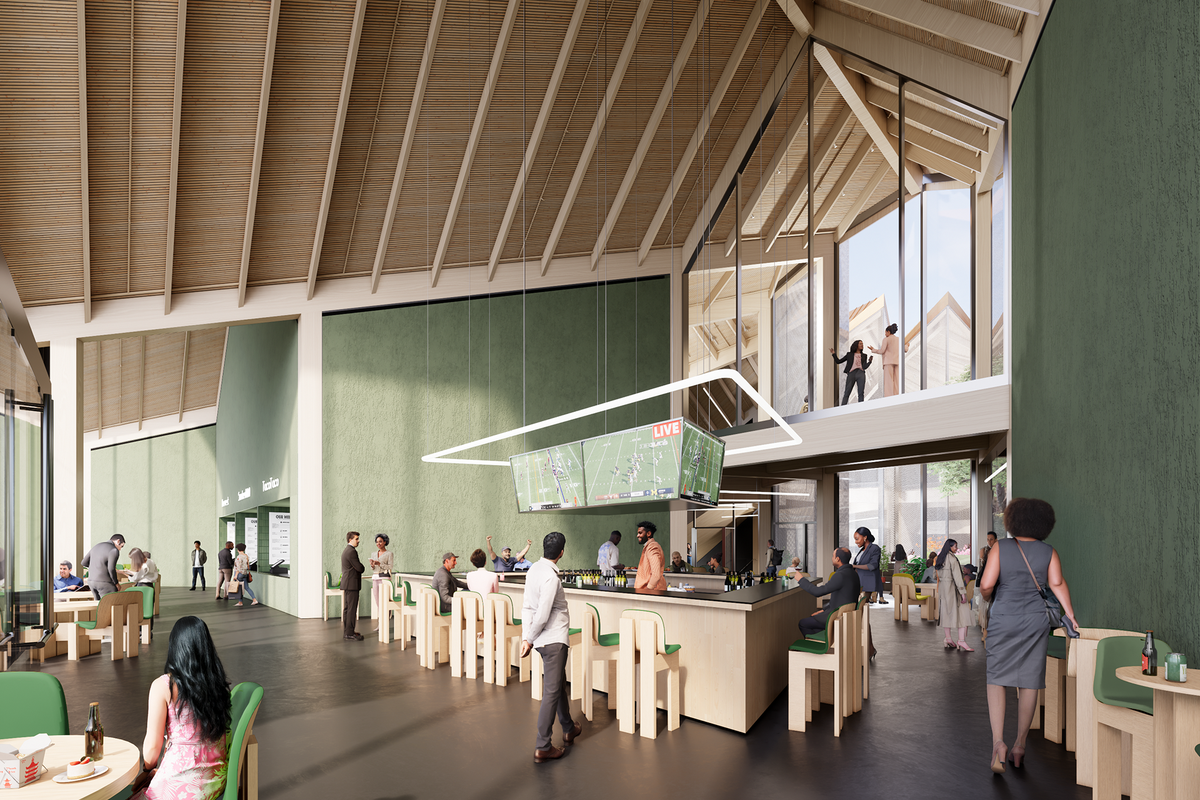
The 50,000-square-foot cultural hub will provide educational programs and is expected to serve as a catalyst for economic growth in the Historic Southside. It will have a 250-seat theater, a space for traveling exhibitions and functions, exhibition galleries, a food hall and a plaza.
The city will contribute up to $15 million to the museum and lease the land to the museum for 40 years, which is contingent on the museum breaking ground on or before Oct. 31, 2027.
The National Juneteenth Museum will host its second Freedom Vibes Juneteenth Festival from June 14-20. The celebration will feature nationally recognized artists, speakers and cultural programming honoring the legacy of Juneteenth. For more information go to freedomvibes.com.
This story was originally published January 30, 2026 at 10:55 AM.