
The Fort Worth Jewish community is part of the fabric of the Stock Show & Rodeo
The first Jewish Heritage Day at the Fort Worth Stock Show & Rodeo this Thursday, Feb. 5, celebrates an informal relationship that began in 1906 when the Council of Jewish Women sold home-cooked meals to visitors at livestock events.
With profits totaling $320, the ladies began a “temple sinking fund” that led to construction of a humble stucco-and-wood synagogue at Fifth and Taylor streets.
The “reciprocal” relationship between the small but vibrant Jewish community and the Stock Show continues, asserted Rabbi Andrew Bloom, who will deliver the invocation at the rodeo on Jewish Heritage Day. The rabbi, the only Jewish clergy ever tapped for the honor, also blessed the rodeo in 2015. His appearance led to creation of the Stock Show’s Faith Based Committee on which he serves.
“Everything in Fort Worth and the Bible Belt is based on relationships,” said Bloom, who has led Congregation Ahavath Sholom since 2011. “You make the first step, or you reciprocate. We are in the buckle of the Bible Belt. I believe the Jewish community is one of the buckle’s rhinestones.”
Among the Jewish gems in Stock Show history was Russian immigrant Abraham Luskey, a cobbler who made boots for the Czar’s army. In Fort Worth, he measured custom boots for rodeo cowboys. In 2018, the multigenerational Luskey family, which had operated multiple western wear stores and marketed a mail order catalogue, was inducted into the Texas Cowboy Hall of Fame, headquartered in Fort Worth. At the ceremony, Alan Luskey, who died the following year, told the audience, “We are proud of our legacy … promoting Western lifestyle, faith, and family.”
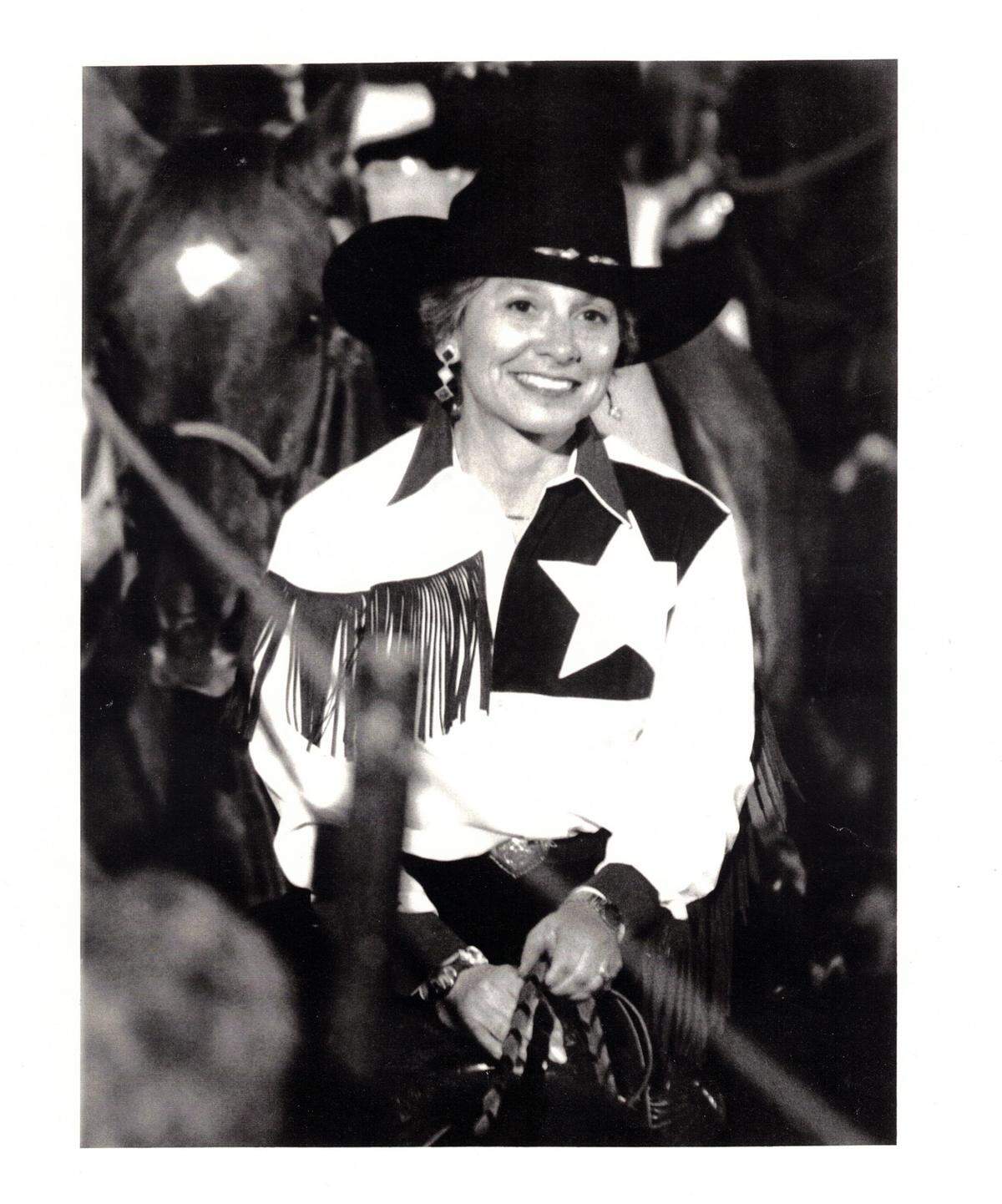
Another gem was Fort Worth native Frances Rosenthal Kallison, a horse whisperer born in 1908. She hopped on the ponies that hauled her father’s furniture wagons to Houston Street and raced down the city’s unpaved roads. She married a San Antonio rancher, died in 2004 and in 2016 became the first (and only) Jewish person in the National Cowgirl Museum & Hall of Fame in the city’s Cultural District.
Rodeo Shop moves to Fort Worth
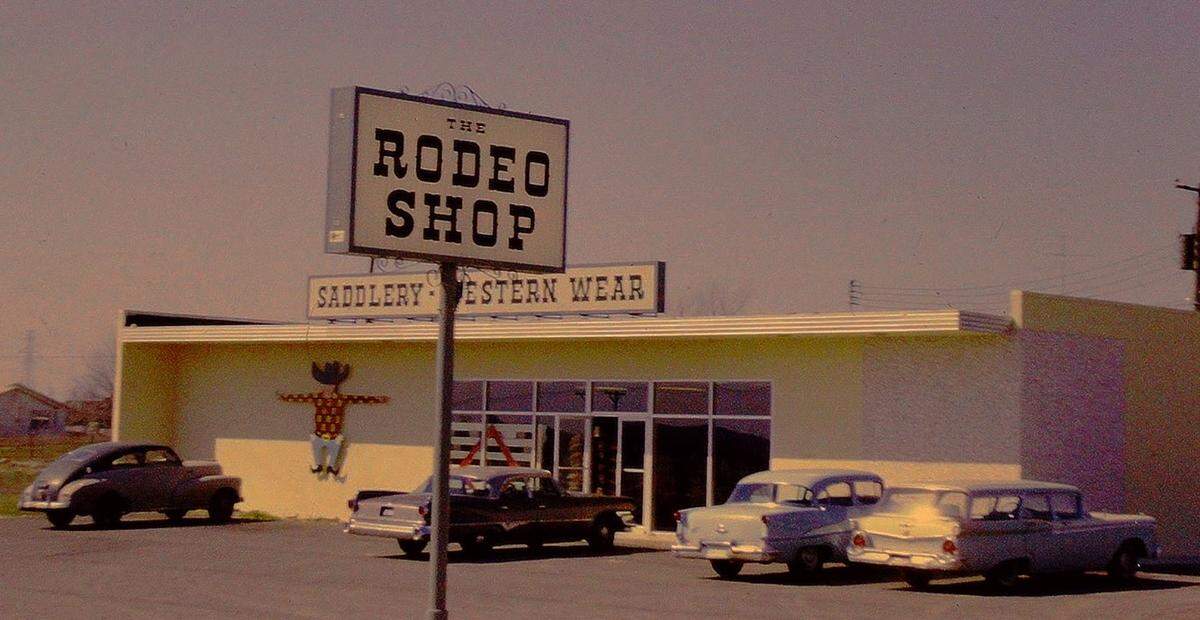
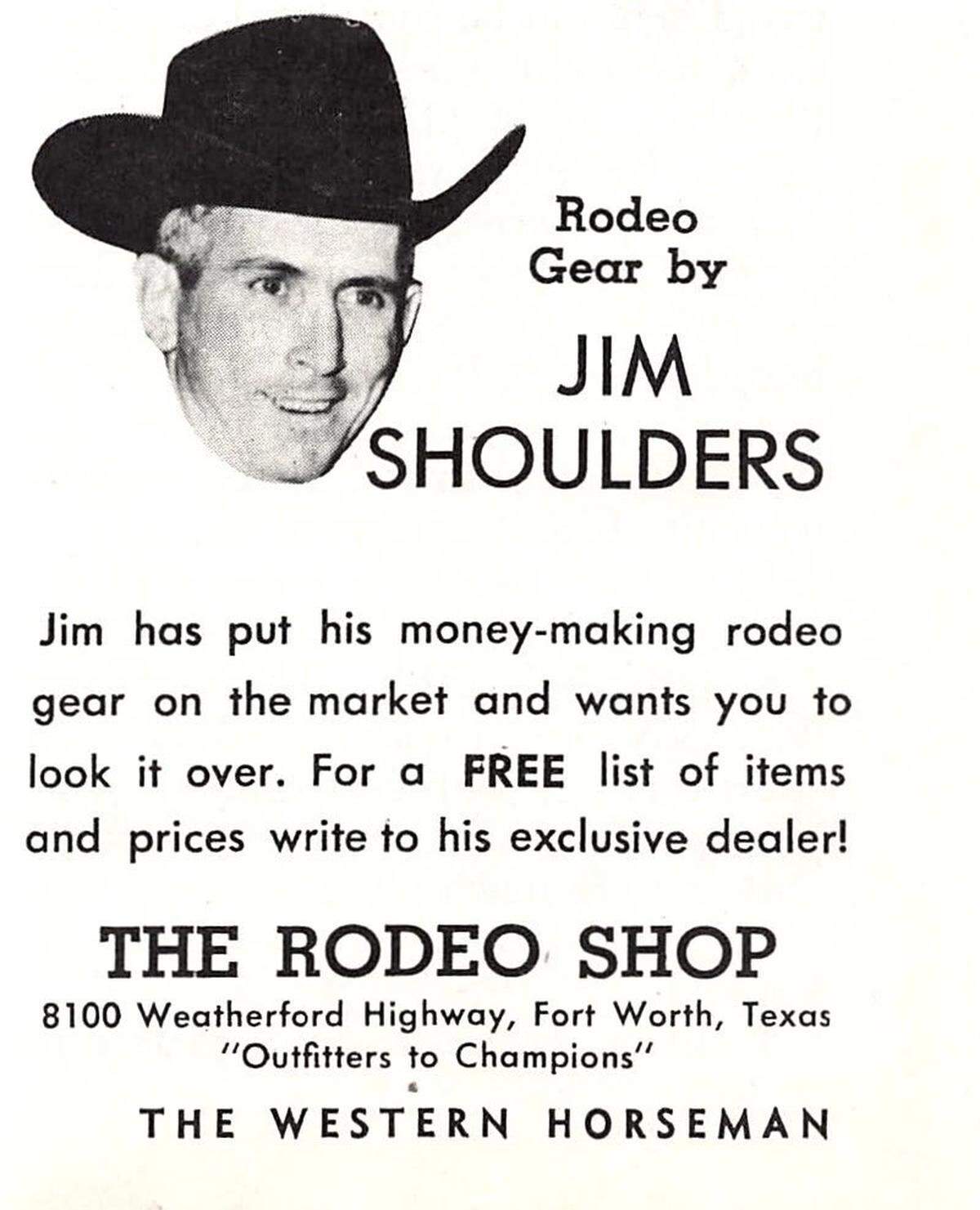
Edythe and Noel Cohen, a New Jersey couple, moved their Rodeo Shop to Fort Worth in 1964 at the urging of a famous customer — cowboy Jim Shoulders, who won 16 world championships. When the Rodeo Shop re-opened at 8100 Weatherford Highway (now Camp Bowie Boulevard West), it became the exclusive dealer for Jim Shoulders rodeo gear. The shop grew into the nation’s largest manufacturer of chaps, the leather leggings that protect a rider from brushy terrain.
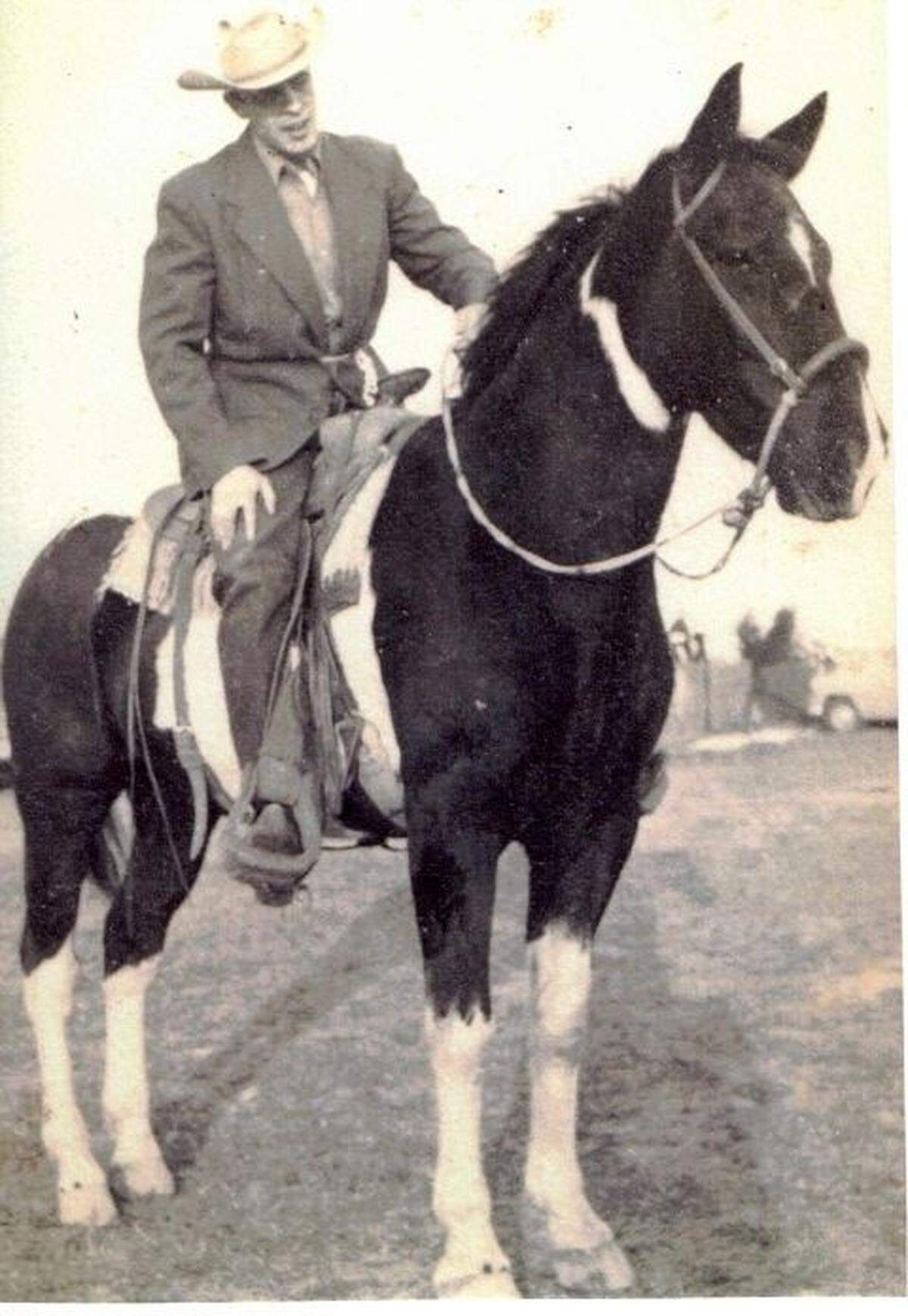
Edythe’s husband Noel designed hand-tooled saddles and won a trophy on the cutting horse circuit with a horse named Blue Hornet, although his favorite mount was named George.
The Cohens’ son Jim competed in bareback and saddle bronc on the rodeo team at Western Hills High. Edythe, a past president of the Western & English Manufacturers Association, created chaps with tradition and style.
“Because I designed the official Miss Rodeo America chaps,” she recalled recently, “I met Mary Kay Ash [the cosmetics entrepreneur].” At a pageant in Stephenville, Edythe measured the winner while Mary Kay supervised the rodeo queen’s makeup. “That was another universe,” said Edythe who, for her 98th birthday last month, asked guests to dress their Western best.
Reminiscing further, she added, “We became great friends with the Hochsters” — brothers Ernest and Martin whose Panhandle Slim line is a trendsetter. The German-born brothers left Deutschland in 1936. “Once Ernest told me that he and Martin were hiding in a ditch watching Nazi troops marching by, and they decided it was time to leave.”
The Hochsters began Westmoor Manufacturing in 1946. They were headquartered in Omaha in 1974 when Louis Luskey, a kindred spirit in Fort Worth’s western wear network, persuaded them to open a Cowtown branch. In 1976, Fort Worth became the company’s headquarters.
In Tarrant County, Martin Hochster (1920-1996) became a reserve deputy with the Sheriff’s Department, and the local Jewish War Veterans Post was named in his memory. Ernest Hochster (1922-2006) was inducted into the Western Image Hall of Fame. As Westmoor celebrates its eightieth anniversary, Ernest’s son Jeff Hochster is CEO; his grandson, Jamison, is president, and another grandson, Zachary, is executive vice president.
Meat packing industry and the stockyards
The Rosenthal family’s Standard Meat Co., a fourth-generation enterprise, located its corporate headquarters in the former Swift & Co. building, a National Historic Landmark built in 1902. The family business traces its beginnings to patriarch Ben H. Rosenthal, who moved from Chicago to Texas in the early 1930s. He rented a meat locker and a stall at the new Public Market, a landmark at 1400 Henderson St. renovated last year. In 1935, Ben named his company Standard Meat. By 1937, he was shipping products within a 100-mile radius and in 1940 overnight by train.
His son, Manny, added in-flight airline meals, and his grandson, Billy, followed with further innovations. Today Billy’s children, co-presidents Ben Rosenthal and Ashli Rosenthal Blumenfeld, manage a global supplier with nearly 1,000 employees. The company’s fifth meat-processing plant in a restored 1955 facility has brought beef back to the Stock Yards, which is largely a tourist destination.
Fort Worth’s original Swift and Armour meatpacking plants were under construction in 1902 when Sam Rosen, who emigrated from Lithuania, developed Rosen Heights, a neighborhood of single-family houses convenient for Stock Yard workers. Three North Side streets are named for his family: Ephriham Avenue, Gordon Avenue and Rosen Avenue. He is the namesake for Sam Rosen Elementary and, ironically, Rosen Heights Baptist Church. During the Great Depression, he never evicted a family delinquent on the mortgage. His proud grandson, attorney Sam Rosen, maintains the family archive.
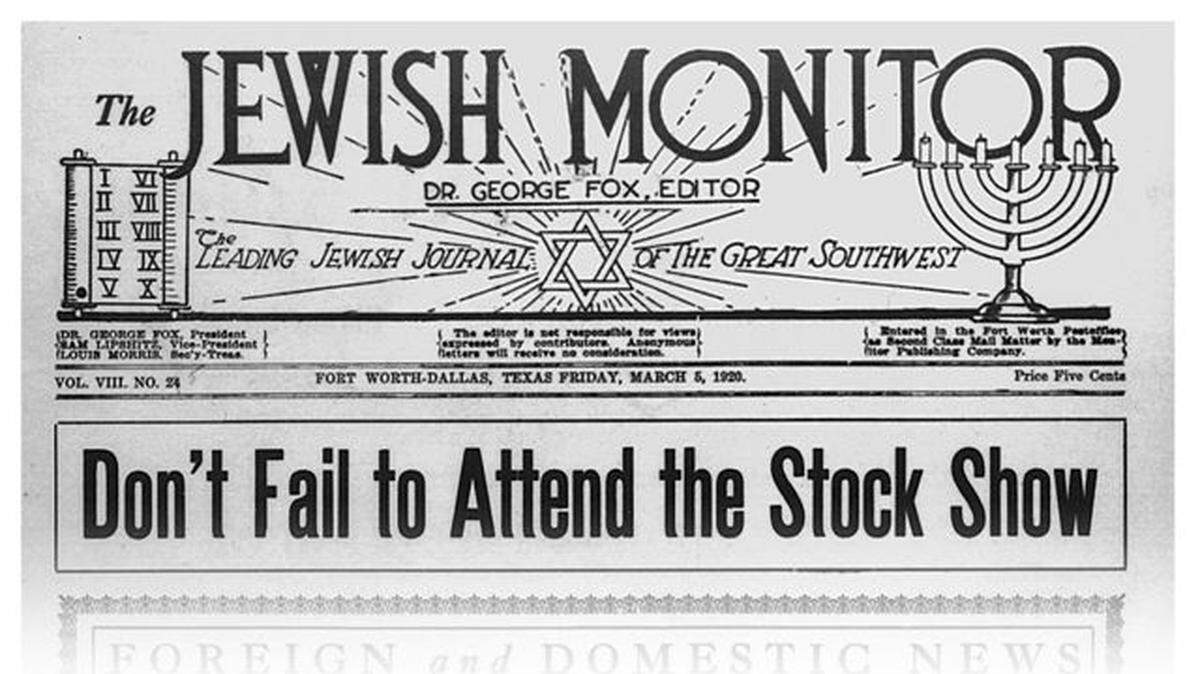
One more piece of archival evidence demonstrating the relationship between the Jewish community and the Stock Show is The Jewish Monitor, an early-20th century weekly. Beneath the tabloid’s lively mast head, with its menorah, six-pointed Star of David and Ten Commandments, a banner headline in 1920 exhorted readers: “Don’t Fail to Attend the Stock Show.”
Hollace Ava Weiner, director of the Fort Worth Jewish Archives, reported on the Stock Show for the Star-Telegram in the 1990s.
This story was originally published January 31, 2026 at 4:34 AM.