
How an oil mogul with modest beginnings left his mark on Fort Worth
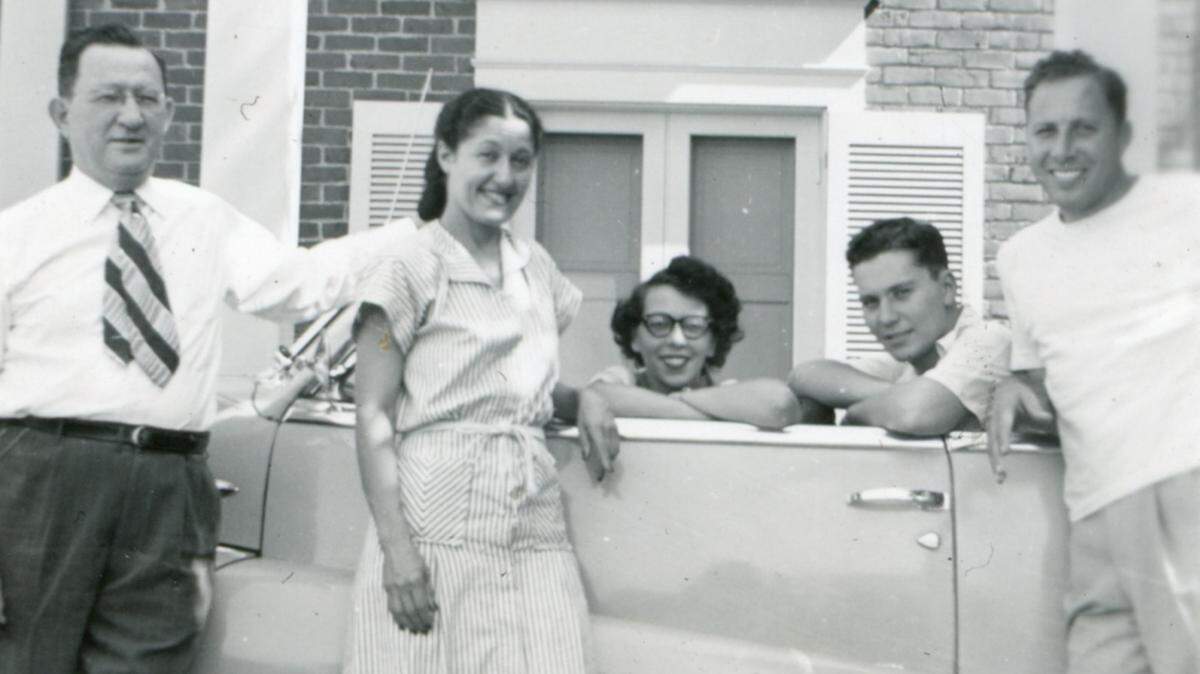
Texas oilman Solomon Brachman, a founding member of the Fort Worth Petroleum Club, entered the oil business in an unlikely place — Marietta, Ohio, a county seat near the confluence of Ohio, West Virginia and Pennsylvania. In that tri-state region, drillers at the turn of the 20th century produced several hundred barrels of shallow oil a day.
Sol, his two brothers, two sisters and their widowed father, Marcus Brachman, were among several Jewish families who fled Jakobstadt, Latvia, in 1905 and followed one another from the Russian Empire to southeastern Ohio.
In Marietta, with meager funds, Marcus Brachman started a junkyard. No investment was needed, only a hand-pulled wagon or a rusty wheelbarrow pushed by a young man with muscled arms. Soon, he invested in a horse and wagon, then a fenced-in yard behind his dilapidated home to store scrap metal, rigging ropes and abandoned materials to clean, repair, and resell to drillers.
When Marcus Brachman died in 1911 at age 50, his five children — Dora, 24; Elias, 20; Sol, 15; Abraham, 11, and Lillian, 8 — inherited a thriving junk yard. The eldest son, Elias, teamed up with his sister Dora’s husband, Louie Ginsburg, 28. The brothers-in-law streamlined the family business and turned a door-to-door junk-peddling operation into a wholesale oil-well supply business.
In 1913 they bought Producers Supply & Tool Co. from two distant relatives. The purchase was a shrewd move. It had more to do with corporate paperwork than physical assets.
The Brachmans adopted the name Producers Supply & Tool Co. because it had an excellent credit rating.
When the next sibling, Sol, graduated from Marietta College as valedictorian in 1918, he became a partner in the family business. Besides being strong academically, he was an industrious lad who as a teen had sold popcorn at sandlot ballgames and tabulated the profits in his head.
Burkburnett oil field sparks interest in Texas
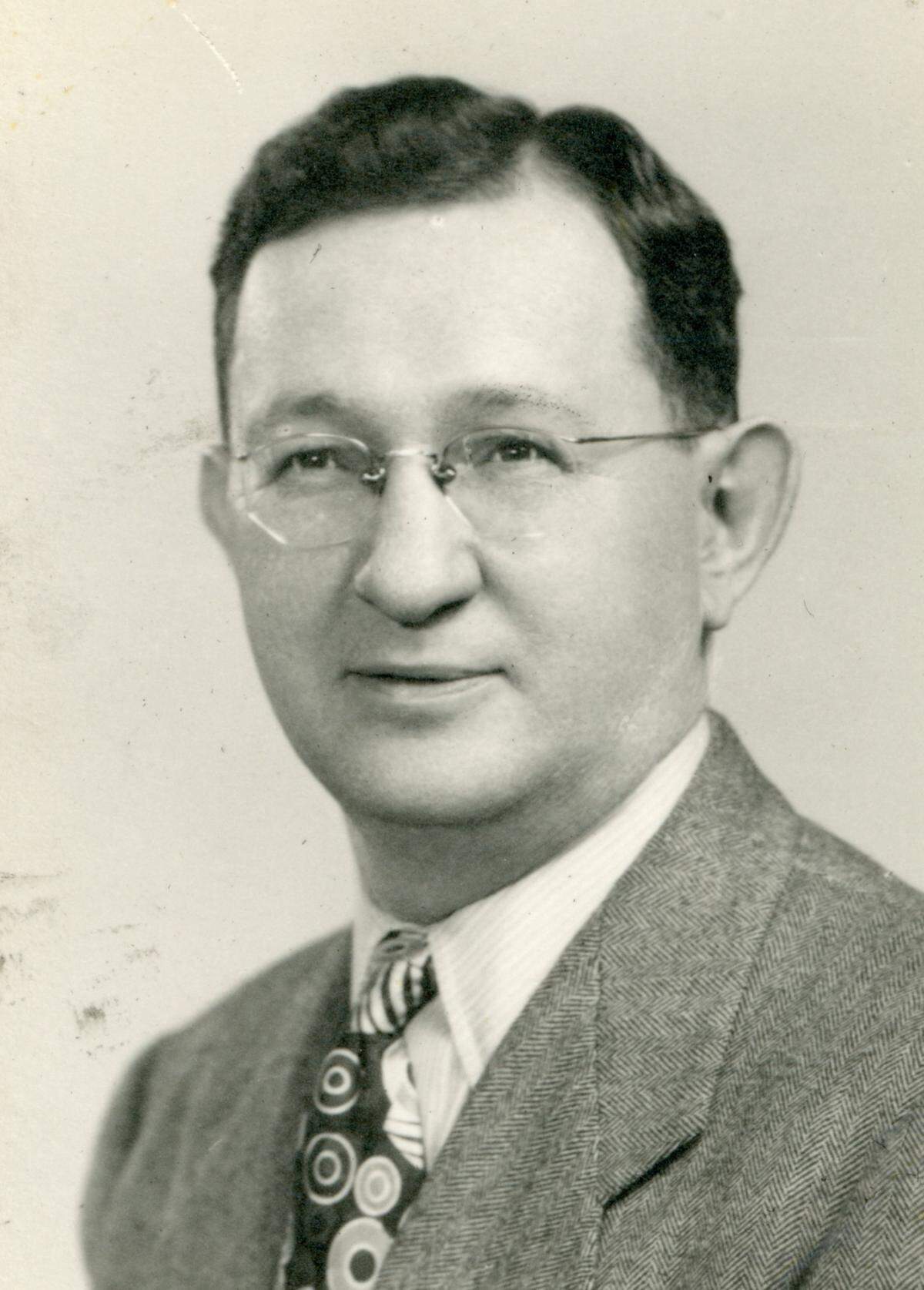
One month after Sol’s college graduation, word reached Marietta that the Burkburnett field on a Red River farm in North Texas was producing 7,500 barrels of oil a day — 75 times more than the shallow oilfields of Ohio. With news of the boom, Sol made his way to Fort Worth, a cattle town transitioning into an oil-boom hub. He received immediate entrée to social circles by virtue of the oil “bidness.” Prospectors sinking wells met in hotel lobbies for lunch then adjourned to hotel suites to spread out geological maps and talk about mineral rights and royalties.
Sol was looking for oil, not love, in 1920 when he met Etta Louise Katzenstein, a petite Southern belle from Arkansas. An accomplished pianist, feisty Etta was in Fort Worth visiting her Uncle Dave and Aunt Carie Katzenstein Gilbert. The attraction between Sol and Etta was magnetic. Both loved to dance, which they did at their wedding under the chuppa — a traditional Jewish wedding canopy — in Marianna, Arkansas, on Oct. 31, 1921.
For the rest of Sol’s life, he was fond of saying, with a twinkle in his eye, “I came from Marietta to Marianna to marry Etta.”
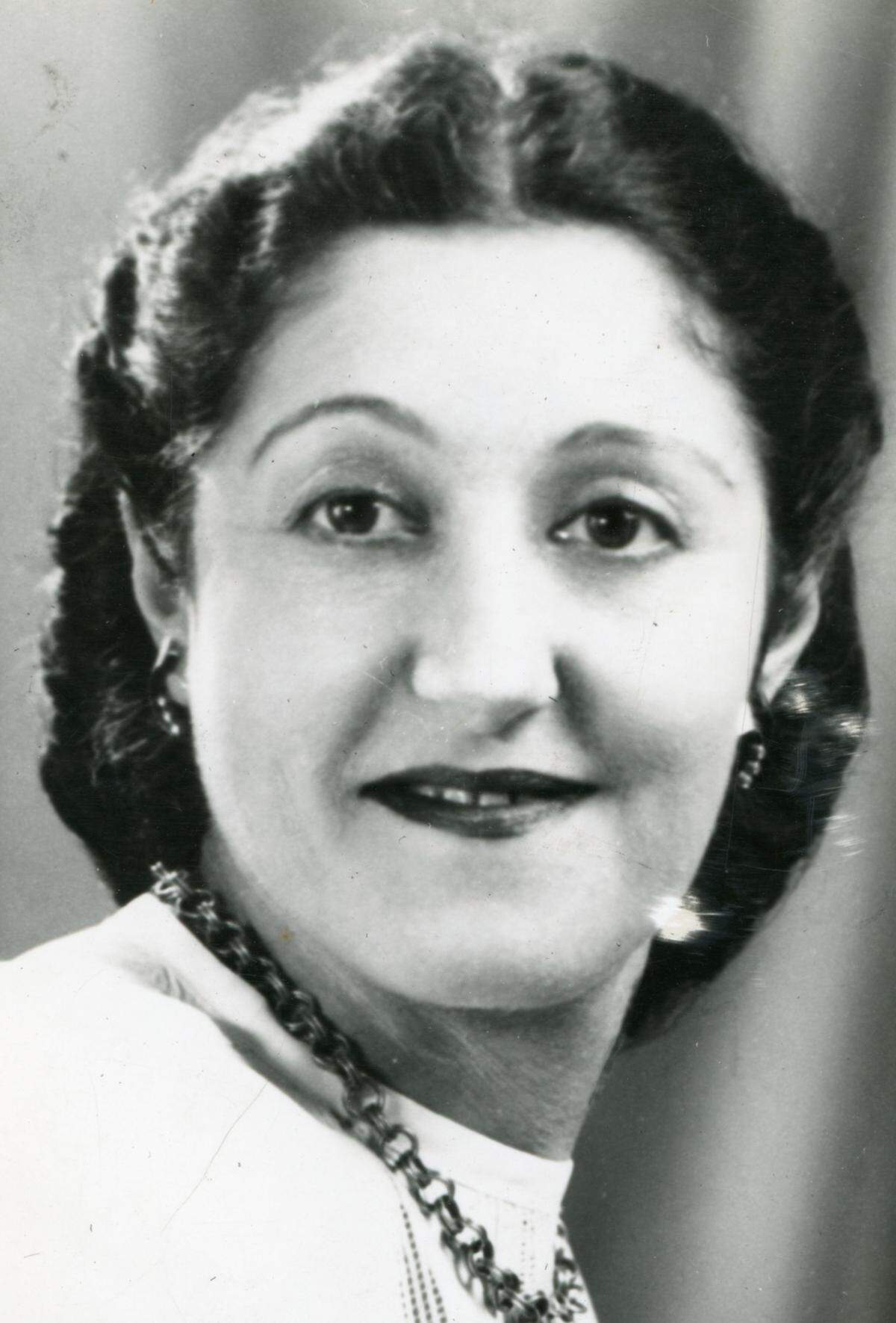
When the stock market crashed in 1929, Sol was on firmer ground than his wildcatting friends Sid Richardson and Clint Murchison Sr. At high credit rates, he loaned equipment to Murchison, whose son founded the Dallas Cowboys football team. Whenever Clint hit black gold, he didn’t care how high a percentage of royalties or drilling rights he owed his friend Sol.
According to Murchison’s 1986 biography, “CLINT,” written by his longtime office manager Ernestine Orrick Van Buren, Brachman and Murchison became lifelong cronies.
The oil business was so lucrative that Sol’s Ohio brothers, sisters and families gradually moved to Texas. Producers Supply opened branch offices in Dallas, Houston, Corpus Christi, Graham, Kamay, Odessa, Olney, Palestine and Tyler. In Wichita Falls, Lillian’s husband, Sidney Raimey, became office manager.
Another Brachman brother, Abraham Joshua (A.J.) Brachman, who later became a rabbi, worked closely with Sol. He traveled to oil-producing properties around Texas and back and forth to Marietta. He persuaded his fiancée Sarah Ruby to move from Marietta to Cowtown.
Sarah, a talented soprano and a spectacular cook who grew spices in her garden, was a homemaker extraordinaire. She was among the core group that worked with the Woman’s Board of Fort Worth Children’s Hospital to organize the Jewel Charity Ball. Since 1953, the gala has raised more than $85 million for Cook Children’s Medical Center.
Louie and Dora Ginsburg made their way to Fort Worth in retirement. When their youngest son Marcus graduated from Harvard Law in 1939, Uncle Sol hired him as his right-hand man and personal attorney. Marcus had not specialized in oil-and-gas law, yet his uncle was confident of the young man’s ability and integrity. He escorted his nephew around the state to meet key people in petroleum circles who addressed the oilman as “Mister Sol.”
Colonial Country Club charter member
Sol inspired respect and loyalty. Although employees described him as tough, they remained on his payroll for decades. His commitments were long term.
His immediate family — including his wife Etta, son Malcolm, daughter Marilyn and mother-in-law Gussie Katzenstein — lived in a red-brick Georgian house across the street from the back nine at Colonial Country Club, where Sol was a charter member. He also served on the country club’s board.
In 1950, when Sol was in line to become president of Temple Beth-El, his synagogue, Texas Christian University appointed him to its Board of Trustees, an unusual position for a Jewish person.
He remained on TCU’s board until his death in 1974, chaired TCU’s Investment Committee, and received an honorary Doctor of Laws in 1968. He successfully pushed for creation of a living-and-learning residence hall that had its own library, guest speakers, international students and college-credit courses. In 2020, a 300-seat auditorium at the student union was named for Solomon and Etta Brachman, whom TCU applauded for their philanthropy, civic and business leadership and interreligious ties.
Hollace Ava Weiner, director of the Fort Worth Jewish Archives, was a fulltime reporter at the Star-Telegram from 1986 to 1997.
This story was originally published August 16, 2025 at 4:55 AM.
CORRECTION: t
The Woman’s Board of Fort Worth Children’s Hospital organized the Jewel Charity Ball. An earlier version of this story contained incorrect information.